Understanding Why Your Dog Eats Poop: A Guide for Pet Owners
As a dedicated dog owner or an enthusiastic pet lover, understanding the peculiar behavior of canine coprophagia—more commonly known as dog poop eating—can be both perplexing and concerning. This behavior, while unsettling, is not uncommon and can stem from a variety of factors including nutritional deficiencies, behavioral issues, or simply curiosity. By gaining insight into why dogs eat poop, you can address this behavior effectively and ensure the health and happiness of your furry friend. In this guide, we’ll delve into the reasons behind this behavior, provide practical pet health tips, and explore how understanding dog behavior can lead to a more harmonious relationship with your pet. Get ready to empower yourself with the knowledge you need to confidently tackle this aspect of dog ownership.

Exploring Canine Coprophagia
Understanding the reasons behind canine coprophagia, or dog poop eating, is essential for addressing this behavior. This section explores the common motivations that drive dogs to engage in this habit.
Common Reasons for Poop Eating
Dogs may eat poop for various reasons, ranging from simple curiosity to more complex behavioral or dietary issues. Puppies often explore the world with their mouths, leading to occasional poop eating out of sheer interest. Adult dogs, on the other hand, might resort to this behavior due to hunger, nutritional deficiencies, or anxiety.
In some cases, dogs mimic their mother’s behavior. When mothers clean their puppies, they eat feces to maintain a clean environment. This instinctual behavior can sometimes persist into adulthood.
Additionally, stress or boredom can lead dogs to seek out novel experiences, including coprophagia. Understanding these motivations can help pet owners identify the underlying causes and provide appropriate interventions. For a deeper exploration of this topic, visit Dogsthat.
Natural Instincts and Ancestral Behavior
Natural instincts and ancestral behavior may drive a dog’s poop eating habits. Wild ancestors of dogs, such as wolves, often consumed feces to deter predators from following their pack. This behavior could be linked to survival instincts that have persisted in domestic dogs.
In multi-dog households, some dogs may engage in coprophagia to assert dominance or due to competitive food access. Understanding these dynamics can provide insight into a dog’s behavior and inform interventions.
Exploring ancestral behaviors provides a context for why some dogs might engage in coprophagia and how to mitigate it. For more insights, refer to VCA Hospitals.
Dietary and Nutritional Factors
Dietary and nutritional factors can play a significant role in a dog’s tendency to eat poop. Nutritional deficiencies, particularly a lack of essential vitamins and minerals, can drive this behavior as dogs seek alternative nutrient sources.
Dogs with inadequate dietary fiber might also consume feces to supplement their intake and improve digestion. Ensuring a balanced diet, rich in necessary nutrients, can significantly reduce instances of coprophagia.
To mitigate these issues, pet owners should consult with veterinarians to ensure their dog’s diet meets all nutritional requirements. More on this can be found at Crossroads Animal Hospital.
Addressing Dog Poop Eating
Addressing the behavior of dog poop eating requires a multi-faceted approach. This section covers behavioral strategies, dietary adjustments, and veterinary advice to help manage and reduce this behavior effectively.
Training and Behavioral Strategies
Training and behavioral strategies are vital in addressing dog poop eating. Consistent training methods can correct this behavior and instill better habits.
-
Positive Reinforcement: Reward your dog when it avoids feces, using treats or praise.
-
Commands and Distractions: Teach commands like “leave it” to prevent poop eating. Distract with toys or activities.
-
Supervised Outdoor Time: Monitor your dog during walks to intervene if it approaches feces.
Consistency and patience are key. Over time, dogs can unlearn this habit, leading to a healthier lifestyle. Discover more strategies at Veterinary Partner.
Dietary Adjustments and Supplements
Dietary adjustments and supplements can significantly impact a dog’s tendency to eat poop. High-quality dog food that meets all nutritional needs is crucial. Supplements may help address specific deficiencies.
-
Fiber Supplements: Improve digestion and reduce fecal interest.
-
Enzyme Supplements: Aid in nutrient absorption, decreasing the desire to seek additional sources.
-
Probiotics: Enhance gut health, potentially reducing coprophagia.
Consult with a vet to determine which adjustments or supplements are suitable for your dog. For more advice, explore Dogsthat.
Veterinary Advice and Solutions
Veterinary advice and solutions are indispensable when dealing with coprophagia. A vet can provide comprehensive assessments to rule out underlying health issues that may contribute to poop eating.
-
Parasite Checks: Ensure your dog is free from intestinal parasites that might cause nutrient deficiencies.
-
Health Evaluations: Identify gastrointestinal issues or illnesses that could influence behavior.
-
Tailored Advice: Based on individual assessments, vets can recommend specific interventions.
Regular vet visits ensure your dog’s health is monitored, providing peace of mind and targeted solutions. Learn more from the VCA Hospitals.
Understanding Dog Behavior
Understanding the broader context of dog behavior can provide insights into why dogs eat poop. This section examines psychological triggers, social influences, and breed-specific tendencies that may contribute to this behavior.
Psychological Triggers and Stress
Psychological triggers and stress can lead to coprophagia in dogs. Stressful environments or life changes may heighten anxiety levels, prompting dogs to engage in this behavior.
Dogs with separation anxiety might eat poop as a comfort mechanism during their owner’s absence. Identifying stressors and implementing calming strategies can alleviate these issues.
Behavioral modification techniques like creating a stable routine and providing mental stimulation can help reduce stress-related coprophagia. For further understanding, see Crossroads Animal Hospital.
Social and Environmental Influences
Social and environmental influences contribute significantly to a dog’s behavior. Dogs often mirror behaviors seen in other dogs, including poop eating. This imitation can occur in multi-dog households or social settings.
Environmental factors, like lack of stimulation or inadequate exercise, may also lead dogs to eat poop out of boredom. Providing engaging environments with toys and activities can minimize these behaviors.
Understanding the social dynamics in which your dog operates can inform effective interventions, reducing instances of coprophagia. Visit Veterinary Partner for more insights.
Breed-Specific Tendencies
Breed-specific tendencies can influence the likelihood of coprophagia. Some breeds have higher energy levels or specific dietary needs, making them more prone to this behavior.
Working breeds, for instance, may require more mental and physical stimulation to deter boredom-induced coprophagia. Tailoring interventions based on breed characteristics can enhance effectiveness.
Understanding your dog’s breed-specific needs allows for targeted strategies to prevent poop eating, ensuring a healthy and happy pet. Discover more about breed tendencies at Dogsthat.
Pet Health Tips for Dog Owners
Maintaining your dog’s overall health can significantly reduce the chances of coprophagia. This section offers essential pet health tips, including diet, veterinary care, and hygiene practices for dog owners.
Maintaining a Balanced Diet
Maintaining a balanced diet is crucial for preventing coprophagia. High-quality dog food that provides complete nutrition helps keep dogs satisfied and reduces feces consumption.
-
Varied Diet: Include proteins, healthy fats, and carbohydrates.
-
Essential Nutrients: Ensure vitamins and minerals are present in adequate amounts.
-
Regular Meal Times: Consistent feeding schedules can prevent hunger-driven poop eating.
Consult with a vet to tailor a diet that suits your dog’s specific needs. For more dietary tips, visit VCA Hospitals.
Regular Veterinary Check-Ups
Regular veterinary check-ups are essential for early detection of health issues that may contribute to coprophagia. Routine assessments ensure your dog’s well-being and can identify any underlying problems.
Vets can provide vaccinations, parasite control, and dietary advice, all of which contribute to reducing poop eating behavior. Consistent health monitoring promotes a longer, healthier life for your pet.
Establishing a regular vet visit schedule ensures timely interventions and peace of mind regarding your dog’s health. For more guidance, explore Crossroads Animal Hospital.
Hygiene and Cleanliness Practices
Effective hygiene and cleanliness practices are vital in managing coprophagia. Regular yard and home cleaning help minimize opportunities for poop eating.
-
Prompt Waste Removal: Clean up immediately after your dog to reduce access.
-
Yard Maintenance: Keep outdoor areas tidy and free of feces.
-
Indoor Hygiene: Ensure indoor spaces are clean and free of tempting waste.
Consistent cleanliness reduces the risk of coprophagia and promotes a healthier environment for your dog. For more practices, refer to Dogsthat.
Preventing Future Occurrences
Preventing future occurrences of coprophagia involves consistent training, creating stimulating environments, and monitoring health issues. This section provides strategies to reduce the likelihood of poop eating in dogs.
Consistent Training Techniques
Consistent training techniques are key to preventing coprophagia. Establishing clear commands and routines helps reinforce positive behavior.
-
Reinforce Desired Behavior: Use rewards and praise for avoiding feces.
-
Consistent Commands: Teach commands like “leave it” to deter unwanted actions.
-
Regular Training Sessions: Ensure ongoing reinforcement of good habits.
Patience and persistence are essential for long-term success. For more training tips, visit Veterinary Partner.
Creating a Stimulating Environment
Creating a stimulating environment is crucial for preventing boredom-induced poop eating. Providing mental and physical activities helps keep your dog engaged and reduces undesirable behavior.
-
Toys and Puzzles: Offer interactive toys to challenge your dog’s mind.
-
Regular Playtime: Engage in activities that promote physical exercise.
-
Environmental Enrichment: Vary your dog’s surroundings with different experiences.
Stimulating environments keep dogs engaged and less focused on unwanted behaviors. For ideas on enrichment, explore Crossroads Animal Hospital.
Monitoring and Managing Health Issues
Monitoring and managing health issues plays a pivotal role in preventing coprophagia. Regular health assessments ensure that underlying conditions contributing to poop eating are promptly addressed.
-
Routine Vet Visits: Schedule regular check-ups for early detection of health issues.
-
Monitor Dietary Changes: Adjust diet as needed based on health assessments.
-
Track Behavior: Observe for any changes that may indicate health problems.
Proactive health management is essential for long-term prevention. Discover more about monitoring health at Dogsthat.

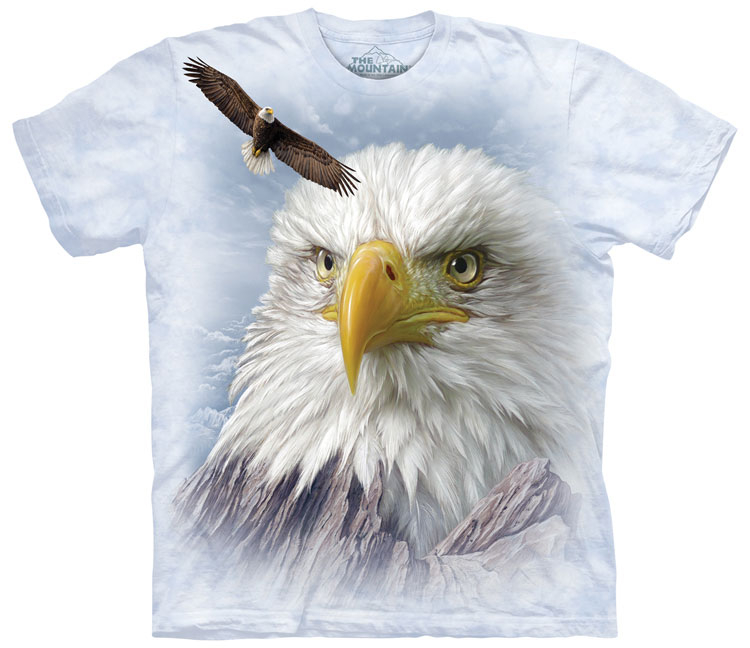
Facing the Future: Challenges and Opportunities in Bald Eagle Conservation Efforts
Facing the Future: Challenges and Opportunities in Bald Eagle Conservation Efforts In the ever-evolving landscape of wildlife conservation, the story of the bald eagle stands as a testament to the power of dedicated conservation efforts. Once teetering on the brink of extinction, these majestic birds have experienced a remarkable recovery, drawing attention to the critical […]
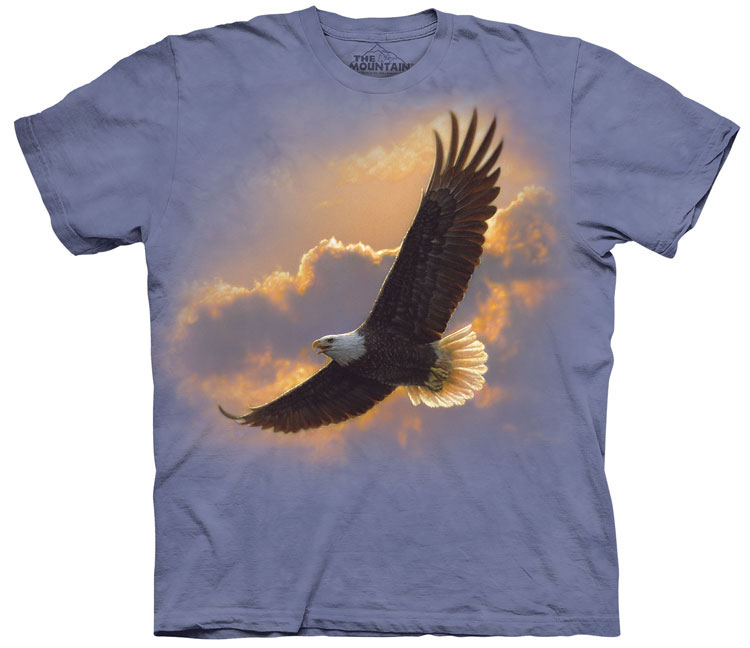
Public Awareness: The Unsung Hero in the Bald Eagle Conservation Story
Public Awareness: The Unsung Hero in the Bald Eagle Conservation Story Bald eagles, once teetering on the brink of extinction, now soar as a testament to the power of concerted conservation efforts. These majestic birds have long captured the public’s imagination, serving as a symbol of freedom and resilience. Today, the story of bald eagle […]
Discover the Bald Eagle Habitat: Exploring the Home of America’s National Bird
Discover the Bald Eagle Habitat: Exploring the Home of America’s National Bird Beneath the vast skies and along the serene waterways of North America lies the majestic realm of the bald eagle, the revered national bird of the United States. As an enduring symbol of freedom and resilience, the bald eagle captivates with its powerful […]
Bald Eagle Size and Strength: How They Compare to Other Raptors and What It Means for Their Survival
Bald Eagle Size and Strength: How They Compare to Other Raptors and What It Means for Their Survival When it comes to the majestic realm of raptors, bald eagles stand out with their commanding presence and formidable stature. Their impressive size, marked by a striking eagle wingspan and substantial bald eagle weight, plays a crucial […]
The Majestic Wingspan of the Bald Eagle
The Majestic Wingspan of the Bald Eagle: How It Compares to Other Birds of Prey The bald eagle, with its commanding presence and formidable wingspan, has long been a symbol of strength and freedom. As you explore the world of birds of prey, understanding how the bald eagle’s wingspan compares to its avian peers is […]

How Bald Eagles Hunt: A Closer Look at Their Unique Bird Hunting Techniques
How Bald Eagles Hunt: A Closer Look at Their Unique Bird Hunting Techniques In the realm of avian predators, bald eagles stand out with their remarkable hunting prowess and distinctive feeding habits. As majestic symbols of strength and freedom, these raptors have developed unique bird hunting techniques that make them formidable hunters in the wild. […]

Eagle Lifespan Explained: How Habitat and Environmental Impact Shape Their Years
Eagle Lifespan Explained: How Habitat and Environmental Impact Shape Their Years Eagles are majestic symbols of freedom and power, captivating bird watchers and wildlife enthusiasts alike with their soaring grace and impressive wingspans. However, understanding the bald eagle lifespan requires delving beyond their iconic presence to explore how eagle longevity is intricately tied to their […]
Discovering Bald Eagle Habitats: Where Nature Thrives and Eagles Nest
Discovering Bald Eagle Habitats: Where Nature Thrives and Eagles Nest In the heart of the wild, where nature’s splendor meets the sky, bald eagles find their sanctuary in diverse and thriving habitats. These majestic birds are drawn to nesting sites near expansive lakes, flowing rivers, and the rugged beauty of coastal regions. Such environments offer […]

From Past to Present: The Fascinating Origins of the Bald Eagle’s Name
From Past to Present: The Fascinating Origins of the Bald Eagle’s Name The bald eagle, a majestic bird often associated with the spirit of freedom, has a name steeped in intriguing history and cultural significance. Contrary to today’s understanding, the term ‘bald’ in the context of these regal creatures does not imply a lack of […]
Unlock the Secrets of Dog Grooming: How Often to Bathe a Dog for Optimal Coat Care
Unlock the Secrets of Dog Grooming: How Often to Bathe a Dog for Optimal Coat Care Unlocking the secrets of dog grooming can feel like unraveling a mystery, but understanding how often to bathe your furry friend is a crucial step toward optimal coat care. Whether you’re a seasoned dog owner or a budding pet […]
Care for Pregnant Dogs: Essential Tips for Ensuring a Healthy Pregnancy
Care for Pregnant Dogs: Essential Tips for Ensuring a Healthy Pregnancy Bringing a new litter into the world is an exciting journey for any dog owner or breeder, and ensuring a healthy pregnancy is key to this rewarding experience. Understanding the dog pregnancy duration and the stages of fetal development helps you provide the best […]
Unlocking the Secrets: Why Dogs Wag Their Tails and What It Means for You
Unlocking the Secrets: Why Dogs Wag Their Tails and What It Means for You Dogs have long been cherished companions, each wag of their tail a mystery waiting to be unlocked. In the world of dog tail wagging, there’s a wealth of information about dog emotions and the signals they send. Understanding dog behavior through […]