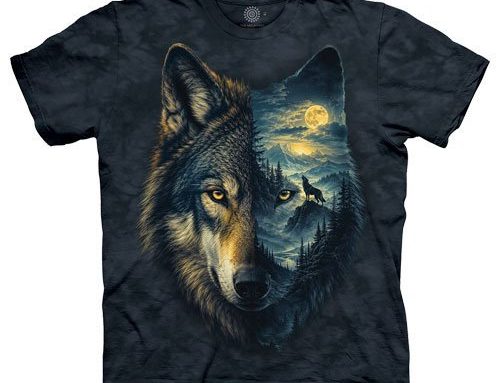
How Wolves Communicate: A Symphony of Howls and Body Language
Wolves don’t just howl for the thrill of it—they use sound and movement to keep their packs connected across miles. If you’ve ever wondered how wolves communicate beyond the eerie calls in the night, you’re about to find out. This post breaks down the signals behind their howling, body language, and social behavior, revealing how these skills shape every part of wolf pack dynamics. For a touch of wolf spirit in your wardrobe, check out this Moonlit Mates Shirt.
CLICK HERE TO SEE BEAUTIFUL WOLF SHIRTS
The Role of Howling
Howling is more than just a sound; it’s a crucial aspect of wolf communication. Let’s dive into the different roles it plays in a wolf’s life.
Uniting the Pack
Howling brings the pack together. When a wolf howls, it sends a message to its pack members. This sound can travel over long distances, ensuring that even wolves far away can find their way back. The pack feels stronger and more connected when they hear a familiar howl.
Imagine a family reunion where everyone gathers after hearing a call to come home. That’s what howling does for wolves. It keeps the bond strong and helps them stay together no matter where they roam.
Long-Distance Communication
Wolves use howling to communicate across vast areas. This is especially handy when they need to warn others about danger or call for help. The sound of a howl can travel several miles, reaching every corner of their territory.
Think of it like a natural megaphone. It allows wolves to keep in touch even when they are miles apart. This is essential for coordinating movements and ensuring everyone knows what’s happening.
Emotional Expressions
Howling also expresses emotions. Wolves can howl to show excitement, sorrow, or even to celebrate a successful hunt. The tone and pitch of the howl convey different feelings, much like how we use our voice to express joy or sadness.
This emotional depth adds another layer to wolf communication. It helps pack members understand each other’s moods and respond accordingly, strengthening their social bonds.
Understanding Wolf Body Language
Beyond howling, wolves have a complex system of body language. This visual communication is key to their interactions.
Tail and Ear Positions
Wolves use their tails and ears to convey messages. A raised tail might signal dominance, while a tucked tail could indicate submission. Similarly, ears perked forward show interest or aggression, whereas flattened ears suggest fear.
These signals are clear and easy to read for other wolves. It’s like talking without words, allowing them to express themselves in various situations effectively.
Facial Expressions and Gestures
Facial expressions play a significant role in wolf communication. A bared set of teeth or a wrinkled nose can indicate aggression or warning. On the other hand, a relaxed face might show contentment or playfulness.
These expressions provide immediate feedback to others in the pack, helping them understand each other’s intentions and emotions quickly and clearly.
Posture and Movement
The way a wolf stands or moves can tell a lot about its mood and intentions. A confident wolf might stand tall, while a submissive one might crouch low. Movement patterns, like circling or approaching slowly, convey messages about friendliness or threat.
This physical communication helps maintain order within the pack, ensuring everyone knows their place and how to interact with each other.
Social Behavior of Wolves
Wolf communication is deeply tied to their social behavior. It helps define roles and relationships within the pack.
Hierarchies Within the Pack
Wolves live in structured groups with clear hierarchies. Communication plays a vital role in establishing and maintaining these ranks. Dominant wolves use specific signals to assert their position, while subordinates show respect through body language.
This hierarchy ensures that the pack functions smoothly, with each member understanding their role and responsibilities.
Bonding and Cooperation
Communication fosters bonding and cooperation among wolves. Through playful interactions and mutual grooming, wolves strengthen their relationships. These actions are essential for building trust and cooperation, especially during hunts.
The pack’s ability to work together hinges on these bonds, ensuring they can tackle challenges as a unified group.
Protecting Territory
Wolves use communication to protect their territory. Howling warns other packs to stay away, while scent marking reinforces boundaries. These strategies prevent conflicts and ensure the pack’s safety.
By clearly communicating their presence and intentions, wolves can protect their home and resources from intruders.
Communication in Hunting
When it comes to hunting, wolves rely on precise communication. This ensures they can effectively hunt as a team.
Coordinated Pack Strategies
Wolves use vocal and visual signals to coordinate during hunts. They may spread out to cover more ground or come together to take down large prey. Each wolf knows its role and how to execute the plan effectively.
This teamwork increases their chances of a successful hunt, allowing them to feed the entire pack.
Silent Signals During the Hunt
Silence is golden during a hunt. Wolves use subtle signals, like glances or tail movements, to communicate without alerting prey. This stealthy approach is crucial for sneaking up on their target.
By understanding these silent cues, wolves can remain undetected and increase their chances of a successful ambush.
Success Through Teamwork
The key to successful wolf hunts is teamwork. Each member plays a part, relying on communication to execute complex strategies. This cooperation ensures they can take down prey much larger than themselves.
It’s a powerful example of how effective communication leads to success in the wild.
Importance of Wolf Communication
Wolf communication is vital to their survival and adaptation. It influences every aspect of their lives.
Maintaining Pack Dynamics
Communication keeps the pack dynamic and harmonious. It prevents conflicts, strengthens bonds, and ensures everyone knows their role. This stability is essential for the pack’s overall well-being.
Through effective communication, wolves can thrive as a cohesive unit, even in challenging environments.
Survival and Adaptation
In the wild, communication is a tool for survival. It helps wolves adapt to changing conditions, find food, and avoid danger. By staying connected, they can respond quickly to threats and opportunities.
This adaptability is a testament to the power of communication in the animal kingdom.
Insights into Animal Behavior
Studying wolf communication offers valuable insights into animal behavior. It reveals how complex and nuanced their interactions can be, shedding light on the social dynamics of other species as well.
Understanding these communication methods helps us appreciate the depth of animal interactions and the importance of effective communication in nature.
Frequently Asked Questions
How do wolves communicate over long distances?
Wolves communicate over long distances primarily through howling. The sound can travel several miles, allowing them to send messages and stay connected with their pack members.
What does a wolf’s body language indicate?
A wolf’s body language can indicate various things, such as dominance, submission, interest, or aggression. Tail positions, ear movements, and facial expressions all contribute to their visual communication.
Why is communication important for wolf hunting?
Communication is crucial for wolf hunting because it allows for coordinated strategies and teamwork. Wolves rely on vocal and silent signals to execute complex hunts, increasing their chances of success.
How do wolves maintain social hierarchies?
Wolves maintain social hierarchies through clear communication. Dominant wolves assert their position using specific signals, while subordinates show respect through body language, ensuring a smooth pack dynamic.
What insights can we gain from studying wolf communication?
Studying wolf communication provides insights into animal behavior and social dynamics. It reveals the complexity of their interactions and highlights the importance of effective communication in the animal kingdom.
CLICK HERE TO SEE BEAUTIFUL WOLF SHIRTS
Size Chart – Dropship – Contact Us – Track Order
Aquatic – Bears – Big Cats – Birds – Bison – Cats – Deer – Dinosaurs – Dogs – Dolphins – Dragons – Eagles – Elephants – Fairies – Farm Animals – Frogs – Giraffes – Horses – Lions – Moose – Native American Indians – Other – Outdoor – Patriotic – Peace – Primates – Reptiles – Scary – Tigers – Unicorns – Wolf
How Wolves Communicate: A Symphony of Howls and Body Language
How Wolves Communicate: A Symphony of Howls and Body Language Wolves don’t just howl for the thrill of it—they use sound and movement to keep their packs connected across miles. If you’ve ever wondered how wolves communicate beyond the eerie calls in the night, you’re about to find out. This post breaks down the signals […]
How to Choose the Perfect Wolf T-Shirt: A Guide for Wildlife Enthusiasts
How to Choose the Perfect Wolf T-Shirt: A Guide for Wildlife Enthusiasts Picking the right wolf shirts can feel overwhelming with so many styles and fabrics out there. You want a wolf t-shirt that shows your love for these wild animals without sacrificing comfort or style. This guide breaks down what matters most—from fit to […]
Why Wolf T-Shirts Are a Must-Have for Every Animal Lover’s Wardrobe
Why Wolf T-Shirts Are a Must-Have for Every Animal Lover’s Wardrobe Wolf t-shirts have become more than just clothing for animal lovers—they tell a story of wild spirit and respect for nature. If you’ve noticed how these wolf graphic tees show up everywhere, there’s a reason they connect so deeply with people like you. This […]
Beyond the Howl: Exploring Wolf Communication and Social Structures
Beyond the Howl: Exploring Wolf Communication and Social Structures Wolves hold secrets that go far beyond their haunting howls. If you think you know everything about these creatures, get ready to be surprised by 20 wolf facts that reveal their complex communication and social lives. You’ll see how wolves shape ecosystems, adapt to harsh environments, […]
The Science of Wolf Howling: Understanding the Sounds and Their Purposes
The Science of Wolf Howling: Understanding the Sounds and Their Purposes Wolf howling isn’t just eerie background noise in the wilderness—it’s a vital part of wolf communication that shapes their social world. If you’ve ever wondered why wolves howl, you’re about to uncover the different sounds they use and what each one means. From coordinating […]
The Art of Cooperative Hunting: Wolf Hunting Strategies Explained
The Art of Cooperative Hunting: Wolf Hunting Strategies Explained Wolf pack behavior is far more complex than most people realize. When you watch wolves hunt together, you’re seeing a finely tuned team that relies on clear communication and strong family bonds. This post will reveal how wolves coordinate their hunts, protect their young, and keep […]
Wolves vs Dogs: Understanding the Key Differences in Behavior and Characteristics
Wolves vs Dogs: Understanding the Key Differences in Behavior and Characteristics Most people think dogs and wolves are basically the same animals with a few tweaks. The truth is, the differences between wolves and dogs run much deeper than you might expect. When you look closely at their behavior, instincts, and how domestication changed dogs, […]
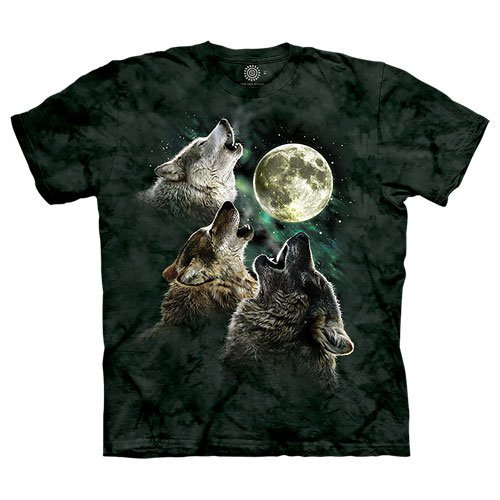
Exploring Artistic Wolf Shirts: Where Creativity Meets Nature’s Beauty
Exploring Artistic Wolf Shirts: Where Creativity Meets Nature’s Beauty Wolf t-shirt designs go far beyond simple prints—they capture the wild spirit and beauty of these animals with striking detail. If you’ve ever wanted to wear something that speaks to your love for wolves and stands out in your wardrobe, artistic wolf shirts offer exactly that. […]
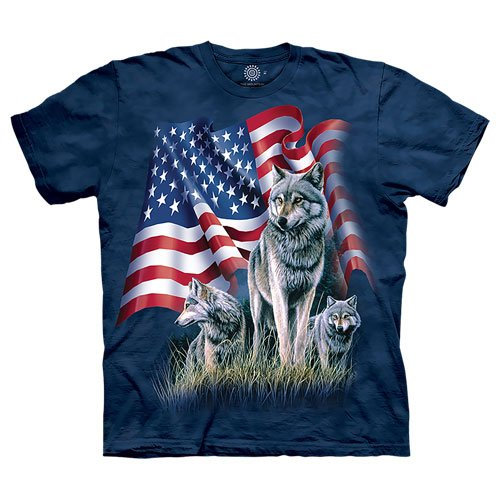
Unleash the Wild: Top Wolf T-Shirts Perfect for Wildlife Lovers
Unleash the Wild: Top Wolf T-Shirts Perfect for Wildlife Lovers Forget the usual gift ideas that get tossed aside. If you know someone who lives for the wild, wolf t-shirts offer a fresh way to celebrate their passion. These designs go beyond simple prints—they capture the spirit of wolves in styles that speak directly to […]
How Smart Are Wolves? Unraveling the Secrets of Wolf Intelligence and Problem Solving
How Smart Are Wolves? Unraveling the Secrets of Wolf Intelligence and Problem Solving Wolves are often seen as fierce hunters, but their real strength lies in their sharp minds. When you think about wolf intelligence, you might miss how they solve problems, learn from each other, and adapt to tough environments. This post takes you […]
Lone Wolf Stories: Human Archetypes and Their Connection to Nature
Lone Wolf Stories: Human Archetypes and Their Connection to Nature The idea of a lone wolf often paints a picture of quiet independence and solitary strength. Yet, in nature, stepping away from the wolf pack brings serious challenges in hunting and survival. Your sense of independence might feel powerful, but what about the social implications […]
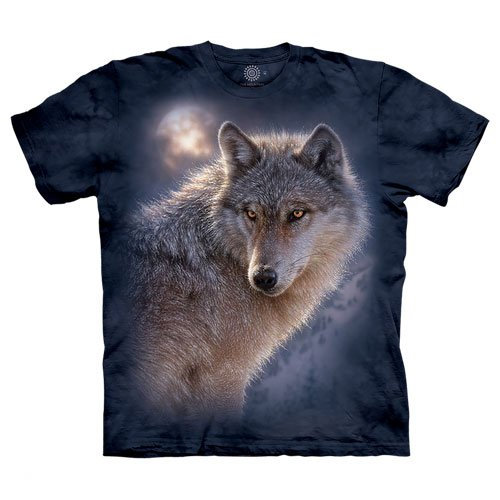
Wolves Across Cultures: Understanding Wolf Symbolism in Folklore and Mythology
Wolves Across Cultures: Understanding Wolf Symbolism in Folklore and Mythology Wolves have inspired stories and beliefs across cultures for centuries, but what do they really symbolize? If you’ve ever wondered what strength, loyalty, freedom, and family mean through the lens of wolf symbolism, you’re in the right place. This post will explore how wolves appear […]