
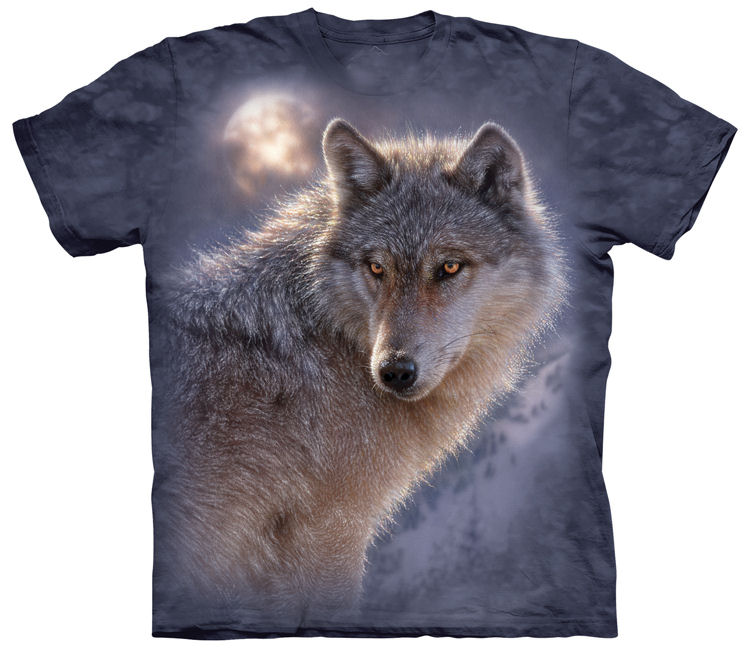
What Sounds Do Wolves Make? A Friendly Guide to Wolf Calls and Noises
Wolves, majestic and enigmatic creatures, communicate through a fascinating array of sounds that captivate wolf lovers and wildlife enthusiasts alike. But what sounds do wolves make to interact with each other and their environment? From the hauntingly beautiful howl that echoes through the wilderness to the playful yips and growls of a pack at play, each wolf noise serves a particular purpose in their social structure. In this guide, we’ll explore the diverse repertoire of wolf calls and noises, unraveling the mysteries behind these vocalizations and what they signify in the life of a wolf. Join us as we delve into the world of wolves and their unique sounds.

Introduction to Wolf Sounds
What Sounds Do Wolves Make?
Wolves produce a variety of sounds, each serving a specific purpose in their communication repertoire. The most iconic wolf noise is the howl, which can be heard over long distances and is used to assemble the pack or mark territory. Growls and snarls are more aggressive sounds, often heard during conflicts or when wolves are defending their food. Yips and barks are typically associated with play or as alarm signals. During social interactions, wolves might whimper or whine, expressing submission or affection. Each wolf call contributes to the complex social dynamics within a pack, ensuring cohesion and coordination. By understanding these sounds, we gain insight into the sophisticated communication system of wolves, highlighting their intelligence and social nature.
Importance of Wolf Communication
Communication is vital for the survival and success of wolf packs. Wolves rely on vocalizations to coordinate hunting strategies, maintain pack hierarchy, and strengthen social bonds. The variety of sounds they produce helps them convey different messages effectively. For example, a howl can signal the location of a lone wolf or serve to rally the pack for a hunt. Growls and snarls maintain order during feeding times, ensuring dominant wolves get priority access to food. Social sounds like whimpers and whines help maintain pack harmony by reinforcing relationships and establishing submission or dominance. Effective communication allows wolves to work as a cohesive unit, which is essential for their ability to thrive in the wild. Understanding these communications not only enriches our knowledge of wolves but also emphasizes the complexity and depth of their social interactions.
Common Wolf Calls
Howls and Their Meanings
Howling is perhaps the most recognizable and evocative wolf call. Wolves howl for various reasons, each serving a distinct purpose in their social structure. A long, lone howl can act as a beacon, helping wolves locate each other over vast distances. Group howls, where multiple pack members join in, often serve to reinforce pack unity and can be a territorial display, warning rival packs to stay away. During hunts, short, sharp howls can help coordinate movements and strategies. Wolves also use howls to express emotions such as loneliness, excitement, or distress. Interestingly, each wolf has a unique howl, allowing pack members to identify individuals. This intricate use of howls highlights the complexity of wolf communication and the essential role it plays in their survival and social organization.
Growls and Defensive Sounds
Growls and other defensive sounds are crucial for maintaining order and asserting dominance within a wolf pack. Growling is often a warning signal, used to deter threats or express aggression. When a wolf feels threatened, it will growl to communicate its readiness to defend itself or its territory. Snarls, which are more intense and accompanied by bared teeth, escalate the warning, indicating that a physical confrontation is imminent if the threat persists. These sounds are also common during feeding times, as dominant wolves assert their right to the best portions of food. By using growls and snarls, wolves can avoid unnecessary fights, preserving energy and reducing the risk of injury. Understanding these defensive sounds helps us appreciate the complex social interactions that govern wolf behavior and ensure the stability of the pack.
Unusual Wolf Noises
Whimpers and Their Uses
Whimpers are softer wolf noises that play a significant role in social bonding and communication within the pack. These gentle sounds are often heard during interactions between wolves of different ranks, particularly when a lower-ranking wolf shows submission to a dominant pack member. Whimpering can also occur between pups and adult wolves, serving as a call for attention, care, or food. In more intimate contexts, such as grooming or comforting, wolves use whimpers to convey affection and strengthen social bonds. This form of communication helps maintain the delicate balance of relationships within the pack, promoting cooperation and cohesion. By understanding the use of whimpers, we gain insight into the emotional depth and social complexity of wolves, highlighting their reliance on nuanced vocalizations to navigate their social world.
Barks and Rare Vocalizations
Barks are less common in wolves compared to domestic dogs, but they still serve important functions. Wolves typically bark as an alarm signal to alert the pack of potential danger or to scare off intruders. These short, sharp sounds can quickly grab the attention of other pack members, prompting a swift response. In addition to barks, wolves occasionally produce other rare vocalizations such as huffs, which are forceful exhalations of air used during close encounters to signal mild agitation or curiosity. Another rare sound is the “bark-howl,” which combines elements of both barking and howling, often used in situations where a wolf feels both threatened and needs to communicate over a distance. These rare vocalizations, though not as frequently heard, add to the rich tapestry of wolf communication, highlighting the versatility and adaptability of their vocal skills in different situations.

A Closer Look at Octopus Smarts
Dive into the World of Cephalopod Intelligence: A Closer Look at Octopus Smarts Forget everything you think you know about marine animal intelligence. Octopuses challenge nearly every idea about how smart sea creatures can be. When you ask how smart are octopuses, the answers come from surprising behaviors and problem-solving skills that rival some mammals. […]
Meet the Animals with the Best Memory
Surprising Animal Intelligence: Meet the Animals with the Best Memory Most people think elephants top the list for animals with best memory. But your mind will shift once you meet creatures whose recall beats even the giants. These surprising animal facts will change how you see memory in animals—and why some species never forget a […]
The Hidden Meanings Behind Tail Chasing
Dogs’ Mental Health: The Hidden Meanings Behind Tail Chasing You might laugh when your dog spins in circles chasing its tail, but that funny habit hides more than just playfulness. Tail chasing behavior can reveal surprising clues about your dog’s mental health and well-being. Understanding why dogs chase their tails helps you spot when this […]
Do Animals Grieve Like Us?
Exploring Animal Behavior: Do Animals Grieve Like Us? You’ve seen your pet act strangely after losing a companion—maybe they stopped eating or seemed withdrawn. These moments make you wonder: do animals grieve like we do? The truth behind animal emotions goes beyond simple instincts, revealing stories that touch the heart and surprising scientific findings. Let’s […]
Practical Advice for Preventing Birds Hitting Windows
Creating a Bird-Safe Home: Practical Advice for Preventing Birds Hitting Windows Birds hitting windows cause more harm than you might think. You watch a beautiful bird only to see it crash into your glass, leaving you wondering why it happened. This problem isn’t just about accidents—it’s about keeping your home safe for the birds outside. […]
A Comprehensive Animal Lifespan Guide
Common Pets Lifespans and Wild Animal Ages: A Comprehensive Animal Lifespan Guide Most pet owners guess their furry friends live as long as other pets they know. The truth about animal lifespan comparison often surprises even the biggest animal lovers. This guide breaks down common pets lifespans alongside wild animal ages so you can see […]
Normal Cat Sleep Patterns Explained
Understanding Your Cat: Normal Cat Sleep Patterns Explained Cats spend up to 16 hours a day snoozing, and that often leaves owners wondering why do cats sleep so much. It’s easy to worry when your furry friend seems glued to their bed all day. But those long naps actually follow normal cat sleep patterns that […]
Unraveling the Mystery of Dog Behavior and Attachment
Pet Owner Insights: Unraveling the Mystery of Dog Behavior and Attachment Most dog owners notice one thing right away: their dog never seems to want to be far from their side. This constant shadow isn’t just clinginess—it’s a window into your dog’s pack mentality and deep bond with you. Understanding why dogs follow you everywhere […]
Why Cats Knead and What It Means for You
Animal Behaviorists Explain: Why Cats Knead and What It Means for You Cats kneading blankets or your lap might seem like a simple, cute habit. But if you’ve ever wondered why your cat does this strange motion, you’re not alone. Animal behaviorists reveal that this action holds deeper meaning tied to your cat’s feelings and […]
Why Your Dog Licks You and What It Means
Veterinary Science Explains: Why Your Dog Licks You and What It Means Most dog owners notice licking but miss what it really means. Your dog’s tongue sends messages beyond just affection. Understanding why do dogs lick you reveals surprising reasons rooted in veterinary science. Read on to uncover seven clear explanations that shed light on […]
Read more interesting animal facts here
Follow us on Facebook and Twitter to receive 10% off your order!
Size Chart – Dropship – Contact Us – Track Order
Baby Onesies – Hoodies – Ladies Tee Shirts – Long Sleeve Shirts – Mini Dresses – Aquatic – Bears – Big Cats – Birds – Bison – Cats – Deer – Dinosaurs – Dogs – Dolphins – Dragons – Eagles – Elephants – Fairies – Farm Animals – Frogs – Giraffes – Horses – Lions – Moose – Native American Indians – Other – Outdoor – Patriotic – Peace – Primates – Reptiles – Scary – Tigers – Unicorns – Wolf – Hats