
Common Pets Lifespans and Wild Animal Ages: A Comprehensive Animal Lifespan Guide
Most pet owners guess their furry friends live as long as other pets they know. The truth about animal lifespan comparison often surprises even the biggest animal lovers. This guide breaks down common pets lifespans alongside wild animal ages so you can see how your pet’s life expectancy stacks up against nature’s timeline. For more information, check out this link.
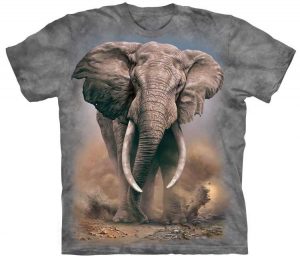
Have you seen our huge selection of Animal T-Shirts?
Overview of Animal Lifespans
Exploring how long different creatures live can reveal fascinating insights. Let’s dive into the world of both common pets and wild animals to see how they compare.
Common Pets Lifespans
Did you know that a rabbit’s lifespan can range from 8 to 12 years, while a parrot might live up to 50 years? These numbers show just how varied pet lifespans can be. Cats generally live around 15 years, with some reaching beyond 20. Dogs, depending on the breed, can vary widely, living anywhere from 10 to 15 years on average. A hamster, on the other hand, might only live 2 to 3 years. It’s intriguing to see these differences in the creatures we often consider part of our families. Understanding these lifespans helps you make informed decisions about which pet might best fit your lifestyle and commitment level. For more details, you can explore this animal life spans guide.
Wild Animal Ages
Wild creatures often surprise us with their lifespans. For instance, tortoises can live for more than 150 years, making them some of the oldest living animals on earth. In contrast, the lifespan of a wild mouse is typically only 1 to 2 years. Larger mammals like elephants can live up to 70 years, while a whale might surpass 100 years. These numbers highlight the diversity of life in the wild and challenge our assumptions about animal longevity. Observing these lifespans provides a glimpse into survival strategies in the animal kingdom. The Survival Statistics FAQ offers further insights into these fascinating creatures.
Factors Influencing Lifespans
Understanding the factors that influence lifespan can reveal why some animals live longer than others. Let’s explore how genetics, environment, diet, and healthcare play a role.
Genetics and Environment
Genetics set the foundation for an animal’s potential lifespan, but the environment they live in can either enhance or diminish this potential. For example, a bird in the wild might face predators and harsh conditions, while the same species might live longer in captivity where these threats are minimized. Urban environments might offer more food sources but also more hazards. The balance between these factors can significantly affect longevity. On the other hand, genetics can predispose animals to certain health issues, impacting their life expectancy. These elements combine to create the unique tapestry of an animal’s life.
Diet and Healthcare
A balanced diet and proper healthcare are crucial to any animal’s longevity. For pets, a diet tailored to specific needs, along with regular vet check-ups, can greatly increase their lifespan. In the wild, animals rely on available resources, which can vary seasonally, affecting their health and longevity. For instance, a lion’s access to prey directly influences its health and survival. In captivity, consistent nutrition and healthcare extend animals’ lives compared to their wild counterparts. Understanding these factors can help you provide the best care for your pets, ensuring they live long, healthy lives.
Animal Lifespan Guide Insights
With this knowledge, let’s delve deeper into practical tips for enhancing pet life expectancy and comparing wild animal lifespans.
Pet Life Expectancy Tips
To help your pet live a longer, healthier life, focus on a few key areas. Regular exercise is vital to maintaining physical health and mental stimulation. Keep your pet on a consistent schedule for meals, and ensure their diet meets nutritional needs. Routine veterinary visits can help catch potential health issues early. Lastly, provide a safe, loving environment, minimizing stress and hazards. By focusing on these areas, you can positively influence your pet’s health and longevity.
Wild Animal Lifespan Comparisons
Comparing wild animals’ lifespans can offer insights into their unique adaptations. For example, a giraffe in the wild may live around 25 years, thanks to its height advantage in spotting predators. A cheetah, with its speed, might only live about 12 years due to the physically demanding nature of its lifestyle. Understanding these lifespans highlights the diverse strategies animals use to thrive in their environments. These comparisons not only intrigue but also provide a deeper appreciation for the natural world.
By understanding the factors that influence lifespan, you can better appreciate the diverse lifespans of animals and make informed decisions about pet care. The longer you wait to apply these insights, the more you might miss out on enhancing your pet’s life.
Click here to see our selection of beautiful Elephant shirts
A Closer Look at Octopus Smarts
Dive into the World of Cephalopod Intelligence: A Closer Look at Octopus Smarts Forget everything you think you know about marine animal intelligence. Octopuses challenge nearly every idea about how smart sea creatures can be. When you ask how smart are octopuses, the answers come from surprising behaviors and problem-solving skills that rival some mammals. […]
Meet the Animals with the Best Memory
Surprising Animal Intelligence: Meet the Animals with the Best Memory Most people think elephants top the list for animals with best memory. But your mind will shift once you meet creatures whose recall beats even the giants. These surprising animal facts will change how you see memory in animals—and why some species never forget a […]
The Hidden Meanings Behind Tail Chasing
Dogs’ Mental Health: The Hidden Meanings Behind Tail Chasing You might laugh when your dog spins in circles chasing its tail, but that funny habit hides more than just playfulness. Tail chasing behavior can reveal surprising clues about your dog’s mental health and well-being. Understanding why dogs chase their tails helps you spot when this […]
Do Animals Grieve Like Us?
Exploring Animal Behavior: Do Animals Grieve Like Us? You’ve seen your pet act strangely after losing a companion—maybe they stopped eating or seemed withdrawn. These moments make you wonder: do animals grieve like we do? The truth behind animal emotions goes beyond simple instincts, revealing stories that touch the heart and surprising scientific findings. Let’s […]
Practical Advice for Preventing Birds Hitting Windows
Creating a Bird-Safe Home: Practical Advice for Preventing Birds Hitting Windows Birds hitting windows cause more harm than you might think. You watch a beautiful bird only to see it crash into your glass, leaving you wondering why it happened. This problem isn’t just about accidents—it’s about keeping your home safe for the birds outside. […]
A Comprehensive Animal Lifespan Guide
Common Pets Lifespans and Wild Animal Ages: A Comprehensive Animal Lifespan Guide Most pet owners guess their furry friends live as long as other pets they know. The truth about animal lifespan comparison often surprises even the biggest animal lovers. This guide breaks down common pets lifespans alongside wild animal ages so you can see […]
Normal Cat Sleep Patterns Explained
Understanding Your Cat: Normal Cat Sleep Patterns Explained Cats spend up to 16 hours a day snoozing, and that often leaves owners wondering why do cats sleep so much. It’s easy to worry when your furry friend seems glued to their bed all day. But those long naps actually follow normal cat sleep patterns that […]
Unraveling the Mystery of Dog Behavior and Attachment
Pet Owner Insights: Unraveling the Mystery of Dog Behavior and Attachment Most dog owners notice one thing right away: their dog never seems to want to be far from their side. This constant shadow isn’t just clinginess—it’s a window into your dog’s pack mentality and deep bond with you. Understanding why dogs follow you everywhere […]
Why Cats Knead and What It Means for You
Animal Behaviorists Explain: Why Cats Knead and What It Means for You Cats kneading blankets or your lap might seem like a simple, cute habit. But if you’ve ever wondered why your cat does this strange motion, you’re not alone. Animal behaviorists reveal that this action holds deeper meaning tied to your cat’s feelings and […]
Why Your Dog Licks You and What It Means
Veterinary Science Explains: Why Your Dog Licks You and What It Means Most dog owners notice licking but miss what it really means. Your dog’s tongue sends messages beyond just affection. Understanding why do dogs lick you reveals surprising reasons rooted in veterinary science. Read on to uncover seven clear explanations that shed light on […]
The Most Loyal Animals in the World
Animal Loyalty Unveiled: The Most Loyal Animals in the World Most people assume loyalty is just a human trait, but science tells a different story. Some animals form bonds so strong they stay by your side through thick and thin. If you’ve ever wondered which creatures top the list of the most loyal animals, this […]
Animals That Play Dead and Their Clever Defense Techniques
Exploring the Strategy: Animals That Play Dead and Their Clever Defense Techniques Most animals flee or fight when danger appears. Yet some choose a startling tactic: playing dead. Animals that play dead use this surprising move to trick predators into losing interest. In this post, you’ll uncover the clever reasons behind this unusual defense and […]