
Exploring Animal Behavior: Do Animals Grieve Like Us?
You’ve seen your pet act strangely after losing a companion—maybe they stopped eating or seemed withdrawn. These moments make you wonder: do animals grieve like we do? The truth behind animal emotions goes beyond simple instincts, revealing stories that touch the heart and surprising scientific findings. Let’s explore what grief in animals really looks like and what it means for your connection with them. For more insights, check out this article.
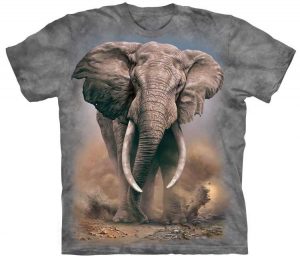
Have you seen our huge selection of Animal T-Shirts?
Understanding Animal Grief
Our journey begins by unraveling the mysteries of animal grief. Do animals grieve? The evidence suggests a complex emotional world.
Scientific Research on Animal Grief
Science offers a window into the emotional lives of animals. Research shows that many species, from elephants to primates, show signs of mourning. A study from Scientific American reveals fascinating behaviors. Elephants, for instance, have been observed staying near deceased herd members for extended periods. These actions hint at a deep emotional bond.
Furthermore, a Smithsonian Magazine article discusses how dolphins have been seen carrying their dead calves. This behavior suggests a profound sense of loss. While we can’t fully understand their emotions, patterns are emerging. These findings challenge our assumptions about the emotional depth in animals.
Real Stories of Animal Grief
Stories of animal grief offer a personal glimpse into their world. Consider the tale of a loyal dog who refused to leave their friend’s grave. This act spoke volumes about their bond. Such stories highlight the undeniable presence of grief in animals.
-
Dogs: Known to stay by their owner’s side, even in death.
-
Cats: May hide or become reclusive when a companion is lost.
-
Birds: Some species, like parrots, exhibit depression after losing a mate.
These examples remind us that the grief of animals is real. It’s not just a human experience. The question remains, what can we learn from them?
Comparing Animal and Human Grief
As we explore further, let’s compare how grief manifests in animals versus humans. Are there similarities we can draw?
Emotional Intelligence in Animals
Animals exhibit a form of emotional intelligence that might surprise you. They can sense emotions and react accordingly. Studies show that dogs can read human facial expressions, indicating a nuanced understanding of emotions. This capability suggests a level of awareness that parallels human emotional intelligence.
Animals communicate their emotions in various ways. For example, a wagging tail or purring can signal different states of mind. Understanding these signals can deepen our connection with them. Most people think only humans possess emotional intelligence, but animals challenge this notion.
Observing Grief in Pets
Observing your pet’s behavior can reveal their emotional state. Pets often mirror your emotions, and their grief might reflect your own. During times of loss, you might notice changes such as:
-
Eating habits: A decrease in appetite might indicate sadness.
-
Energy levels: Your pet might seem lethargic or disinterested.
-
Social behavior: They could become more clingy or withdrawn.
Recognizing these signs helps in addressing their needs. It’s essential to provide comfort and understanding during these times. The longer you wait to do so, the harder it might be for them to cope.
The Impact of Grief on Animal Behavior
With an understanding of their emotions, we can now explore how grief alters animal behavior. Recognizing these changes is crucial for support.
Changes in Animal Behavior
Grief can significantly affect an animal’s behavior. Cats, for example, may stop grooming themselves, indicating distress. Dogs might become more vocal or exhibit destructive tendencies. According to a study in Ergo, even birds might stop singing after losing a mate. Watching for these changes is vital.
Behavioral shifts are often a cry for help. By noticing these cues, you can take steps to provide comfort. This understanding fosters a supportive environment for your grieving pet. Most believe that animals bounce back quickly, but the reality can be quite different.
Supporting Pets Through Loss
Helping your pet through grief is a compassionate act. Here’s how you can support them:
-
Maintain Routine: Stability can provide comfort.
-
Offer Attention: Spend quality time together.
-
Consult a Vet: Professional advice can be invaluable.
Your pet relies on you, especially during tough times. As you provide support, you strengthen your bond. This journey teaches us that love and care can bridge the gap between species.
In summary, animals experience a form of grief that parallels human emotions. By understanding their needs, you can be a source of comfort and strength. Remember, your connection with them goes beyond words, rooted deeply in shared experiences.
Click here to see our selection of beautiful Elephant shirts
A Closer Look at Octopus Smarts
Dive into the World of Cephalopod Intelligence: A Closer Look at Octopus Smarts Forget everything you think you know about marine animal intelligence. Octopuses challenge nearly every idea about how smart sea creatures can be. When you ask how smart are octopuses, the answers come from surprising behaviors and problem-solving skills that rival some mammals. […]
Meet the Animals with the Best Memory
Surprising Animal Intelligence: Meet the Animals with the Best Memory Most people think elephants top the list for animals with best memory. But your mind will shift once you meet creatures whose recall beats even the giants. These surprising animal facts will change how you see memory in animals—and why some species never forget a […]
The Hidden Meanings Behind Tail Chasing
Dogs’ Mental Health: The Hidden Meanings Behind Tail Chasing You might laugh when your dog spins in circles chasing its tail, but that funny habit hides more than just playfulness. Tail chasing behavior can reveal surprising clues about your dog’s mental health and well-being. Understanding why dogs chase their tails helps you spot when this […]
Do Animals Grieve Like Us?
Exploring Animal Behavior: Do Animals Grieve Like Us? You’ve seen your pet act strangely after losing a companion—maybe they stopped eating or seemed withdrawn. These moments make you wonder: do animals grieve like we do? The truth behind animal emotions goes beyond simple instincts, revealing stories that touch the heart and surprising scientific findings. Let’s […]
Practical Advice for Preventing Birds Hitting Windows
Creating a Bird-Safe Home: Practical Advice for Preventing Birds Hitting Windows Birds hitting windows cause more harm than you might think. You watch a beautiful bird only to see it crash into your glass, leaving you wondering why it happened. This problem isn’t just about accidents—it’s about keeping your home safe for the birds outside. […]
A Comprehensive Animal Lifespan Guide
Common Pets Lifespans and Wild Animal Ages: A Comprehensive Animal Lifespan Guide Most pet owners guess their furry friends live as long as other pets they know. The truth about animal lifespan comparison often surprises even the biggest animal lovers. This guide breaks down common pets lifespans alongside wild animal ages so you can see […]
Normal Cat Sleep Patterns Explained
Understanding Your Cat: Normal Cat Sleep Patterns Explained Cats spend up to 16 hours a day snoozing, and that often leaves owners wondering why do cats sleep so much. It’s easy to worry when your furry friend seems glued to their bed all day. But those long naps actually follow normal cat sleep patterns that […]
Unraveling the Mystery of Dog Behavior and Attachment
Pet Owner Insights: Unraveling the Mystery of Dog Behavior and Attachment Most dog owners notice one thing right away: their dog never seems to want to be far from their side. This constant shadow isn’t just clinginess—it’s a window into your dog’s pack mentality and deep bond with you. Understanding why dogs follow you everywhere […]
Why Cats Knead and What It Means for You
Animal Behaviorists Explain: Why Cats Knead and What It Means for You Cats kneading blankets or your lap might seem like a simple, cute habit. But if you’ve ever wondered why your cat does this strange motion, you’re not alone. Animal behaviorists reveal that this action holds deeper meaning tied to your cat’s feelings and […]
Why Your Dog Licks You and What It Means
Veterinary Science Explains: Why Your Dog Licks You and What It Means Most dog owners notice licking but miss what it really means. Your dog’s tongue sends messages beyond just affection. Understanding why do dogs lick you reveals surprising reasons rooted in veterinary science. Read on to uncover seven clear explanations that shed light on […]
The Most Loyal Animals in the World
Animal Loyalty Unveiled: The Most Loyal Animals in the World Most people assume loyalty is just a human trait, but science tells a different story. Some animals form bonds so strong they stay by your side through thick and thin. If you’ve ever wondered which creatures top the list of the most loyal animals, this […]
Animals That Play Dead and Their Clever Defense Techniques
Exploring the Strategy: Animals That Play Dead and Their Clever Defense Techniques Most animals flee or fight when danger appears. Yet some choose a startling tactic: playing dead. Animals that play dead use this surprising move to trick predators into losing interest. In this post, you’ll uncover the clever reasons behind this unusual defense and […]