
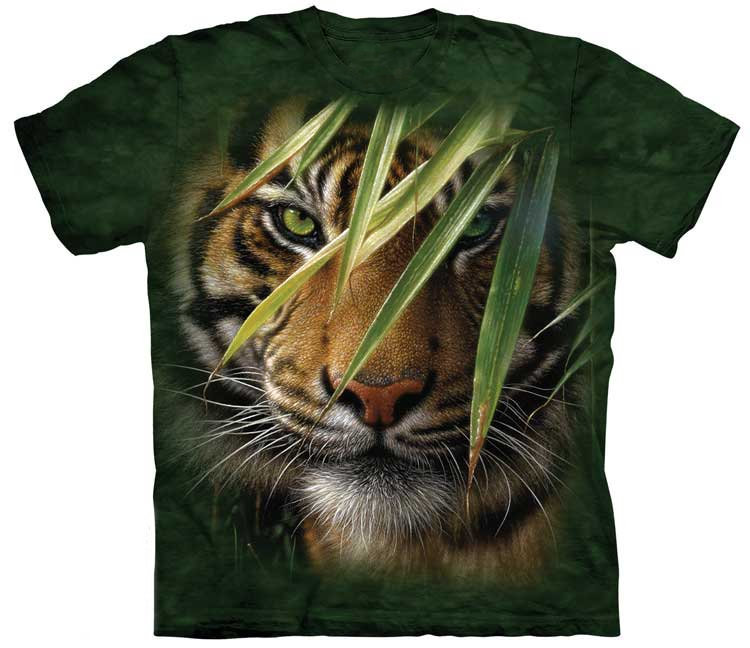
Where Do Tigers Live and Why It’s Crucial for Conservation
Tigers, those majestic striped wonders of the wild, have captivated the hearts of nature lovers and conservationists alike. But where do tigers live, and why is their habitat so crucial for their survival and ours? Across the lush forests of India to the dense jungles of Southeast Asia and the Siberian wilderness, these magnificent creatures roam vast territories that are essential to maintaining healthy ecosystems. Sadly, habitat destruction threatens their wild tiger range, making tiger conservation more important than ever. Join us as we explore the fascinating world of tiger ecology, uncovering the secrets of their natural homes and discovering why safeguarding these areas is vital for ensuring thriving tiger populations. Plus, learn how you can support this cause with our eco-friendly, animal-themed t-shirts crafted from sustainable materials, perfect for the fashion-forward animal lover.

Understanding Tiger Habitats
Natural Habitats of Tigers
Tigers thrive in diverse environments, each offering unique resources essential for their survival. They are primarily found in the tropical rainforests and grasslands of India, where the lush vegetation provides cover and abundant prey. In Southeast Asia, tigers inhabit dense jungles with complex ecosystems teeming with life. The Siberian tigers, known for their size, adapt to the harsh, cold climates of the northern forests, relying on their thick fur and hunting prowess. These natural habitats are critical for maintaining the delicate balance of tiger ecology. However, habitat destruction, driven by human activities like deforestation and urban expansion, poses a severe threat to the wild tiger range. Preserving these environments is crucial not only for tigers but also for the myriad species coexisting within these ecosystems. Ensuring the survival of these majestic creatures depends heavily on protecting their natural homes from further degradation.
Wild Tiger Range and Distribution
The wild tiger range once stretched across vast portions of Asia, from Turkey in the west to the eastern coast of Russia. Today, their distribution has significantly decreased due to habitat destruction and poaching. Tigers are now primarily confined to isolated pockets within the Indian subcontinent, Southeast Asia, and the Russian Far East. India is home to the largest population, with its national parks and wildlife sanctuaries offering refuge to these endangered species. In Southeast Asia, countries like Indonesia, Malaysia, and Thailand host smaller populations, often in fragmented habitats. The Siberian tigers, the largest subspecies, roam the expansive forests of eastern Russia. Each of these regions plays a critical role in sustaining global tiger populations, highlighting the importance of international cooperation in tiger conservation efforts. Protecting and connecting these fragmented habitats is essential to ensuring the long-term survival of tigers in the wild.
Factors Influencing Tiger Ecology
Tiger ecology is shaped by various factors, influencing their behavior, distribution, and survival. Prey availability is a primary determinant, as tigers require large territories rich in animals like deer and wild boar to sustain themselves and their cubs. The size of these territories varies depending on prey density and habitat quality. Human activities, particularly deforestation and habitat fragmentation, dramatically impact these areas, shrinking the available space for tigers to roam and hunt. Additionally, climate change poses a growing threat, altering the ecosystems that tigers depend on. Another critical factor is genetic diversity; isolated populations can suffer from inbreeding, which weakens resilience and adaptability. Conservation efforts focus on mitigating these influences by preserving natural habitats and establishing wildlife corridors to connect fragmented populations. Understanding these ecological factors is essential for crafting effective strategies to ensure the future of tiger populations in their natural environments.

Importance of Tiger Conservation
Challenges of Habitat Destruction
Habitat destruction stands as a formidable challenge to tiger conservation, leading to dire consequences for these majestic creatures. Rapid urbanization and agricultural expansion encroach upon the forests and grasslands that tigers call home. This loss of habitat not only reduces their living space but also fragments their territories, isolating populations and making it difficult for them to find mates, which is crucial for maintaining genetic diversity. Additionally, human-wildlife conflict escalates as tigers wander into human settlements in search of food, often resulting in tragic outcomes for both tigers and people. Illegal logging and mining further degrade the environment, stripping away the natural cover and resources tigers rely on. The cumulative effect of these challenges is a shrinking wild tiger range, pushing populations towards the brink of extinction. Addressing habitat destruction is imperative for reversing this trend and ensuring that tigers can thrive in their native ecosystems.
Strategies for Protecting Tiger Populations
Protecting tiger populations requires a multifaceted approach that addresses both ecological and human factors. Establishing and expanding protected areas is crucial, ensuring tigers have safe, vast territories to hunt and reproduce. Wildlife corridors that connect fragmented habitats play a vital role in promoting genetic diversity and reducing conflicts as they allow tigers to move freely between different regions. Anti-poaching efforts are also critical; increasing patrols and using technology like drones and camera traps helps deter illegal hunting and logging activities. Engaging local communities in conservation efforts can foster coexistence, as sustainable livelihoods reduce reliance on resources that threaten tiger habitats. Education and awareness campaigns highlight the importance of tigers to ecosystems, garnering public support for conservation initiatives. Additionally, international cooperation and funding aid in the implementation of these strategies, ensuring that efforts are not limited by political or geographical boundaries. These combined strategies offer hope for the long-term survival of tiger populations.
Community Involvement in Conservation Efforts
Community involvement is pivotal to the success of tiger conservation efforts. Local communities often live in close proximity to tiger habitats, and their daily activities can significantly impact these environments. By engaging these communities in conservation projects, we can create a sense of ownership and responsibility for protecting tiger populations. Initiatives such as providing alternative livelihoods reduce dependency on activities that harm tiger habitats, like poaching or illegal logging. Education programs raise awareness about the ecological importance of tigers, fostering a culture of coexistence. Community-driven monitoring and anti-poaching patrols empower locals to actively participate in safeguarding their natural heritage. Moreover, involving communities in ecotourism offers economic benefits while promoting conservation goals. These collaborative efforts not only enhance the effectiveness of conservation strategies but also ensure that the benefits of preserving tiger populations are shared equitably. By working together, communities and conservationists can create sustainable solutions for the future of tigers.
The Role of Eco-Friendly Choices
Impact of Sustainable Materials
Choosing sustainable materials can significantly impact the environment, including the conservation of tiger habitats. Sustainable materials, such as organic cotton and recycled fibers, reduce the ecological footprint of products. These materials require less water, fewer chemicals, and lower energy consumption during production. By minimizing resource use and pollution, sustainable materials help protect the natural environments tigers depend on. Moreover, sustainable production processes often prioritize ethical labor practices and biodiversity conservation, aligning with broader environmental goals. As consumers increasingly demand eco-friendly products, industries are incentivized to adopt sustainable practices, further reducing habitat destruction. Supporting products made from sustainable materials, like our animal-themed t-shirts, not only helps protect the environment but also raises awareness about conservation issues. Each eco-conscious choice contributes to preserving the delicate balance of ecosystems, ensuring a healthier planet for all species, including tigers. By embracing sustainable materials, we take a vital step towards a more balanced coexistence with nature.
Connecting Fashion with Tiger Conservation
Fashion can play a surprising role in tiger conservation by promoting awareness and sustainable practices. By choosing clothing made from eco-friendly materials, such as organic cotton or recycled polyester, consumers can directly support efforts to reduce habitat destruction caused by conventional farming and manufacturing processes. Brands that prioritize sustainability often engage in conservation initiatives, donating a portion of their profits to wildlife protection projects. Additionally, fashion items featuring animal-themed designs can spark conversations about the importance of preserving tiger populations and their habitats. Wearing such items allows individuals to express their commitment to environmental causes while influencing others to consider their ecological impact. This connection between fashion and conservation empowers consumers to make choices that align with their values, creating a ripple effect of awareness and action. By integrating sustainability into fashion choices, we can collectively contribute to a future where tigers and their ecosystems thrive.
A Closer Look at Octopus Smarts
Dive into the World of Cephalopod Intelligence: A Closer Look at Octopus Smarts Forget everything you think you know about marine animal intelligence. Octopuses challenge nearly every idea about how smart sea creatures can be. When you ask how smart are octopuses, the answers come from surprising behaviors and problem-solving skills that rival some mammals. […]
Meet the Animals with the Best Memory
Surprising Animal Intelligence: Meet the Animals with the Best Memory Most people think elephants top the list for animals with best memory. But your mind will shift once you meet creatures whose recall beats even the giants. These surprising animal facts will change how you see memory in animals—and why some species never forget a […]
The Hidden Meanings Behind Tail Chasing
Dogs’ Mental Health: The Hidden Meanings Behind Tail Chasing You might laugh when your dog spins in circles chasing its tail, but that funny habit hides more than just playfulness. Tail chasing behavior can reveal surprising clues about your dog’s mental health and well-being. Understanding why dogs chase their tails helps you spot when this […]
Do Animals Grieve Like Us?
Exploring Animal Behavior: Do Animals Grieve Like Us? You’ve seen your pet act strangely after losing a companion—maybe they stopped eating or seemed withdrawn. These moments make you wonder: do animals grieve like we do? The truth behind animal emotions goes beyond simple instincts, revealing stories that touch the heart and surprising scientific findings. Let’s […]
Practical Advice for Preventing Birds Hitting Windows
Creating a Bird-Safe Home: Practical Advice for Preventing Birds Hitting Windows Birds hitting windows cause more harm than you might think. You watch a beautiful bird only to see it crash into your glass, leaving you wondering why it happened. This problem isn’t just about accidents—it’s about keeping your home safe for the birds outside. […]
A Comprehensive Animal Lifespan Guide
Common Pets Lifespans and Wild Animal Ages: A Comprehensive Animal Lifespan Guide Most pet owners guess their furry friends live as long as other pets they know. The truth about animal lifespan comparison often surprises even the biggest animal lovers. This guide breaks down common pets lifespans alongside wild animal ages so you can see […]
Normal Cat Sleep Patterns Explained
Understanding Your Cat: Normal Cat Sleep Patterns Explained Cats spend up to 16 hours a day snoozing, and that often leaves owners wondering why do cats sleep so much. It’s easy to worry when your furry friend seems glued to their bed all day. But those long naps actually follow normal cat sleep patterns that […]
Unraveling the Mystery of Dog Behavior and Attachment
Pet Owner Insights: Unraveling the Mystery of Dog Behavior and Attachment Most dog owners notice one thing right away: their dog never seems to want to be far from their side. This constant shadow isn’t just clinginess—it’s a window into your dog’s pack mentality and deep bond with you. Understanding why dogs follow you everywhere […]
Why Cats Knead and What It Means for You
Animal Behaviorists Explain: Why Cats Knead and What It Means for You Cats kneading blankets or your lap might seem like a simple, cute habit. But if you’ve ever wondered why your cat does this strange motion, you’re not alone. Animal behaviorists reveal that this action holds deeper meaning tied to your cat’s feelings and […]
Why Your Dog Licks You and What It Means
Veterinary Science Explains: Why Your Dog Licks You and What It Means Most dog owners notice licking but miss what it really means. Your dog’s tongue sends messages beyond just affection. Understanding why do dogs lick you reveals surprising reasons rooted in veterinary science. Read on to uncover seven clear explanations that shed light on […]
Read more interesting animal facts here
Follow us on Facebook and Twitter to receive 10% off your order!
Size Chart – Dropship – Contact Us – Track Order
Baby Onesies – Hoodies – Ladies Tee Shirts – Long Sleeve Shirts – Mini Dresses – Aquatic – Bears – Big Cats – Birds – Bison – Cats – Deer – Dinosaurs – Dogs – Dolphins – Dragons – Eagles – Elephants – Fairies – Farm Animals – Frogs – Giraffes – Horses – Lions – Moose – Native American Indians – Other – Outdoor – Patriotic – Peace – Primates – Reptiles – Scary – Tigers – Unicorns – Wolf – Hats