

How Fast Can a Tiger Run and Why It Matters to Animal Lovers
Did you know that tigers, the majestic rulers of the jungle, can sprint at speeds up to 40 miles per hour? This incredible tiger speed is not just a fascinating fact for wildlife enthusiasts but also a crucial aspect of understanding these magnificent big cats. As we delve into how fast a tiger can run, we’ll uncover why this matters for animal lovers who are passionate about conservation. Imagine the power and grace required to achieve such velocity, a testament to their role as apex predators. Stay tuned as we explore thrilling tiger facts and discuss how these insights can inspire us to protect their habitats and celebrate their beauty through eco-friendly, animal-themed t-shirts made from sustainable materials.
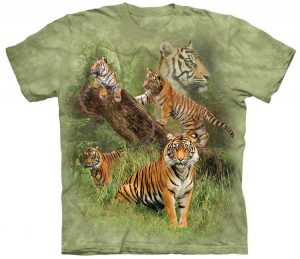
Understanding Tiger Speed
How Fast Can a Tiger Run?
Tigers, with their iconic stripes and imposing presence, are among the swiftest predators in the animal kingdom. They can sprint up to 40 miles per hour in short bursts, making them formidable hunters. This impressive speed is essential for their survival, allowing them to swiftly close in on prey and capture it with precision. However, tigers typically don’t maintain this top speed for long distances. Their powerful hind legs and muscular build are optimized for quick dashes rather than endurance running. This characteristic sets them apart from other big cats, like cheetahs, which are designed for both speed and a bit more stamina. Understanding how fast a tiger can run helps us appreciate the delicate balance of power and agility that defines these magnificent creatures. Such knowledge underscores the importance of preserving their natural habitats, where they can roam freely and utilize their abilities to the fullest.
Factors Influencing Tiger Speed
Several factors influence a tiger’s speed, shaping how these majestic creatures hunt and survive in the wild. Firstly, their muscular build is a key determinant. Tigers possess strong, well-developed hind legs that provide explosive power, crucial for rapid acceleration. Their body size also plays a role; larger tigers may not reach the highest speeds but benefit from greater strength. Age and health significantly affect their running capability as well. Younger, healthier tigers can sprint faster than older or injured ones. Additionally, the environment impacts their speed. Dense forests or rugged terrains can limit their ability to move swiftly, while open areas may offer more space to sprint. Lastly, the need to conserve energy for long hunts means that tigers often rely on stealth and strategy rather than speed alone. Each of these factors highlights the complex interplay between biology and environment that defines big cats’ speed and hunting tactics.

Importance of Tiger Speed to Animal Lovers
Conservation Efforts and Tiger Facts
Conservation efforts are vital to ensuring that future generations can marvel at the tiger’s speed and majesty. These initiatives focus not only on protecting the tigers themselves but also on preserving their natural habitats. Habitat destruction poses a significant threat to their survival, limiting the space where they can exhibit their remarkable speed and hunting skills. Organizations worldwide are working tirelessly to create reserves and enact policies that protect these areas. Additionally, spreading awareness about tiger facts, such as their incredible speed and ecological importance, is crucial for garnering support from animal lovers and the public. Engaging communities in conservation projects helps foster a sense of responsibility and pride in preserving these majestic creatures. By understanding and sharing these insights, we can inspire actions that contribute to sustainable habitats. Simple choices, like purchasing eco-friendly and animal-themed apparel, support conservation and raise awareness about the plight of these incredible big cats.
Big Cats Speed in the Wild
In the wild, the speed of big cats is a fascinating and essential trait that aids their survival. Tigers, for example, can sprint up to 40 miles per hour, but they aren’t alone in this ability. Other big cats, like lions and leopards, also boast impressive speeds. Lions can reach about 50 miles per hour in short bursts, which is crucial when hunting in open savannas. Meanwhile, leopards, known for their stealth, can hit speeds of 36 miles per hour, using their agility to navigate dense forests. These varying speeds highlight the adaptability and specialization of each species in their respective environments. Understanding these animal running speeds provides insights into their hunting strategies and territorial behaviors. For animal lovers, this knowledge enriches the appreciation of big cats’ roles in their ecosystems. It also emphasizes the importance of ensuring that these environments remain intact and protected for future generations.
A Closer Look at Octopus Smarts
Dive into the World of Cephalopod Intelligence: A Closer Look at Octopus Smarts Forget everything you think you know about marine animal intelligence. Octopuses challenge nearly every idea about how smart sea creatures can be. When you ask how smart are octopuses, the answers come from surprising behaviors and problem-solving skills that rival some mammals. […]
Meet the Animals with the Best Memory
Surprising Animal Intelligence: Meet the Animals with the Best Memory Most people think elephants top the list for animals with best memory. But your mind will shift once you meet creatures whose recall beats even the giants. These surprising animal facts will change how you see memory in animals—and why some species never forget a […]
The Hidden Meanings Behind Tail Chasing
Dogs’ Mental Health: The Hidden Meanings Behind Tail Chasing You might laugh when your dog spins in circles chasing its tail, but that funny habit hides more than just playfulness. Tail chasing behavior can reveal surprising clues about your dog’s mental health and well-being. Understanding why dogs chase their tails helps you spot when this […]
Do Animals Grieve Like Us?
Exploring Animal Behavior: Do Animals Grieve Like Us? You’ve seen your pet act strangely after losing a companion—maybe they stopped eating or seemed withdrawn. These moments make you wonder: do animals grieve like we do? The truth behind animal emotions goes beyond simple instincts, revealing stories that touch the heart and surprising scientific findings. Let’s […]
Practical Advice for Preventing Birds Hitting Windows
Creating a Bird-Safe Home: Practical Advice for Preventing Birds Hitting Windows Birds hitting windows cause more harm than you might think. You watch a beautiful bird only to see it crash into your glass, leaving you wondering why it happened. This problem isn’t just about accidents—it’s about keeping your home safe for the birds outside. […]
A Comprehensive Animal Lifespan Guide
Common Pets Lifespans and Wild Animal Ages: A Comprehensive Animal Lifespan Guide Most pet owners guess their furry friends live as long as other pets they know. The truth about animal lifespan comparison often surprises even the biggest animal lovers. This guide breaks down common pets lifespans alongside wild animal ages so you can see […]
Normal Cat Sleep Patterns Explained
Understanding Your Cat: Normal Cat Sleep Patterns Explained Cats spend up to 16 hours a day snoozing, and that often leaves owners wondering why do cats sleep so much. It’s easy to worry when your furry friend seems glued to their bed all day. But those long naps actually follow normal cat sleep patterns that […]
Unraveling the Mystery of Dog Behavior and Attachment
Pet Owner Insights: Unraveling the Mystery of Dog Behavior and Attachment Most dog owners notice one thing right away: their dog never seems to want to be far from their side. This constant shadow isn’t just clinginess—it’s a window into your dog’s pack mentality and deep bond with you. Understanding why dogs follow you everywhere […]
Why Cats Knead and What It Means for You
Animal Behaviorists Explain: Why Cats Knead and What It Means for You Cats kneading blankets or your lap might seem like a simple, cute habit. But if you’ve ever wondered why your cat does this strange motion, you’re not alone. Animal behaviorists reveal that this action holds deeper meaning tied to your cat’s feelings and […]
Why Your Dog Licks You and What It Means
Veterinary Science Explains: Why Your Dog Licks You and What It Means Most dog owners notice licking but miss what it really means. Your dog’s tongue sends messages beyond just affection. Understanding why do dogs lick you reveals surprising reasons rooted in veterinary science. Read on to uncover seven clear explanations that shed light on […]
Read more interesting animal facts here
Follow us on Facebook and Twitter to receive 10% off your order!
Size Chart – Dropship – Contact Us – Track Order
Baby Onesies – Hoodies – Ladies Tee Shirts – Long Sleeve Shirts – Mini Dresses – Aquatic – Bears – Big Cats – Birds – Bison – Cats – Deer – Dinosaurs – Dogs – Dolphins – Dragons – Eagles – Elephants – Fairies – Farm Animals – Frogs – Giraffes – Horses – Lions – Moose – Native American Indians – Other – Outdoor – Patriotic – Peace – Primates – Reptiles – Scary – Tigers – Unicorns – Wolf – Hats