
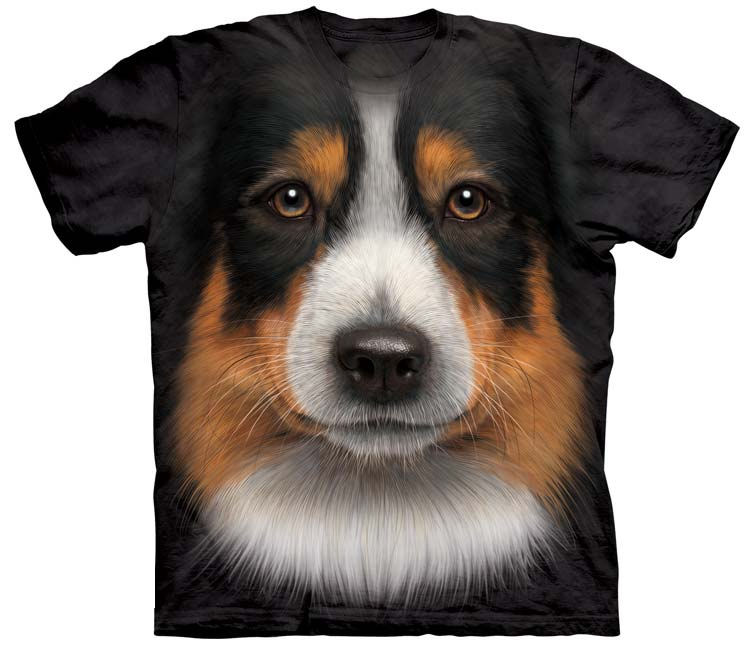
Sensory Superpowers: Exploring How Dog Whiskers Aid in Navigation and Socialization
Dogs possess a remarkable array of sensory abilities that often go unnoticed, and among these, their whiskers stand out as a key tool for both navigation and interaction. These specialized hairs, far more than just simple facial adornments, play a crucial role in sensory perception in dogs, enabling them to detect subtle changes in their environment. As we delve into the intriguing world of dog whiskers, we’ll uncover how these tactile sensors contribute to canine spatial awareness and aid in communication with both humans and other animals. By understanding the importance of whiskers in dogs, pet owners and animal enthusiasts alike can gain deeper insights into how dogs navigate with whiskers and the sophisticated ways these animals perceive the world around them. Join us as we explore the hidden functions of dog whiskers and the superpowers they bestow upon our furry companions.

Understanding Dog Whiskers
Dog whiskers are fascinating features that serve multiple purposes beyond their aesthetic appeal. By understanding their anatomy and function, we can appreciate their importance in the daily lives of dogs.
Importance of Whiskers in Dogs
Whiskers are essential for dogs, playing a significant role in their ability to interact with the world. These tactile hairs are deeply embedded in the skin and connected to the animal’s nervous system, providing critical sensory information. They act as a radar, helping dogs gauge their surroundings and respond to changes in their environment.
Moreover, whiskers assist in detecting objects, even in low-light conditions, enabling dogs to navigate easily. This makes them crucial for both safety and social communication. Understanding the importance of whiskers in dogs allows us to better cater to our pets’ needs and enrich their experiences.
Whiskers are more than just facial hair; they are sophisticated tools that enhance a dog’s sensory perception, making them indispensable for any canine companion.
Anatomy of Dog Whiskers
The anatomy of dog whiskers is quite unique. These special hairs, also known as vibrissae, are thicker and stiffer than regular fur. They’re deeply rooted in the dog’s skin, reaching into a rich nerve bed that makes them highly sensitive to touch.
Whiskers are strategically placed on a dog’s face, with clusters above the eyes, on the muzzle, and under the chin. Each whisker follicle is surrounded by blood vessels and nerves, allowing them to detect minute changes in the environment.
This complex structure is what enables whiskers to serve as effective sensory tools. They help dogs sense objects or movements near their face without direct contact, thereby aiding in navigation and interaction.
Understanding the anatomy of whiskers provides insight into how they function and why they are essential for dogs.
Dog Whiskers Function
The function of dog whiskers extends beyond mere decoration. These tactile sensors provide dogs with a heightened sense of awareness about their surroundings and are critical for communication.
-
Detection of Objects: Whiskers can detect slight changes in air currents, alerting dogs to nearby obstacles, even in the dark.
-
Communication: Dogs use whiskers to convey emotions, such as fear or curiosity, enhancing their interaction with other animals and humans.
-
Environmental Awareness: Whiskers help dogs judge the width of spaces, preventing them from getting stuck in tight spots.
By exploring the functionality of dog whiskers, we can better understand how these features contribute to a dog’s sensory perception and overall well-being.
Role in Sensory Perception
Whiskers are integral to a dog’s sensory perception. They provide detailed information about the environment, contributing to the dog’s ability to sense and react to changes around them.
Sensory Perception in Dogs
Dogs rely heavily on sensory perception for survival and interaction. Whiskers are a crucial component of this system, enhancing a dog’s ability to interpret its environment. These specialized hairs augment the dog’s senses, particularly in low-visibility conditions.
Whiskers detect vibrations and changes in air pressure, enabling dogs to sense approaching objects or potential threats. This heightened perception allows dogs to react quickly, ensuring their safety and aiding in effective communication.
Moreover, whiskers play a vital role in helping dogs read social cues from other animals. By understanding the nuances of sensory perception in dogs, we can appreciate the complexity of their interactions and enhance our relationship with them.
Whiskers and Environmental Awareness
Whiskers significantly enhance a dog’s environmental awareness. By sensing changes in airflow, they provide dogs with detailed information about their surroundings. This helps them navigate even the most challenging terrains.
In dimly lit environments, whiskers aid in detecting potential obstacles, ensuring the dog can move safely. This ability extends to gauging the size of openings, preventing dogs from attempting to pass through spaces that are too narrow.
These features are particularly beneficial for dogs with impaired vision, as whiskers compensate by offering tactile feedback. Understanding the role of whiskers in environmental awareness underscores their importance in a dog’s daily life.
Enhancing Canine Spatial Awareness
Whiskers play a crucial role in enhancing a dog’s spatial awareness. They allow dogs to perceive their surroundings accurately and navigate with confidence.
How Dogs Navigate With Whiskers
Dogs navigate effectively using their whiskers. These tactile hairs provide vital information about the environment, helping dogs judge distances and avoid obstacles.
-
Mapping the Environment: As dogs move, whiskers measure spatial dimensions, assisting in pathfinding.
-
Avoiding Obstacles: Whiskers detect changes in air currents, alerting dogs to nearby objects without needing to see them.
-
Assessing Openings: Dogs use whiskers to gauge the width of spaces, ensuring they can pass through safely.
Understanding how dogs navigate with whiskers highlights their role in promoting safety and confidence in canine movement.
Whiskers and Obstacle Detection
The ability of whiskers to detect obstacles is a key feature of their functionality. By sensing vibrations in the air, whiskers alert dogs to any changes in their immediate environment.
This capability is especially useful when dogs are exploring new areas or navigating in the dark. Whiskers allow them to detect potential hazards and adjust their path accordingly.
-
Early Detection: Whiskers sense obstacles from a distance, reducing the risk of collisions.
-
Safe Exploration: Dogs can explore confidently, relying on whiskers to guide them through unfamiliar territory.
-
Enhanced Safety: This feature is particularly vital for outdoor excursions, where unseen obstacles may pose a threat.
With whiskers aiding in obstacle detection, dogs can confidently explore their environments with minimized risk.
Communication Through Whiskers
Whiskers are not only sensory tools but also play a role in canine communication. They help convey emotions and facilitate interactions with other animals and humans.
Dog Communication with Whiskers
Whiskers are instrumental in dog communication. They help dogs express emotions and intentions, thus enhancing social interactions.
-
Emotional Signals: Whiskers may change position based on a dog’s emotional state, such as fear or curiosity.
-
Social Cues: Dogs use whiskers to sense the proximity of other animals, aiding in non-verbal communication.
-
Human Interaction: Whiskers help dogs interpret human emotions and respond appropriately, strengthening the bond between pet and owner.
By understanding dog communication with whiskers, we can better interpret their behaviors and improve our interactions with them.
Whiskers in Social Interactions
Whiskers play a significant role in social interactions among dogs. They help convey subtle cues that facilitate communication within the animal kingdom.
In social settings, dogs use whiskers to sense the presence and movements of other animals. This helps them interpret intentions and respond accordingly, ensuring harmonious interactions.
-
Group Dynamics: Whiskers help dogs maintain awareness of their position within a group.
-
Conflict Avoidance: By sensing subtle cues, dogs can avoid confrontations before they escalate.
-
Bonding: Whiskers aid in recognizing familiar individuals, strengthening social bonds.
Understanding the role of whiskers in social interactions can enhance our appreciation of dog communication and improve our relationships with these animals.
Caring for Dog Whiskers
Caring for a dog’s whiskers is crucial to maintaining their sensory abilities and overall well-being. Proper care ensures whiskers remain functional and effective.
Maintaining Healthy Whiskers
Maintaining healthy whiskers involves simple but essential practices. Since whiskers are sensitive, they require gentle handling to avoid damage.
-
Avoid Cutting: Never trim a dog’s whiskers, as it diminishes their sensory perception.
-
Gentle Grooming: Handle a dog’s face with care, avoiding unnecessary pressure on the whiskers.
-
Regular Health Checks: Inspect whiskers for any signs of damage or loss, consulting a vet if issues arise.
By ensuring whiskers remain intact and healthy, dogs can continue to navigate their environment effectively and communicate efficiently.
Do’s and Don’ts for Dog Owners
Here are some do’s and don’ts for dog owners regarding whisker care:
Do’s:
-
Allow whiskers to grow naturally without interference.
-
Provide a safe environment to prevent whisker damage.
-
Educate family members on the importance of whiskers.
Don’ts:
-
Don’t trim or pluck a dog’s whiskers.
-
Avoid harsh shampoos that could irritate the whisker follicles.
-
Refrain from unnecessary touching or pulling of whiskers.
By following these guidelines, dog owners can ensure their pets retain their sensory capabilities, promoting overall well-being and happiness.

A Closer Look at Octopus Smarts
Dive into the World of Cephalopod Intelligence: A Closer Look at Octopus Smarts Forget everything you think you know about marine animal intelligence. Octopuses challenge nearly every idea about how smart sea creatures can be. When you ask how smart are octopuses, the answers come from surprising behaviors and problem-solving skills that rival some mammals. […]
Meet the Animals with the Best Memory
Surprising Animal Intelligence: Meet the Animals with the Best Memory Most people think elephants top the list for animals with best memory. But your mind will shift once you meet creatures whose recall beats even the giants. These surprising animal facts will change how you see memory in animals—and why some species never forget a […]
The Hidden Meanings Behind Tail Chasing
Dogs’ Mental Health: The Hidden Meanings Behind Tail Chasing You might laugh when your dog spins in circles chasing its tail, but that funny habit hides more than just playfulness. Tail chasing behavior can reveal surprising clues about your dog’s mental health and well-being. Understanding why dogs chase their tails helps you spot when this […]
Do Animals Grieve Like Us?
Exploring Animal Behavior: Do Animals Grieve Like Us? You’ve seen your pet act strangely after losing a companion—maybe they stopped eating or seemed withdrawn. These moments make you wonder: do animals grieve like we do? The truth behind animal emotions goes beyond simple instincts, revealing stories that touch the heart and surprising scientific findings. Let’s […]
Practical Advice for Preventing Birds Hitting Windows
Creating a Bird-Safe Home: Practical Advice for Preventing Birds Hitting Windows Birds hitting windows cause more harm than you might think. You watch a beautiful bird only to see it crash into your glass, leaving you wondering why it happened. This problem isn’t just about accidents—it’s about keeping your home safe for the birds outside. […]
A Comprehensive Animal Lifespan Guide
Common Pets Lifespans and Wild Animal Ages: A Comprehensive Animal Lifespan Guide Most pet owners guess their furry friends live as long as other pets they know. The truth about animal lifespan comparison often surprises even the biggest animal lovers. This guide breaks down common pets lifespans alongside wild animal ages so you can see […]
Normal Cat Sleep Patterns Explained
Understanding Your Cat: Normal Cat Sleep Patterns Explained Cats spend up to 16 hours a day snoozing, and that often leaves owners wondering why do cats sleep so much. It’s easy to worry when your furry friend seems glued to their bed all day. But those long naps actually follow normal cat sleep patterns that […]
Unraveling the Mystery of Dog Behavior and Attachment
Pet Owner Insights: Unraveling the Mystery of Dog Behavior and Attachment Most dog owners notice one thing right away: their dog never seems to want to be far from their side. This constant shadow isn’t just clinginess—it’s a window into your dog’s pack mentality and deep bond with you. Understanding why dogs follow you everywhere […]
Why Cats Knead and What It Means for You
Animal Behaviorists Explain: Why Cats Knead and What It Means for You Cats kneading blankets or your lap might seem like a simple, cute habit. But if you’ve ever wondered why your cat does this strange motion, you’re not alone. Animal behaviorists reveal that this action holds deeper meaning tied to your cat’s feelings and […]
Why Your Dog Licks You and What It Means
Veterinary Science Explains: Why Your Dog Licks You and What It Means Most dog owners notice licking but miss what it really means. Your dog’s tongue sends messages beyond just affection. Understanding why do dogs lick you reveals surprising reasons rooted in veterinary science. Read on to uncover seven clear explanations that shed light on […]
The Most Loyal Animals in the World
Animal Loyalty Unveiled: The Most Loyal Animals in the World Most people assume loyalty is just a human trait, but science tells a different story. Some animals form bonds so strong they stay by your side through thick and thin. If you’ve ever wondered which creatures top the list of the most loyal animals, this […]
Animals That Play Dead and Their Clever Defense Techniques
Exploring the Strategy: Animals That Play Dead and Their Clever Defense Techniques Most animals flee or fight when danger appears. Yet some choose a startling tactic: playing dead. Animals that play dead use this surprising move to trick predators into losing interest. In this post, you’ll uncover the clever reasons behind this unusual defense and […]