Understanding the Gray Wolf and Beyond: A Look at Wolf Subspecies
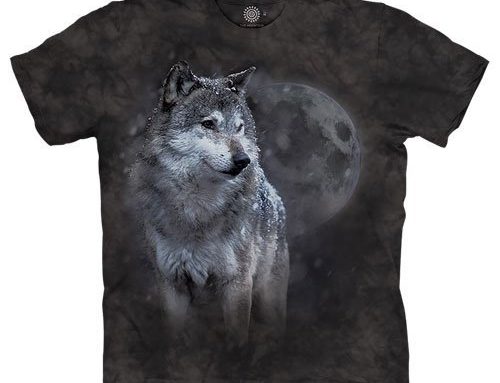
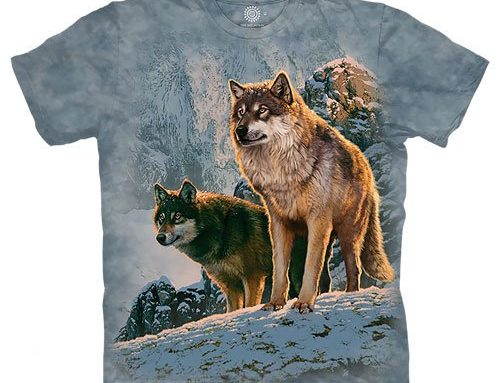
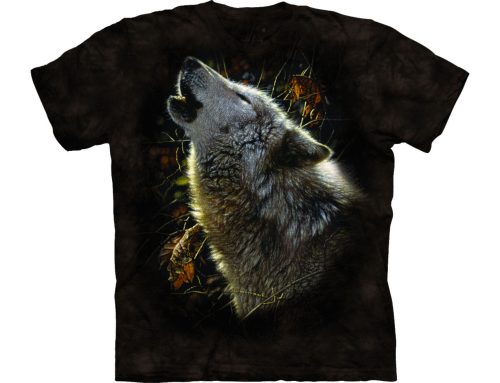
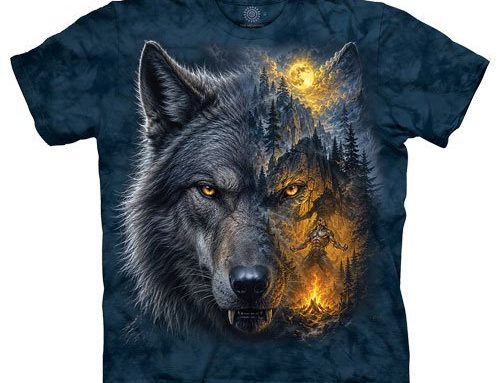
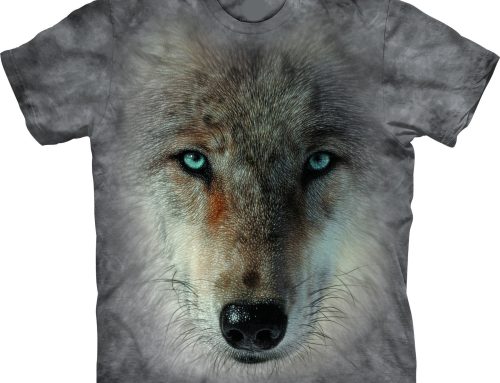
Forget everything you think you know about wolves. These creatures are far more diverse than just the gray wolf story you’ve heard a thousand times. You’re about to explore wolf species and subspecies that adapt to vastly different habitats and show surprising behaviors. Stick around to see how these animals shape their ecosystems and why their conservation matters more than ever. Check out this adventure wolf shirt to embrace your wild side.
CLICK HERE TO SEE BEAUTIFUL WOLF SHIRTS
Gray Wolf: The Iconic Predator
Diving into the world of wolves starts with the most renowned: the gray wolf. This species captivates with its fierce reputation and social dynamics.
Characteristics and Behavior
The gray wolf is known for its pack mentality. These animals live in close-knit family units, working together to hunt and raise their young. This collaboration ensures their survival in the wild. Typically, a pack consists of a dominant pair and their offspring. Each member has a role, from hunting to protecting the territory.
Understanding their behavior reveals a complex social structure. Wolves communicate through howls, body language, and scent marking. This network of interaction helps them maintain order and cooperate efficiently. The gray wolf’s adaptability allows it to thrive in diverse environments, from forests to plains.
Natural Habitats and Adaptations
Gray wolves are versatile, living in a range of habitats. They can be found in North America, Europe, and Asia, showcasing their adaptability. Each region presents unique challenges, from harsh winters to expansive deserts. Yet, wolves adjust their hunting strategies and diets to match local conditions.
Their keen sense of smell and sharp hearing assist them in tracking prey over long distances. Gray wolves can cover great distances, sometimes traveling over 30 miles a day. This endurance is critical for their survival, especially in regions with fluctuating prey availability.
Conservation Efforts and Challenges
Protecting the gray wolf involves numerous challenges. Habitat loss and human-wildlife conflict threaten their populations. Conservationists work tirelessly to balance wolf protection and human interests. Programs aim to restore populations through reintroduction and legal protection.
Efforts face opposition from those who see wolves as threats to livestock. Education and coexistence strategies are vital to foster understanding and support for these majestic predators. Ensuring the gray wolf’s future requires collaboration between communities, governments, and conservationists.
Arctic Wolf: Survival in the Cold
As we move from forests to icy realms, the Arctic wolf shows us its unique ability to endure the coldest environments on Earth.
Unique Traits of Arctic Wolves
Arctic wolves possess several adaptations that enable them to survive in freezing conditions. Their thick, white fur provides insulation and camouflage against the snow. Unlike other wolves, Arctic wolves have smaller ears and shorter muzzles to minimize heat loss.
These wolves are smaller than their southern cousins, which helps them conserve heat. They also have strong, muscular bodies that allow them to travel through deep snow and rugged terrain. This resilience is crucial for their survival in an isolated, harsh habitat.
Life in Arctic Environments
Living in the Arctic demands resourcefulness. Prey is scarce, so Arctic wolves travel extensively to find food. They primarily hunt muskoxen and Arctic hares, relying on teamwork to capture these elusive animals. Their keen senses help them locate prey hidden beneath the snow.
Arctic wolves often endure months without sunlight during polar nights. Their ability to adapt to these extreme conditions showcases their remarkable resilience. They thrive where few other predators can, highlighting their unique place in nature.
Conservation of Arctic Wolves
Arctic wolves face fewer threats from humans due to their remote habitat. However, climate change poses significant risks. Melting ice disrupts their hunting grounds and alters prey availability. Conservation efforts focus on monitoring populations and preserving their environment.
Protecting Arctic wolves involves safeguarding their natural habitat. Encouraging sustainable practices and reducing human impact are vital steps for their future. These efforts aim to ensure the survival of Arctic wolves in a rapidly changing world.
Red Wolf: A Species on the Brink
Moving from icy tundras to warmer climates, the red wolf’s story highlights the challenges faced by endangered species.
Distinctive Features and Traits
Red wolves stand out with their reddish-tan coats and smaller size compared to gray wolves. These wolves are highly adaptable, living in forests, swamps, and coastal prairies. Despite their versatility, they face severe threats to their existence.
Red wolves are known for their agility and stealth. They hunt small mammals, such as rabbits and rodents, to sustain themselves. Their ability to blend into diverse environments showcases their adaptability, yet this hasn’t shielded them from endangerment.
Conservation Status and Efforts
The red wolf is one of the world’s most endangered canids. Habitat destruction and hybridization with coyotes have drastically reduced their numbers. Conservationists are working to reintroduce red wolves into protected areas and restore their populations.
Efforts include captive breeding programs and habitat restoration. Education and community involvement play crucial roles in successful conservation. Protecting red wolves requires a committed approach to ensure their survival and ecological role.
Role in Ecosystems
Red wolves play a critical role in maintaining ecosystem balance. As predators, they help control prey populations, preventing overgrazing and preserving plant diversity. Their presence benefits entire ecosystems, demonstrating the importance of their conservation.
Healthy ecosystems rely on the predator-prey balance maintained by red wolves. Protecting these wolves ensures the continued health of their habitats and the species they support. Their survival is vital for ecological stability and biodiversity.
Wolf Subspecies Around the World
As we explore further, we find a variety of wolf subspecies across different continents, each adapted to their unique environments.
European Wolves: Diversity and Habitats
European wolves exhibit remarkable diversity. Found across the continent, they inhabit forests, mountains, and rural areas. These wolves have adapted to coexist with humans, navigating landscapes altered by agriculture and urbanization.
Their adaptability is evident in their varied diets, which include both wild prey and livestock. European wolves face challenges from human expansion, yet conservation measures have helped stabilize some populations. Their resilience showcases nature’s ability to endure amidst change.
Asian Wolves: Adaptation to Diverse Climates
Asian wolves inhabit a wide range of climates, from deserts to mountainous regions. This adaptability is a testament to their resourcefulness. They have evolved to cope with extreme temperatures and scarce resources.
These wolves often travel in smaller packs, relying on strategy and endurance to hunt. Human-wildlife conflicts remain a concern, but initiatives focused on coexistence are underway. Understanding and protecting Asian wolves are crucial for maintaining their populations.
North American Wolves: Range and Variations
North America is home to diverse wolf subspecies, each adapted to its specific habitat. From the tundras of Alaska to the forests of the Great Lakes, these wolves have carved out niches across the continent.
Their ability to thrive in varying environments demonstrates their ecological importance. Efforts to protect these wolves focus on habitat preservation and mitigating human-wildlife conflicts. Understanding their range and behaviors helps in crafting effective conservation strategies.
Importance of Wolf Conservation
Appreciating the diversity of wolves highlights the urgency of conservation efforts to protect these vital predators.
Threats to Wolf Populations
Wolves face numerous threats, including habitat loss, human conflict, and changing climates. These factors challenge their survival and disrupt ecological balance. Conservation strategies must address these issues to secure their future.
Preserving Wolf Habitats
Ensuring wolves’ survival requires protecting their habitats. Efforts focus on restoring ecosystems and promoting sustainable land use. Collaborative approaches involving communities, governments, and conservationists are essential for effective habitat preservation.
The Role of Wolves in Ecosystems
Wolves play a crucial role in maintaining ecological balance. Their presence regulates prey populations, supports biodiversity, and promotes healthy ecosystems. Protecting wolves is vital for sustaining the natural world they help steward.
Frequently Asked Questions
What are the main types of wolves?
Wolves can be grouped into several main types, including the gray wolf, Arctic wolf, and red wolf. Each type has unique characteristics and adaptations suited to their environments.
Why are gray wolves important to ecosystems?
Gray wolves maintain predator-prey balance, which prevents overpopulation of certain species and promotes biodiversity. Their role is crucial for sustaining healthy ecosystems.
How do Arctic wolves survive in extreme conditions?
Arctic wolves have thick fur, smaller ears, and stocky builds to conserve heat. They adapt to scarce prey by traveling long distances and relying on teamwork for hunting.
What challenges do red wolves face?
Red wolves are endangered due to habitat loss, hybridization with coyotes, and human conflict. Conservation efforts focus on reintroduction and habitat restoration.
How can we help conserve wolf populations?
Supporting habitat preservation, promoting coexistence strategies, and raising awareness about wolves’ ecological roles are essential steps in conservation efforts.
CLICK HERE TO SEE BEAUTIFUL WOLF SHIRTS
Size Chart – Dropship – Contact Us – Track Order
Aquatic – Bears – Big Cats – Birds – Bison – Cats – Deer – Dinosaurs – Dogs – Dolphins – Dragons – Eagles – Elephants – Fairies – Farm Animals – Frogs – Giraffes – Horses – Lions – Moose – Native American Indians – Other – Outdoor – Patriotic – Peace – Primates – Reptiles – Scary – Tigers – Unicorns – Wolf

Understanding the Gray Wolf and Beyond: A Look at Wolf Subspecies
Understanding the Gray Wolf and Beyond: A Look at Wolf Subspecies Forget everything you think you know about wolves. These creatures are far more diverse than just the gray wolf story you’ve heard a thousand times. You’re about to explore wolf species and subspecies that adapt to vastly different habitats and show surprising behaviors. Stick […]
Wolves in Art: Unraveling the Mystique of Nature’s Wild Beauty
Wolves in Art: Unraveling the Mystique of Nature’s Wild Beauty Wolves have inspired artists for centuries, yet their allure remains as strong as ever. You might wonder why these creatures keep showing up in wildlife art, capturing attention across cultures and styles. This post will guide you through the striking beauty and rich symbolism of […]
Wildlife T-Shirts: Show Your Love for Nature and Make a Difference in Style
Wildlife T-Shirts: Show Your Love for Nature and Make a Difference in Style Wearing wildlife t-shirts is more than picking a cool design. Your choice shows who you are and what you stand for—caring about nature and protecting animals. These animal shirts can spark real conversations about endangered species and connect you with others who […]
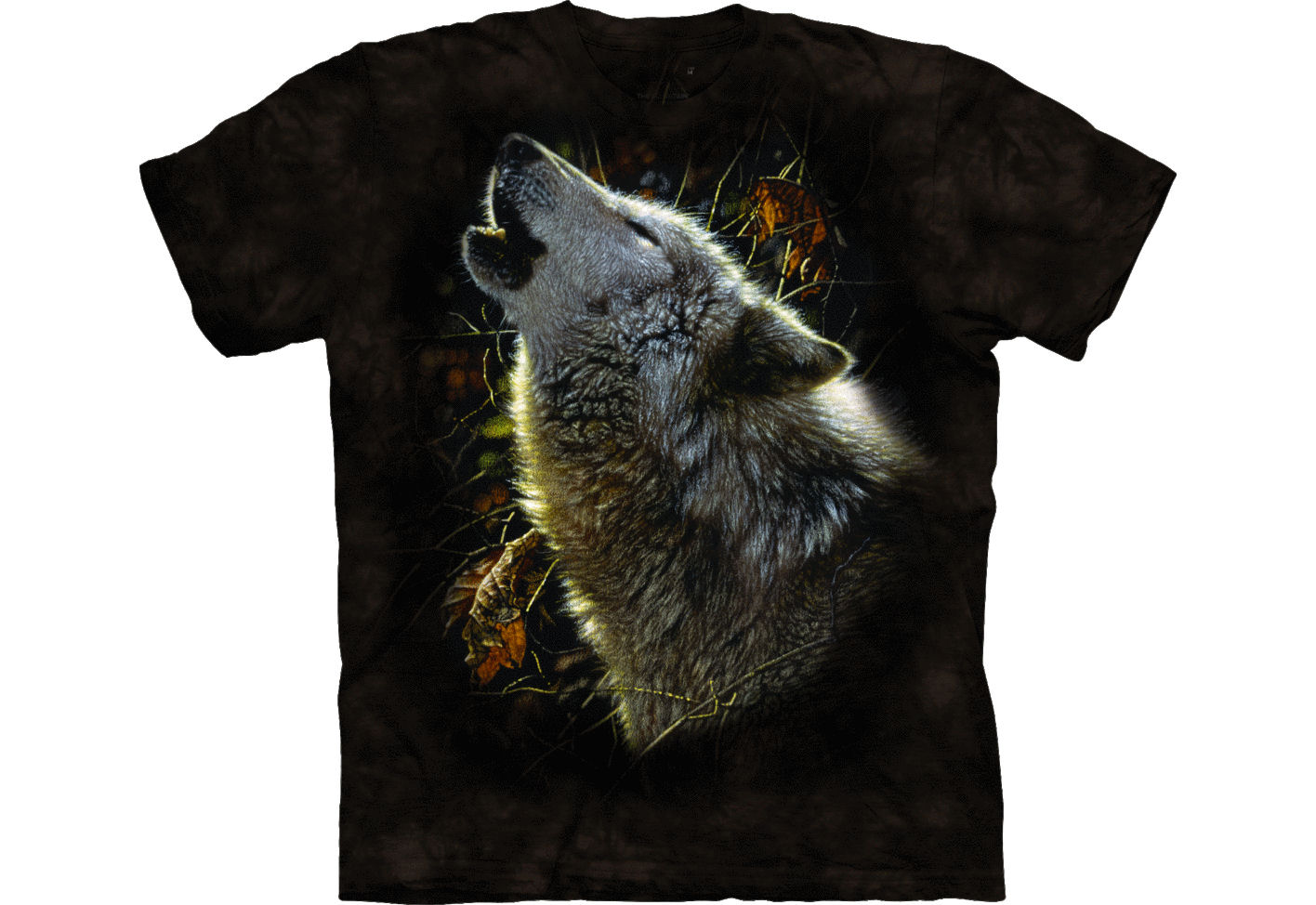
How Wolves Communicate: A Symphony of Howls and Body Language
How Wolves Communicate: A Symphony of Howls and Body Language Wolves don’t just howl for the thrill of it—they use sound and movement to keep their packs connected across miles. If you’ve ever wondered how wolves communicate beyond the eerie calls in the night, you’re about to find out. This post breaks down the signals […]
How to Choose the Perfect Wolf T-Shirt: A Guide for Wildlife Enthusiasts
How to Choose the Perfect Wolf T-Shirt: A Guide for Wildlife Enthusiasts Picking the right wolf shirts can feel overwhelming with so many styles and fabrics out there. You want a wolf t-shirt that shows your love for these wild animals without sacrificing comfort or style. This guide breaks down what matters most—from fit to […]
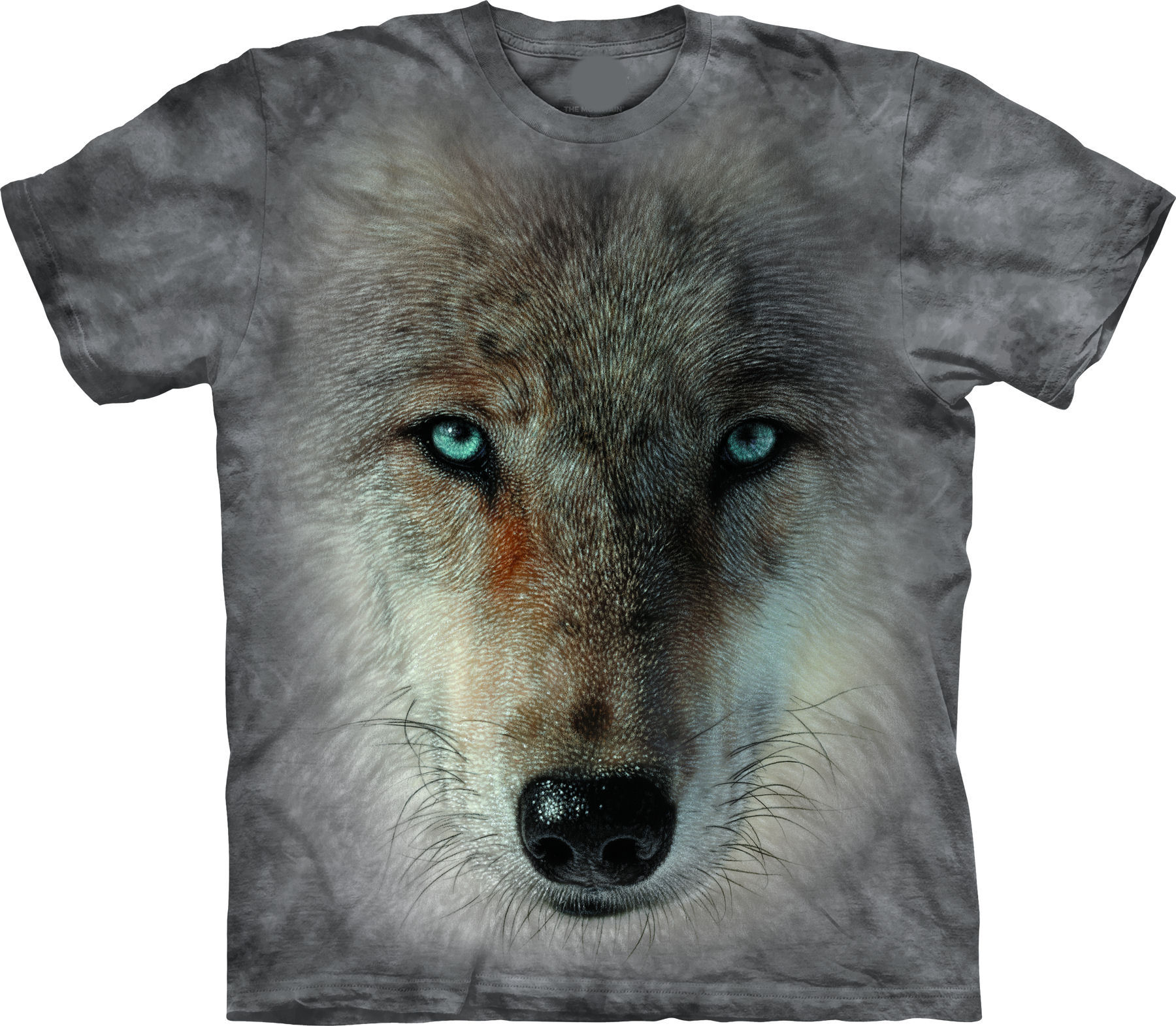
Why Wolf T-Shirts Are a Must-Have for Every Animal Lover’s Wardrobe
Why Wolf T-Shirts Are a Must-Have for Every Animal Lover’s Wardrobe Wolf t-shirts have become more than just clothing for animal lovers—they tell a story of wild spirit and respect for nature. If you’ve noticed how these wolf graphic tees show up everywhere, there’s a reason they connect so deeply with people like you. This […]
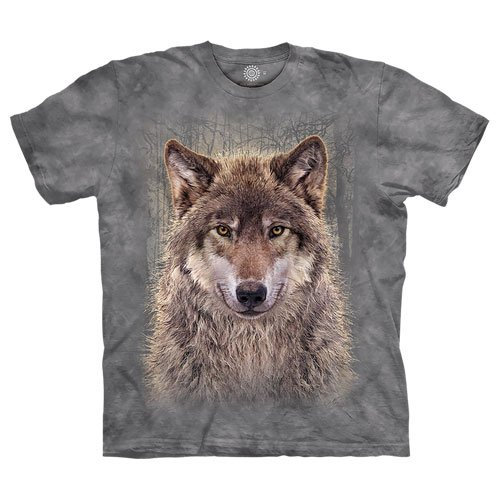
Beyond the Howl: Exploring Wolf Communication and Social Structures
Beyond the Howl: Exploring Wolf Communication and Social Structures Wolves hold secrets that go far beyond their haunting howls. If you think you know everything about these creatures, get ready to be surprised by 20 wolf facts that reveal their complex communication and social lives. You’ll see how wolves shape ecosystems, adapt to harsh environments, […]
The Science of Wolf Howling: Understanding the Sounds and Their Purposes
The Science of Wolf Howling: Understanding the Sounds and Their Purposes Wolf howling isn’t just eerie background noise in the wilderness—it’s a vital part of wolf communication that shapes their social world. If you’ve ever wondered why wolves howl, you’re about to uncover the different sounds they use and what each one means. From coordinating […]
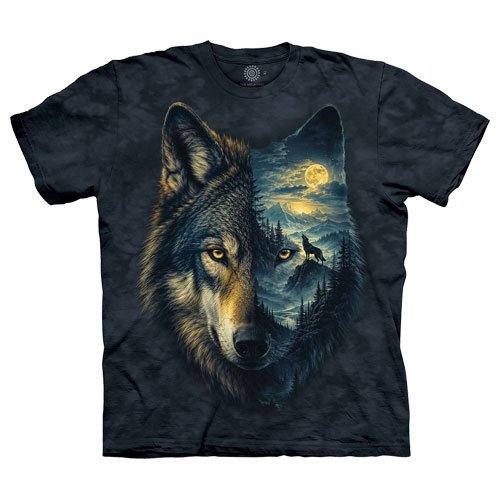
The Art of Cooperative Hunting: Wolf Hunting Strategies Explained
The Art of Cooperative Hunting: Wolf Hunting Strategies Explained Wolf pack behavior is far more complex than most people realize. When you watch wolves hunt together, you’re seeing a finely tuned team that relies on clear communication and strong family bonds. This post will reveal how wolves coordinate their hunts, protect their young, and keep […]
Wolves vs Dogs: Understanding the Key Differences in Behavior and Characteristics
Wolves vs Dogs: Understanding the Key Differences in Behavior and Characteristics Most people think dogs and wolves are basically the same animals with a few tweaks. The truth is, the differences between wolves and dogs run much deeper than you might expect. When you look closely at their behavior, instincts, and how domestication changed dogs, […]
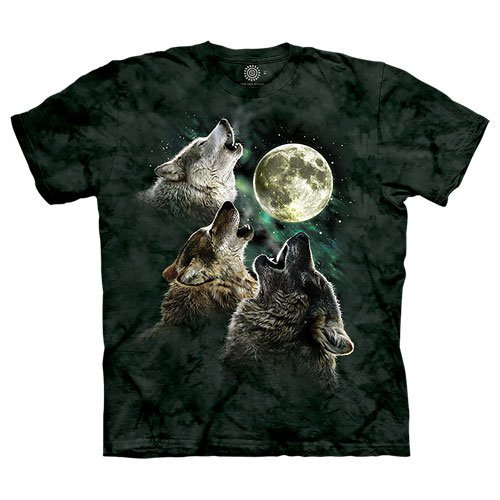
Exploring Artistic Wolf Shirts: Where Creativity Meets Nature’s Beauty
Exploring Artistic Wolf Shirts: Where Creativity Meets Nature’s Beauty Wolf t-shirt designs go far beyond simple prints—they capture the wild spirit and beauty of these animals with striking detail. If you’ve ever wanted to wear something that speaks to your love for wolves and stands out in your wardrobe, artistic wolf shirts offer exactly that. […]

Unleash the Wild: Top Wolf T-Shirts Perfect for Wildlife Lovers
Unleash the Wild: Top Wolf T-Shirts Perfect for Wildlife Lovers Forget the usual gift ideas that get tossed aside. If you know someone who lives for the wild, wolf t-shirts offer a fresh way to celebrate their passion. These designs go beyond simple prints—they capture the spirit of wolves in styles that speak directly to […]