
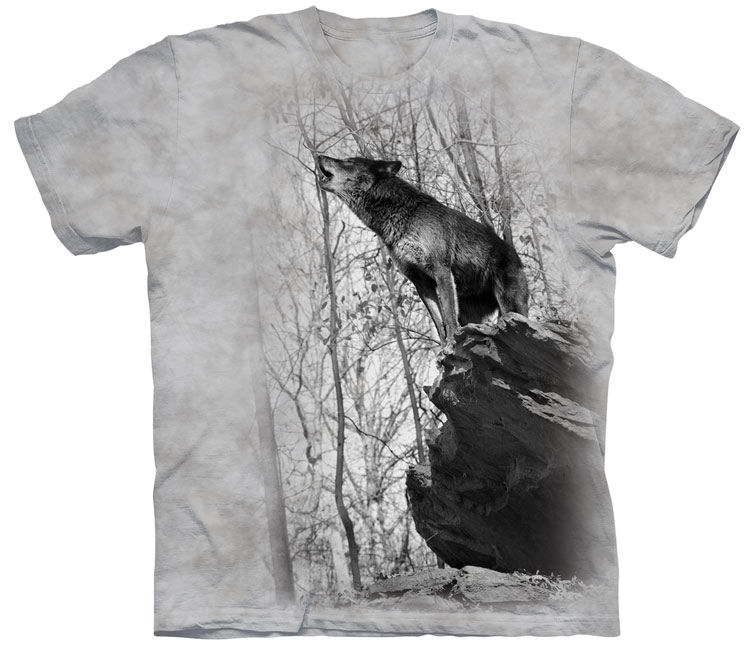
How Do Wolves Communicate? A Howling Good Guide to Wolf Communication
Ever wondered how wolves manage to keep their pack in sync without texting or emails? Well, you’re in for a howling good time! Wolves communicate using a fascinating mix of vocalizations, body language, and scent marking, creating a rich tapestry of interactions that any wolf lover would find compelling. From the iconic howl that echoes through the forest to the subtle tail wags and ear twitches, wolf communication is both complex and captivating. In this guide, we’ll delve into the various ways wolves communicate, shedding light on their social dynamics and the meanings behind their behaviors. Grab your favorite wolf t-shirt and let’s dive into the wild world of wolf communication!

Vocal Communication: Howls and More
The Science of Howling
Wolves are perhaps best known for their iconic howls, a form of vocal communication that serves multiple purposes. Howling helps wolves convey their location to other pack members, ward off rival packs, and even coordinate hunting activities. The frequency, duration, and pitch of a howl can convey different messages. For instance, a long, low-pitched howl may indicate a wolf is marking its territory, while shorter, higher-pitched howls might be used to gather the pack. Interestingly, each wolf’s howl is unique, allowing individual recognition among pack members. This complex vocalization is more than just a spine-chilling sound; it’s a sophisticated tool for ensuring the pack’s cohesion and survival. So next time you hear a wolf howling, remember you’re listening to an intricate form of communication that’s key to understanding how wolves communicate.
Other Vocalizations: Growls, Whines, and Barks
While howling is the most famous form of wolf communication, wolves also use a variety of other vocalizations to express themselves. Growls are often a sign of aggression or dominance, serving as a warning to other wolves or potential threats. Whines can indicate submission, fear, or even affection, depending on the context and relationship between the wolves involved. Barks, though less common, are typically used in situations that require immediate attention, such as alerting the pack to danger or signaling distress. Each of these sounds is part of a complex auditory language that helps wolves navigate their social hierarchy and environment. By understanding these vocal cues, we gain deeper insights into how wolves communicate and maintain their pack dynamics. So, next time you’re wearing your wolf shirt and thinking about how wolves communicate, remember that their vocal repertoire is as varied as it is informative.
Non-Vocal Communication: Body Language
Tail Positions and Movements
Beyond vocalizations, wolves communicate extensively through body language, with tail positions and movements playing a crucial role. A wolf’s tail can convey a range of emotions and intentions. For instance, a tail held high and stiff is often a sign of dominance or alertness, while a tail tucked between the legs usually indicates submission or fear. Gentle wagging can signal friendliness or playfulness, especially among pack members. Quick, jerky tail movements might indicate agitation or aggression. By observing these subtle cues, wolves can interpret each other’s moods and intentions without making a sound. This non-vocal form of wolf communication is essential for maintaining social order within the pack and preventing conflicts. So, next time you observe wolves—whether in the wild or on a documentary—pay close attention to their tails. It’s a fascinating glimpse into how wolves communicate complex social signals silently and effectively.
Facial Expressions and Eye Contact
Facial expressions and eye contact are pivotal components of how wolves communicate non-vocally. Wolves use their eyes, ears, and mouths to express a range of emotions and intentions. Direct eye contact can be a sign of dominance or a challenge, while avoiding eye contact often signals submission. The positioning of the ears also reveals much about a wolf’s state of mind; ears forward indicate attentiveness or aggression, while ears laid back can denote fear or submission. Snarling, with bared teeth and wrinkled muzzle, clearly communicates aggression or a warning. Conversely, a relaxed face with a slightly open mouth can indicate calmness or contentment. These nuanced facial signals help wolves navigate their social structures and relationships within the pack. Understanding these expressions sheds light on the intricate ways wolves communicate without uttering a sound, highlighting the depth of their social interactions.

A Closer Look at Octopus Smarts
Dive into the World of Cephalopod Intelligence: A Closer Look at Octopus Smarts Forget everything you think you know about marine animal intelligence. Octopuses challenge nearly every idea about how smart sea creatures can be. When you ask how smart are octopuses, the answers come from surprising behaviors and problem-solving skills that rival some mammals. […]
Meet the Animals with the Best Memory
Surprising Animal Intelligence: Meet the Animals with the Best Memory Most people think elephants top the list for animals with best memory. But your mind will shift once you meet creatures whose recall beats even the giants. These surprising animal facts will change how you see memory in animals—and why some species never forget a […]
The Hidden Meanings Behind Tail Chasing
Dogs’ Mental Health: The Hidden Meanings Behind Tail Chasing You might laugh when your dog spins in circles chasing its tail, but that funny habit hides more than just playfulness. Tail chasing behavior can reveal surprising clues about your dog’s mental health and well-being. Understanding why dogs chase their tails helps you spot when this […]
Do Animals Grieve Like Us?
Exploring Animal Behavior: Do Animals Grieve Like Us? You’ve seen your pet act strangely after losing a companion—maybe they stopped eating or seemed withdrawn. These moments make you wonder: do animals grieve like we do? The truth behind animal emotions goes beyond simple instincts, revealing stories that touch the heart and surprising scientific findings. Let’s […]
Practical Advice for Preventing Birds Hitting Windows
Creating a Bird-Safe Home: Practical Advice for Preventing Birds Hitting Windows Birds hitting windows cause more harm than you might think. You watch a beautiful bird only to see it crash into your glass, leaving you wondering why it happened. This problem isn’t just about accidents—it’s about keeping your home safe for the birds outside. […]
A Comprehensive Animal Lifespan Guide
Common Pets Lifespans and Wild Animal Ages: A Comprehensive Animal Lifespan Guide Most pet owners guess their furry friends live as long as other pets they know. The truth about animal lifespan comparison often surprises even the biggest animal lovers. This guide breaks down common pets lifespans alongside wild animal ages so you can see […]
Normal Cat Sleep Patterns Explained
Understanding Your Cat: Normal Cat Sleep Patterns Explained Cats spend up to 16 hours a day snoozing, and that often leaves owners wondering why do cats sleep so much. It’s easy to worry when your furry friend seems glued to their bed all day. But those long naps actually follow normal cat sleep patterns that […]
Unraveling the Mystery of Dog Behavior and Attachment
Pet Owner Insights: Unraveling the Mystery of Dog Behavior and Attachment Most dog owners notice one thing right away: their dog never seems to want to be far from their side. This constant shadow isn’t just clinginess—it’s a window into your dog’s pack mentality and deep bond with you. Understanding why dogs follow you everywhere […]
Why Cats Knead and What It Means for You
Animal Behaviorists Explain: Why Cats Knead and What It Means for You Cats kneading blankets or your lap might seem like a simple, cute habit. But if you’ve ever wondered why your cat does this strange motion, you’re not alone. Animal behaviorists reveal that this action holds deeper meaning tied to your cat’s feelings and […]
Why Your Dog Licks You and What It Means
Veterinary Science Explains: Why Your Dog Licks You and What It Means Most dog owners notice licking but miss what it really means. Your dog’s tongue sends messages beyond just affection. Understanding why do dogs lick you reveals surprising reasons rooted in veterinary science. Read on to uncover seven clear explanations that shed light on […]
Read more interesting animal facts here
Follow us on Facebook and Twitter to receive 10% off your order!
Size Chart – Dropship – Contact Us – Track Order
Baby Onesies – Hoodies – Ladies Tee Shirts – Long Sleeve Shirts – Mini Dresses – Aquatic – Bears – Big Cats – Birds – Bison – Cats – Deer – Dinosaurs – Dogs – Dolphins – Dragons – Eagles – Elephants – Fairies – Farm Animals – Frogs – Giraffes – Horses – Lions – Moose – Native American Indians – Other – Outdoor – Patriotic – Peace – Primates – Reptiles – Scary – Tigers – Unicorns – Wolf – Hats