
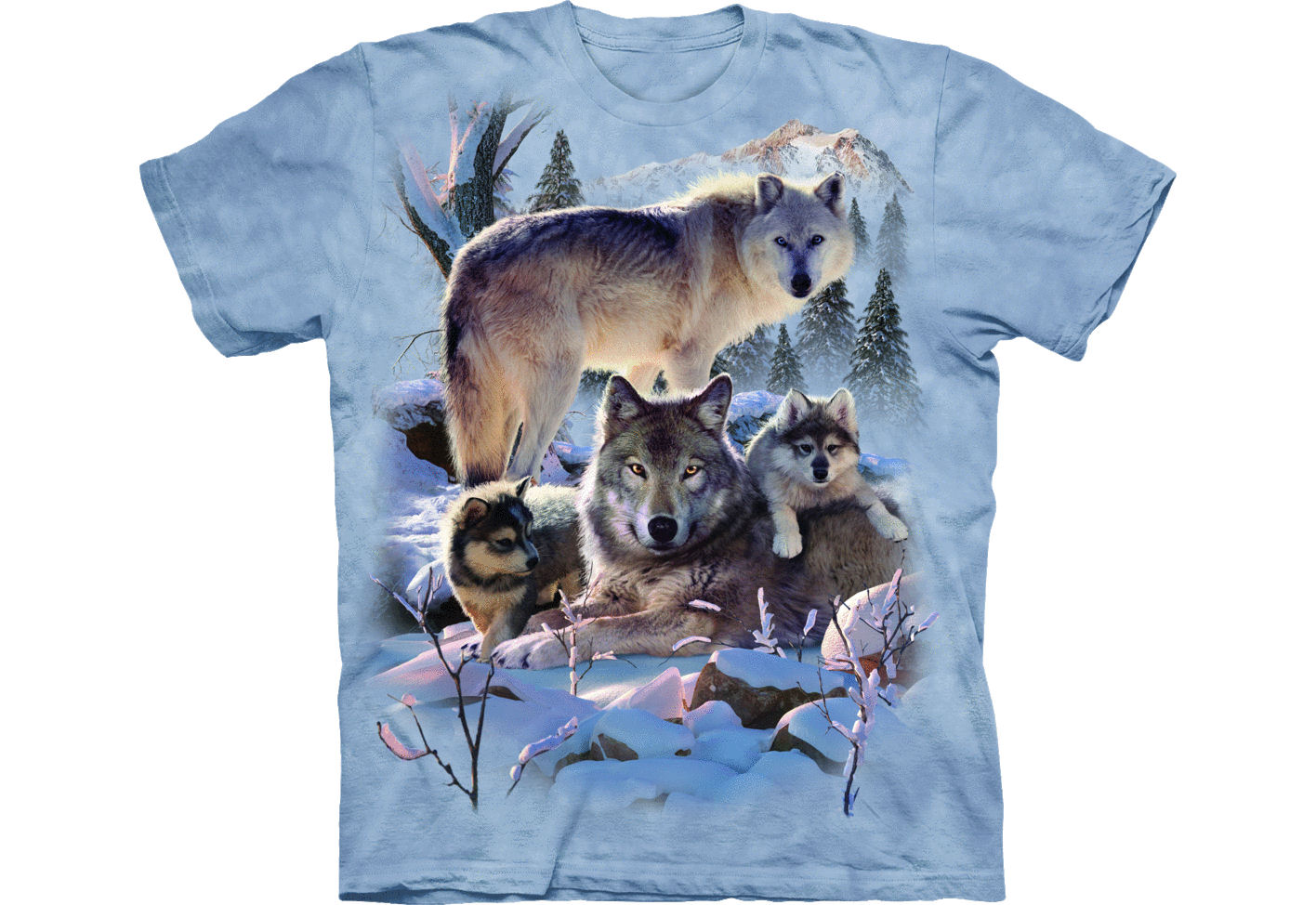
What is a Wolf Pack? Understanding the Social Dynamics of Wolves
Wolves, with their enigmatic presence and complex social structures, have long captivated the hearts and minds of wildlife enthusiasts. But what is a wolf pack? At its core, a wolf pack is a tightly-knit family unit that operates with a sophisticated hierarchy and intricate social interactions. These packs are comprised of wolves that cooperate in hunting, raise their young together, and maintain territories with remarkable cohesion. In this piece, we will delve into the fascinating dynamics of wolf packs, exploring how these magnificent creatures communicate, establish leadership, and navigate the challenges of their environment. Join us on this journey to uncover the secrets behind the social lives of wolves.

What is a Wolf Pack?
The Role of the Alpha
The role of the alpha in a wolf pack is pivotal to the group’s stability and success. The alpha pair, typically the dominant male and female, lead the pack and are often the only members to breed, ensuring genetic continuity. They are responsible for making crucial decisions, such as when and where to hunt, and they play a central role in maintaining order within the pack. The alpha wolves also mediate conflicts and reinforce the social hierarchy through body language and vocalizations. By setting boundaries and guiding the pack’s activities, the alpha wolves help ensure the survival and cohesion of their family unit. Understanding the role of the alpha offers valuable insights into the complex social dynamics that define what a wolf pack truly is.
Beta Wolves: The Second in Command
Beta wolves serve as the second in command within the wolf pack hierarchy. Positioned directly below the alpha pair, beta wolves often take on essential supportive roles. They help the alphas in enforcing pack rules and can lead in the absence of the alpha wolves. Betas may also mediate disputes among lower-ranking members and assist in teaching young wolves essential survival skills. Their position is crucial for maintaining the pack’s stability, acting as a buffer between the alphas and the rest of the group. By relieving some of the leadership burdens from the alphas, beta wolves ensure that the pack operates smoothly and efficiently. In a wolf pack, the betas’ ability to balance authority and support significantly contributes to the overall unity and strength of the group.
Omega Wolves: The Peacemakers
Omega wolves occupy the lowest rank in the wolf pack hierarchy, but their role is far from insignificant. Often seen as the scapegoats, omega wolves act as stress relievers within the pack. By diverting aggression away from more dominant wolves, they help to maintain harmony and reduce tension among pack members. Although they may appear submissive, omega wolves are essential for social cohesion, preventing conflicts from escalating. They often engage in playful behaviors and act as social facilitators, ensuring that interactions remain positive. Despite their lower status, omegas contribute to the emotional well-being of the pack, making them the unsung heroes in the complex social structure of a wolf pack. Through their unique role, omega wolves highlight the intricate and balanced nature of wolf societies.
Social Structure and Behavior
Hunting and Feeding Practices
Hunting and feeding practices are vital components of wolf pack behavior. Wolves hunt in coordinated groups, employing strategic tactics to take down prey much larger than themselves, such as elk and moose. The alpha pair often lead the hunt, using their experience to outmaneuver and exhaust their targets. Once the prey is captured, a strict feeding order is observed. The alphas eat first, followed by the betas, and then the rest of the pack, including the omega wolves. This hierarchy ensures that the strongest members, crucial for the hunt, receive the nutrition they need to maintain their roles. Cooperative hunting not only provides food but also strengthens social bonds among pack members. These feeding practices highlight the remarkable teamwork and discipline that define a wolf pack, illustrating the intricate balance of cooperation and competition in their daily lives.
Communication Within the Pack
Communication within a wolf pack is both complex and essential for maintaining social harmony and coordination. Wolves use a variety of vocalizations, body postures, and facial expressions to convey messages. Howling is perhaps the most well-known form of wolf communication, serving to rally the pack, signal territory boundaries, and locate members over long distances. Additionally, growls, barks, and whines are used in close-range interactions to express emotions such as aggression, submission, and affection.
Body language plays a crucial role as well. Dominant wolves assert their status through raised tails and erect postures, while submissive wolves display lowered bodies and tucked tails. Facial expressions, including bared teeth and flattened ears, further communicate intentions and emotions. These nuanced forms of communication ensure that all pack members understand their roles and responsibilities, contributing to the overall cohesion and efficiency of the wolf pack.
Raising the Pups
Raising the pups is a collective effort that underscores the cooperative nature of a wolf pack. Typically born in the spring, wolf pups are nurtured and protected by all pack members, not just their parents. The alpha female usually gives birth to the litter, and for the first few weeks, she remains in the den with the pups, while the rest of the pack hunts and brings food back for her.
As the pups grow, other pack members take turns babysitting, teaching, and playing with them. This early socialization is crucial for the pups’ development, helping them learn essential survival skills and the intricacies of pack dynamics. By the time they are a few months old, the pups begin to join the pack on short hunting trips, gradually becoming more involved in the pack’s activities.
This communal approach to raising young ensures that the pups are well-cared for and integrated into the pack, strengthening family bonds and ensuring the continuity of the wolf pack.
The Importance of Pack Dynamics
Survival and Cooperation
Survival and cooperation are the cornerstones of a wolf pack’s success. Wolves depend on their pack for hunting, protection, and raising young, making cooperation essential. Hunting in a group allows wolves to take down larger prey, increasing their chances of a successful kill and ensuring a steady food supply. The pack’s coordinated efforts in hunting and sharing food demonstrate a high level of teamwork and strategic planning.
Moreover, living in a pack offers protection against potential threats, such as rival wolves and other predators. Each member contributes to the defense of their territory, and the collective vigilance of the group enhances their security. This mutual reliance creates strong social bonds, fostering loyalty and trust among pack members.
By working together, wolves not only improve their chances of survival but also create a supportive environment where each member can thrive. The dynamics of cooperation within a wolf pack exemplify the remarkable adaptability and resilience of these social animals.
Territory and Hierarchy
Territory and hierarchy are fundamental aspects of wolf pack dynamics, playing crucial roles in their survival and social structure. A well-defined territory is essential for securing resources such as food, water, and shelter. Wolves mark their territories with scent markings and howls to ward off rival packs and establish their presence. This territorial behavior helps minimize conflicts and ensures that the pack can hunt and live without constant threats from other wolves.
Hierarchy within the pack is equally important. The established rank order, from alphas to omegas, reduces internal strife and organizes the pack’s activities. Each wolf understands its role, contributing to the pack’s overall efficiency. The hierarchy also regulates access to resources, such as food and mating opportunities, ensuring that the strongest and most capable members lead and reproduce.
Together, territoriality and hierarchical structures create a stable environment where wolves can thrive. These dynamics showcase the intricate balance of cooperation and competition that defines a wolf pack.
Human Impact on Wolf Packs
Human impact on wolf packs has been profound and often detrimental. Habitat destruction through urbanization, agriculture, and deforestation has fragmented the territories that wolves depend on, making it harder for packs to find sufficient food and shelter. This loss of habitat forces wolves into closer proximity with human activities, increasing the risk of conflict.
Additionally, hunting and culling have significantly reduced wolf populations in many regions. These practices disrupt pack dynamics, particularly when key members such as alpha wolves are killed. The loss of alpha wolves can lead to the disbandment of packs, as the social structure collapses.
Conservation efforts aim to mitigate these impacts by protecting habitats, establishing wildlife corridors, and implementing policies to reduce human-wolf conflicts. Educating the public about the ecological importance of wolves is also crucial. By understanding and addressing human impact, we can help ensure the survival and stability of wolf packs, preserving their intricate social structures and contributions to biodiversity.

A Closer Look at Octopus Smarts
Dive into the World of Cephalopod Intelligence: A Closer Look at Octopus Smarts Forget everything you think you know about marine animal intelligence. Octopuses challenge nearly every idea about how smart sea creatures can be. When you ask how smart are octopuses, the answers come from surprising behaviors and problem-solving skills that rival some mammals. […]
Meet the Animals with the Best Memory
Surprising Animal Intelligence: Meet the Animals with the Best Memory Most people think elephants top the list for animals with best memory. But your mind will shift once you meet creatures whose recall beats even the giants. These surprising animal facts will change how you see memory in animals—and why some species never forget a […]
The Hidden Meanings Behind Tail Chasing
Dogs’ Mental Health: The Hidden Meanings Behind Tail Chasing You might laugh when your dog spins in circles chasing its tail, but that funny habit hides more than just playfulness. Tail chasing behavior can reveal surprising clues about your dog’s mental health and well-being. Understanding why dogs chase their tails helps you spot when this […]
Do Animals Grieve Like Us?
Exploring Animal Behavior: Do Animals Grieve Like Us? You’ve seen your pet act strangely after losing a companion—maybe they stopped eating or seemed withdrawn. These moments make you wonder: do animals grieve like we do? The truth behind animal emotions goes beyond simple instincts, revealing stories that touch the heart and surprising scientific findings. Let’s […]
Practical Advice for Preventing Birds Hitting Windows
Creating a Bird-Safe Home: Practical Advice for Preventing Birds Hitting Windows Birds hitting windows cause more harm than you might think. You watch a beautiful bird only to see it crash into your glass, leaving you wondering why it happened. This problem isn’t just about accidents—it’s about keeping your home safe for the birds outside. […]
A Comprehensive Animal Lifespan Guide
Common Pets Lifespans and Wild Animal Ages: A Comprehensive Animal Lifespan Guide Most pet owners guess their furry friends live as long as other pets they know. The truth about animal lifespan comparison often surprises even the biggest animal lovers. This guide breaks down common pets lifespans alongside wild animal ages so you can see […]
Normal Cat Sleep Patterns Explained
Understanding Your Cat: Normal Cat Sleep Patterns Explained Cats spend up to 16 hours a day snoozing, and that often leaves owners wondering why do cats sleep so much. It’s easy to worry when your furry friend seems glued to their bed all day. But those long naps actually follow normal cat sleep patterns that […]
Unraveling the Mystery of Dog Behavior and Attachment
Pet Owner Insights: Unraveling the Mystery of Dog Behavior and Attachment Most dog owners notice one thing right away: their dog never seems to want to be far from their side. This constant shadow isn’t just clinginess—it’s a window into your dog’s pack mentality and deep bond with you. Understanding why dogs follow you everywhere […]
Why Cats Knead and What It Means for You
Animal Behaviorists Explain: Why Cats Knead and What It Means for You Cats kneading blankets or your lap might seem like a simple, cute habit. But if you’ve ever wondered why your cat does this strange motion, you’re not alone. Animal behaviorists reveal that this action holds deeper meaning tied to your cat’s feelings and […]
Why Your Dog Licks You and What It Means
Veterinary Science Explains: Why Your Dog Licks You and What It Means Most dog owners notice licking but miss what it really means. Your dog’s tongue sends messages beyond just affection. Understanding why do dogs lick you reveals surprising reasons rooted in veterinary science. Read on to uncover seven clear explanations that shed light on […]
Read more interesting animal facts here
Follow us on Facebook and Twitter to receive 10% off your order!
Size Chart – Dropship – Contact Us – Track Order
Baby Onesies – Hoodies – Ladies Tee Shirts – Long Sleeve Shirts – Mini Dresses – Aquatic – Bears – Big Cats – Birds – Bison – Cats – Deer – Dinosaurs – Dogs – Dolphins – Dragons – Eagles – Elephants – Fairies – Farm Animals – Frogs – Giraffes – Horses – Lions – Moose – Native American Indians – Other – Outdoor – Patriotic – Peace – Primates – Reptiles – Scary – Tigers – Unicorns – Wolf – Hats