Why Do Dogs Howl? Unraveling the Mysteries of Canine Communication
Dogs don’t just bark—they howl, and that sound can leave you wondering what’s really going on in your pet’s mind. Dog howling taps into deep instincts passed down from their wild ancestors, revealing emotions and messages you might miss. Understanding dog vocalizations can change how you respond to your furry friend, especially since some breeds are more likely to howl than others. Let’s explore the reasons dogs howl and what their calls mean for you and your companion. For those who share a connection with the wild side of their pets, check out this adventure wolf shirt.

YOU WILL LOVE ALL OUR BEAUTIFUL DOG SHIRTS!
The Ancestral Roots of Howling
Dogs have inherited much from their wild ancestors, including their vocal habits. Let’s first uncover the connection to their lineage.
Connection to Wild Ancestors
The howl of a dog is a direct link to wolves, their wild ancestors. In the wild, howling serves as a means to communicate over long distances. Wolves would howl to signal their location to pack members, ensuring the group stays united. This behavior is deeply rooted in survival instincts. In your home, your dog’s howling may be a call to stay connected, mirroring this ancestral practice.
Dogs howl for various reasons, but the core is this primal connection. When your dog howls, they might be tapping into an ancient need to communicate. Just like wolves, dogs use howling to express their presence and emotions. This behavior is less about the immediate environment and more about tapping into a centuries-old lineage.
Evolution of Dog Vocalizations
Over time, dog vocalizations have evolved to serve different purposes. From alerting humans to danger to expressing emotions, these sounds carry meaning. Barking, whining, and howling each have their own role in communication.
While barking is often used to signal immediate threats or needs, howling has a broader spectrum. It can indicate everything from loneliness to excitement. As humans and dogs developed a closer bond, these vocalizations adapted. Dogs learned to use their voices to get attention and express a variety of emotions. By understanding these sounds, you can better connect with your dog and fulfill their needs.
Emotional Expression in Dogs
Beyond ancestry, howling is an emotional outlet for dogs. It reveals feelings of loneliness and joy. Let’s delve into these expressions to understand your pet better.
Loneliness and Isolation
When a dog feels isolated, they may howl to express their loneliness. This is often seen in dogs left alone for long periods. The sound is a plea for companionship.
If your dog howls when you’re not home, it might be their way of calling out for comfort. They want to know they’re not alone. Addressing this might involve offering them toys or leaving a piece of your clothing with them to soothe their anxiety. Understanding this emotional trigger can help you improve your dog’s well-being.
Excitement and Joy
On a brighter note, dogs also howl out of joy. It’s not uncommon for them to vocalize when they are excited. This can happen during playtime or when greeting you after a long day.
This expression of happiness is infectious. When your dog howls with joy, they’re celebrating a positive moment. You can encourage this by joining in their excitement, reinforcing the bond you share. Recognizing when your dog is howling out of joy helps you respond appropriately, ensuring they feel understood and loved.
Communication with Other Dogs
Howling isn’t just for humans. Dogs also use it to communicate with their canine peers. Learn more about these social bonds and responses to external stimuli.
Social Bonds and Group Dynamics
Dogs, like wolves, rely on howling to maintain social bonds. In a multi-dog household, howling can strengthen group dynamics. It’s their way of synchronizing with each other.
This can be especially noticeable when one dog starts howling, and others join in. It’s a group activity that promotes unity. By observing these interactions, you can gain insight into your dogs’ relationships. Supporting these natural behaviors helps maintain harmony in your pack.
Responding to External Sounds
External sounds often trigger howling in dogs. Sirens, music, or even other animals can prompt a vocal response. This is an instinctual reaction to perceived communication.
Your dog may interpret a siren as another howl, prompting them to join in. It’s their way of responding to what they think is a call from the wild. Understanding this can prevent frustration. Instead of seeing it as noise, consider it their way of interacting with the world. Embrace these moments as opportunities to connect with your pet.
Howling Across Different Breeds
Not all dogs howl alike. Some breeds are more prone to vocalizations. Let’s explore the variety in howling habits among different breeds.
Breeds Prone to Howling
Certain breeds are known for their howling tendencies. Breeds like Huskies, Beagles, and Malamutes are particularly vocal. This trait is often linked to their heritage and natural instincts.
If you own a breed prone to howling, it’s essential to understand this is part of their nature. Embracing their vocal habits can enhance your relationship. Knowing what to expect can also help you manage your environment, minimizing disturbances.
Breed-Specific Vocal Patterns
Different breeds exhibit unique vocal patterns. While some howl melodically, others may have a more abrupt style. Understanding these patterns helps you interpret what your dog is communicating.
For example, a Beagle’s howl might be sharper, while a Husky’s could be more drawn out. Recognizing these differences allows you to respond appropriately, ensuring your dog feels heard and understood. This knowledge empowers you to cater to your dog’s specific needs.
Understanding and Managing Howling
Managing howling involves interpreting emotions and responding to your dog’s needs. Let’s learn how to address this behavior effectively.
Interpreting Canine Emotions
Interpreting your dog’s emotions is key to managing howling. By observing their body language and vocal cues, you can understand what they’re feeling.
Look for signs like tail wagging or pacing to determine the cause of howling. This insight helps you address their needs, whether it’s comfort or companionship. By being attentive, you strengthen your bond and reduce unnecessary howling.
Responding to Your Dog’s Needs
When your dog howls, it’s important to respond appropriately. Address their needs by providing attention, playtime, or soothing words.
If your dog howls out of loneliness, consider increasing your time together or providing distractions. For howling triggered by excitement, engage in activities that allow them to express joy. By being proactive, you create a supportive environment for your dog.
Frequently Asked Questions
Why do some dogs howl more than others?
Certain breeds and individual personalities influence howling frequency. Breeds like Huskies are naturally more vocal due to their ancestry. Understanding your dog’s background can explain their vocal habits.
Can howling indicate a health problem?
While howling is often normal, excessive vocalization can signal health issues. If your dog’s howling changes suddenly or seems distressing, consult a vet to rule out medical concerns.
How can I reduce my dog’s howling?
To reduce howling, identify triggers and address their needs. Providing mental stimulation, companionship, and reassurance can help minimize this behavior. Consistent training also aids in managing vocal habits.
Understanding why dogs howl helps deepen your bond with your furry friend. By recognizing their needs and emotions, you create a harmonious environment that embraces their natural instincts.
YOU WILL LOVE ALL OUR BEAUTIFUL DOG SHIRTS!
Size Chart – Dropship – Contact Us – Track Order
Aquatic – Bears – Big Cats – Birds – Bison – Cats – Deer – Dinosaurs – Dogs – Dolphins – Dragons – Eagles – Elephants – Fairies – Farm Animals – Frogs – Giraffes – Horses – Lions – Moose – Native American Indians – Other – Outdoor – Patriotic – Peace – Primates – Reptiles – Scary – Tigers – Unicorns – Wolf

Why Do Dogs Sleep So Much? Insights into Canine Rest and Behavior
Why Do Dogs Sleep So Much? Insights into Canine Rest and Behavior Dogs spend almost half their day asleep, which can leave you wondering why they need so much rest. Your furry friend’s sleep patterns differ a lot from yours, influenced by factors like age, breed, and activity. Understanding the importance of dog sleep can […]

Why Do Dogs Howl? Unraveling the Mysteries of Canine Communication
Why Do Dogs Howl? Unraveling the Mysteries of Canine Communication Dogs don’t just bark—they howl, and that sound can leave you wondering what’s really going on in your pet’s mind. Dog howling taps into deep instincts passed down from their wild ancestors, revealing emotions and messages you might miss. Understanding dog vocalizations can change how […]

Understanding the Gray Wolf and Beyond: A Look at Wolf Subspecies
Understanding the Gray Wolf and Beyond: A Look at Wolf Subspecies Forget everything you think you know about wolves. These creatures are far more diverse than just the gray wolf story you’ve heard a thousand times. You’re about to explore wolf species and subspecies that adapt to vastly different habitats and show surprising behaviors. Stick […]
Wolves in Art: Unraveling the Mystique of Nature’s Wild Beauty
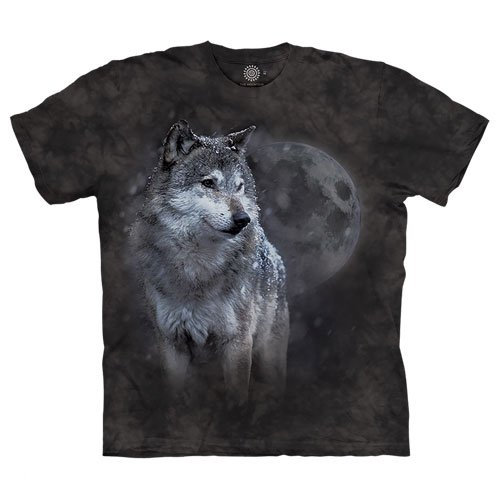
Wolves in Art: Unraveling the Mystique of Nature’s Wild Beauty Wolves have inspired artists for centuries, yet their allure remains as strong as ever. You might wonder why these creatures keep showing up in wildlife art, capturing attention across cultures and styles. This post will guide you through the striking beauty and rich symbolism of […]
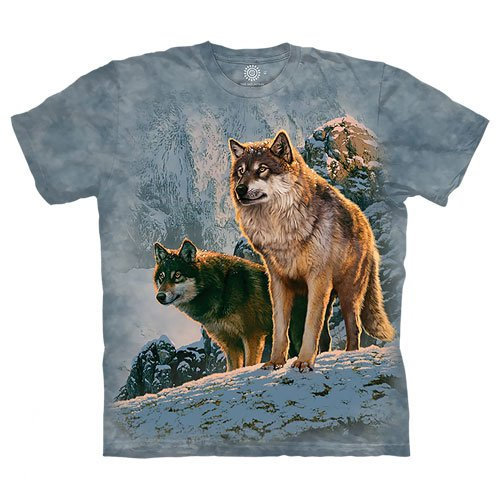
Wildlife T-Shirts: Show Your Love for Nature and Make a Difference in Style
Wildlife T-Shirts: Show Your Love for Nature and Make a Difference in Style Wearing wildlife t-shirts is more than picking a cool design. Your choice shows who you are and what you stand for—caring about nature and protecting animals. These animal shirts can spark real conversations about endangered species and connect you with others who […]
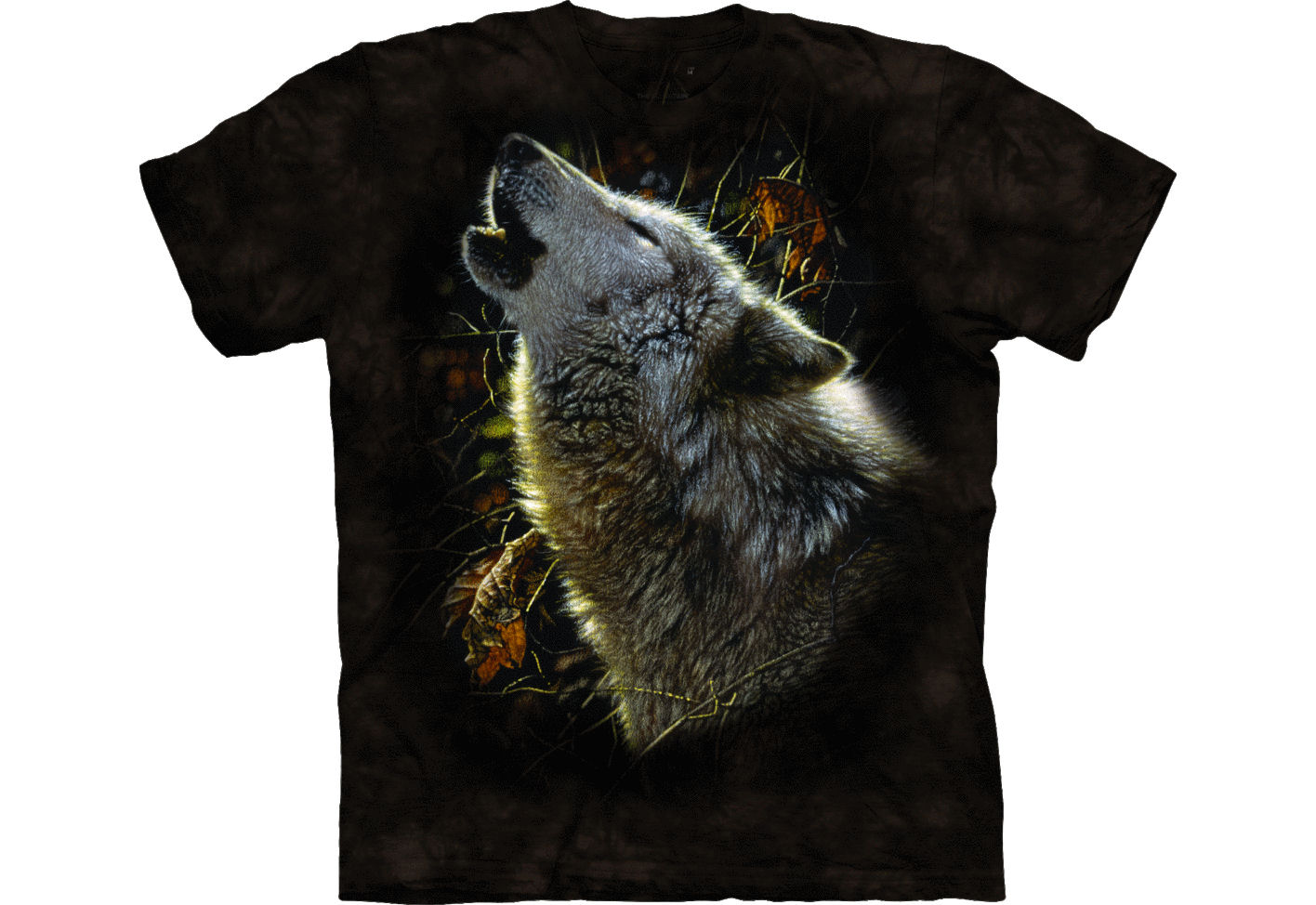
How Wolves Communicate: A Symphony of Howls and Body Language
How Wolves Communicate: A Symphony of Howls and Body Language Wolves don’t just howl for the thrill of it—they use sound and movement to keep their packs connected across miles. If you’ve ever wondered how wolves communicate beyond the eerie calls in the night, you’re about to find out. This post breaks down the signals […]
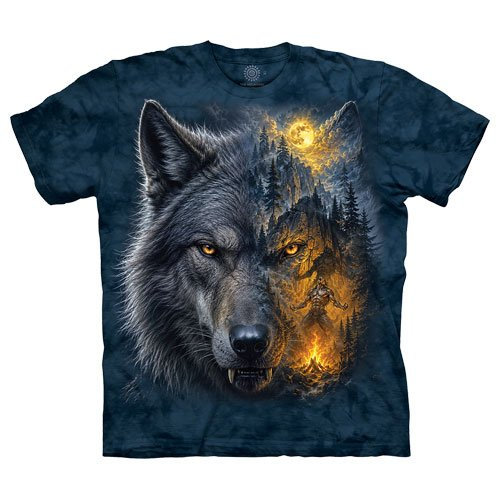
How to Choose the Perfect Wolf T-Shirt: A Guide for Wildlife Enthusiasts
How to Choose the Perfect Wolf T-Shirt: A Guide for Wildlife Enthusiasts Picking the right wolf shirts can feel overwhelming with so many styles and fabrics out there. You want a wolf t-shirt that shows your love for these wild animals without sacrificing comfort or style. This guide breaks down what matters most—from fit to […]
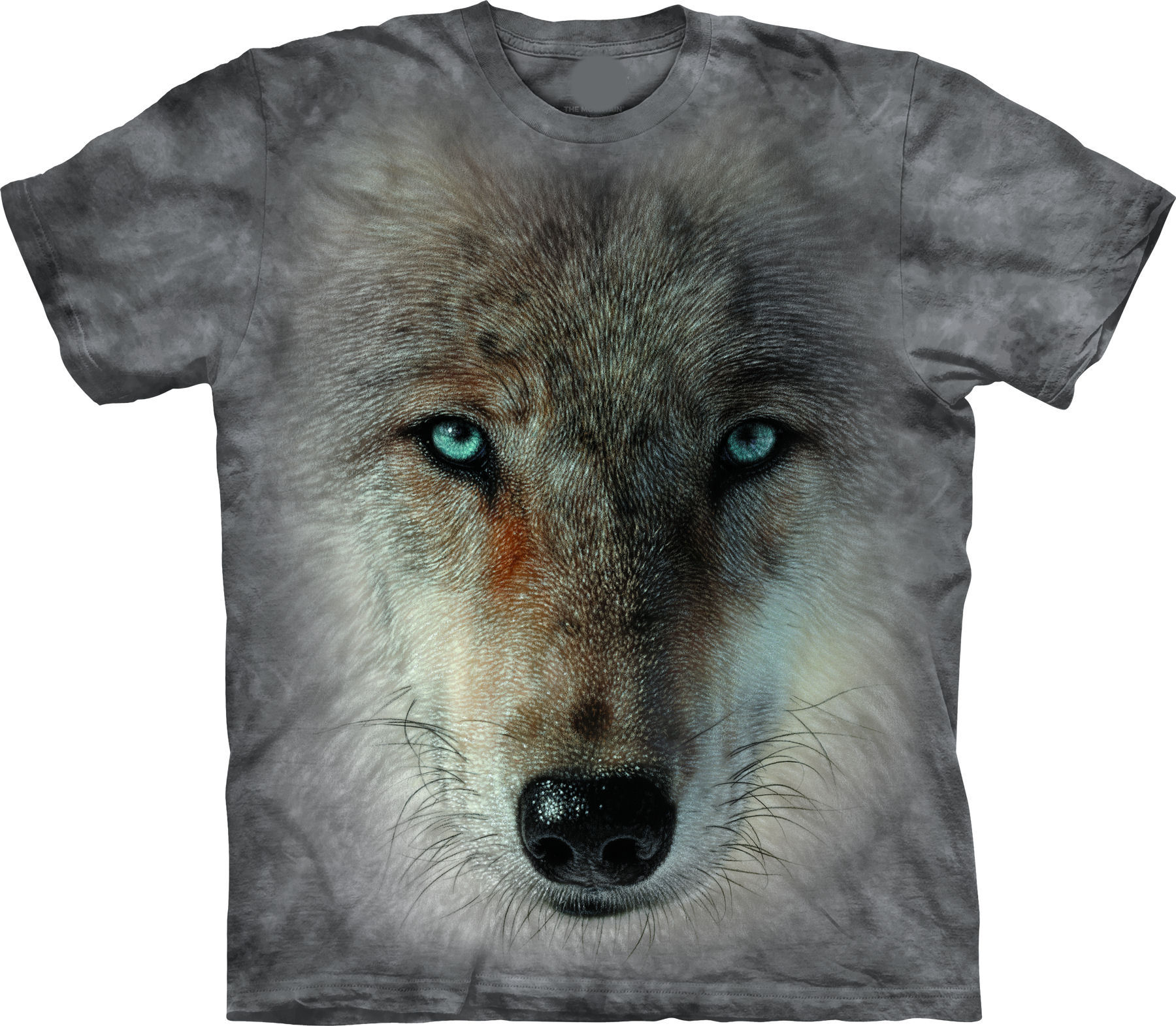
Why Wolf T-Shirts Are a Must-Have for Every Animal Lover’s Wardrobe
Why Wolf T-Shirts Are a Must-Have for Every Animal Lover’s Wardrobe Wolf t-shirts have become more than just clothing for animal lovers—they tell a story of wild spirit and respect for nature. If you’ve noticed how these wolf graphic tees show up everywhere, there’s a reason they connect so deeply with people like you. This […]
Beyond the Howl: Exploring Wolf Communication and Social Structures
Beyond the Howl: Exploring Wolf Communication and Social Structures Wolves hold secrets that go far beyond their haunting howls. If you think you know everything about these creatures, get ready to be surprised by 20 wolf facts that reveal their complex communication and social lives. You’ll see how wolves shape ecosystems, adapt to harsh environments, […]
The Science of Wolf Howling: Understanding the Sounds and Their Purposes
The Science of Wolf Howling: Understanding the Sounds and Their Purposes Wolf howling isn’t just eerie background noise in the wilderness—it’s a vital part of wolf communication that shapes their social world. If you’ve ever wondered why wolves howl, you’re about to uncover the different sounds they use and what each one means. From coordinating […]
The Art of Cooperative Hunting: Wolf Hunting Strategies Explained
The Art of Cooperative Hunting: Wolf Hunting Strategies Explained Wolf pack behavior is far more complex than most people realize. When you watch wolves hunt together, you’re seeing a finely tuned team that relies on clear communication and strong family bonds. This post will reveal how wolves coordinate their hunts, protect their young, and keep […]
Wolves vs Dogs: Understanding the Key Differences in Behavior and Characteristics
Wolves vs Dogs: Understanding the Key Differences in Behavior and Characteristics Most people think dogs and wolves are basically the same animals with a few tweaks. The truth is, the differences between wolves and dogs run much deeper than you might expect. When you look closely at their behavior, instincts, and how domestication changed dogs, […]