
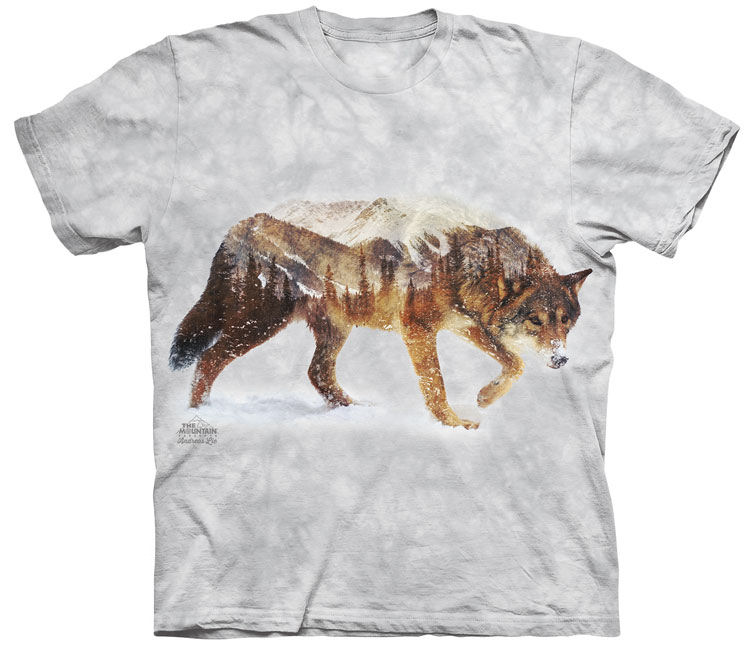
Wolf Enthusiast’s Guide: What is the Largest Species of Wolf?
For wolf lovers and enthusiasts alike, the question “What is the largest species of wolf?” sparks a sense of awe and curiosity. Wolves are majestic creatures, with various species exhibiting unique characteristics and behaviors. Among these, one species stands out for its impressive size and presence: the Gray Wolf, also known as Canis lupus. In this guide, we will delve into the fascinating world of wolf species, exploring the characteristics that make the largest wolf truly remarkable. Join us as we uncover the secrets behind these magnificent animals and their place in the wild.
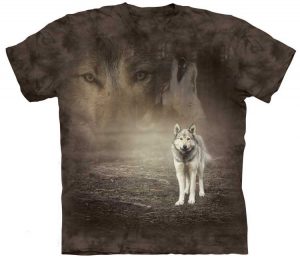
Introduction to Wolf Species
Fascination with Wolves
Wolves have captured human imagination for centuries. Their enigmatic presence in folklore and mythology reflects our deep-rooted fascination with these creatures. Whether depicted as fearsome predators or noble pack leaders, wolves hold a unique place in our cultural consciousness. Their social structure, hunting prowess, and communication skills provide endless intrigue for wolf lovers. Observing wolves in the wild, understanding their behaviors, and learning about different wolf species offer insights into their complex world. This fascination is not just limited to their majestic appearance but extends to their role in ecosystems, where they maintain balance and biodiversity. From ancient tales to modern wildlife studies, wolves continue to captivate and inspire curiosity and admiration across generations.
Variety Among Wolf Species
Wolf species exhibit remarkable diversity in size, habitat, and behavior. The Gray Wolf (Canis lupus) is the most widely recognized, but there are several other species and subspecies, each with unique traits. For instance, the Arctic Wolf thrives in the icy tundras, while the Ethiopian Wolf inhabits the highlands of Ethiopia. Red Wolves, smaller and more slender than their gray counterparts, primarily reside in the southeastern United States. Then there’s the Indian Wolf, which is adapted to the warm, arid regions of the Indian subcontinent. Each wolf species has evolved to fit its environment, leading to variations in physical characteristics such as coat color, size, and hunting strategies. This variety among wolf species highlights the adaptability and resilience of these magnificent animals, making them a subject of endless study and admiration.
Discovering the Largest Wolf
What is the Largest Species of Wolf?
When asking “What is the largest species of wolf?”, the answer invariably points to the Gray Wolf, or Canis lupus. Specifically, the Northwestern Wolf, a subspecies of the Gray Wolf, holds the title for being the largest in terms of size and weight. Males can weigh up to 175 pounds and measure up to 7 feet from nose to tail. These wolves inhabit regions across North America, particularly in Alaska, Canada, and parts of the northern United States. Their impressive size aids them in hunting large prey, such as elk and bison, showcasing their role as apex predators. The Gray Wolf’s size and strength make it a formidable presence in the wild, symbolizing the untamed and rugged nature of its habitat. This largest wolf species not only captivates with its physical attributes but also plays a crucial role in maintaining ecological balance.
Physical Characteristics of the Largest Wolf
The Gray Wolf, particularly the Northwestern Wolf, boasts impressive physical characteristics that distinguish it as the largest wolf species. Adults typically stand between 26 to 32 inches at the shoulder, with males generally larger than females. Their muscular build is complemented by a dense, double-layered coat that provides insulation against harsh climates. Coat colors can vary significantly, ranging from pure white to shades of gray and black, often with a mix of colors that provide effective camouflage.
Their large paws are adapted for traversing diverse terrains, from snow-covered landscapes to rugged mountains. Sharp, powerful jaws and strong teeth enable them to take down and consume large prey. The Gray Wolf’s keen senses, including exceptional hearing and a strong sense of smell, further enhance their hunting efficiency. These physical attributes not only underline their status as the largest wolf but also highlight their adaptability and survival skills in the wild.
Habitat and Range of the Largest Wolf
The largest wolf species, the Gray Wolf, thrives in a variety of habitats across a broad range. Historically, Gray Wolves inhabited vast areas across North America, Europe, and Asia. Today, their range is more fragmented but still extensive, with significant populations in Canada, Alaska, and parts of the northern United States, including the Rocky Mountains and the Great Lakes region.
These wolves are highly adaptable, living in environments that range from dense forests and tundras to arid plains and mountainous regions. Their adaptability to diverse habitats is a testament to their resilience and survival skills. Gray Wolves require large territories to support their packs, often ranging over hundreds of square miles to hunt and find mates. The ability to thrive in different environments and maintain such expansive ranges underscores their status as apex predators and highlights the critical role they play in maintaining ecological balance within their habitats.
Conservation and Importance
Protecting Wolf Populations
Protecting wolf populations is crucial for maintaining ecological balance and biodiversity. Wolves play a key role as apex predators, helping to control the populations of herbivores like deer and elk. This, in turn, prevents overgrazing and promotes healthy vegetation growth, which benefits numerous other species in the ecosystem. However, wolves face numerous threats, including habitat loss, human-wildlife conflict, and illegal hunting.
Conservation efforts are essential to ensure the survival of these magnificent animals. Measures include legal protections, habitat restoration, and public education programs to foster coexistence between wolves and humans. Organizations and governments are working together to implement wildlife corridors that connect fragmented habitats, allowing wolves to roam freely and find mates. By protecting wolf populations, we not only preserve a vital part of our natural heritage but also support the health and stability of entire ecosystems.
The Role of Wolves in Ecosystems
Wolves play a pivotal role in maintaining the health and balance of ecosystems. As apex predators, they regulate the populations of large herbivores such as deer, elk, and moose. By controlling these populations, wolves prevent overgrazing and allow vegetation to flourish. This vegetation, in turn, supports a diverse array of other wildlife, from birds to smaller mammals and insects.
The presence of wolves also influences the behavior of prey species. Herbivores tend to avoid areas where wolves hunt, which can lead to the recovery of vegetation in those regions. This phenomenon, known as the “landscape of fear,” creates a more balanced and dynamic ecosystem. Moreover, the carcasses of prey left by wolves provide food for scavengers like bears, eagles, and ravens, contributing to the overall nutrient cycle.
In essence, wolves help to create a ripple effect that promotes biodiversity and ecosystem resilience, highlighting their indispensable role in nature.

A Closer Look at Octopus Smarts
Dive into the World of Cephalopod Intelligence: A Closer Look at Octopus Smarts Forget everything you think you know about marine animal intelligence. Octopuses challenge nearly every idea about how smart sea creatures can be. When you ask how smart are octopuses, the answers come from surprising behaviors and problem-solving skills that rival some mammals. […]
Meet the Animals with the Best Memory
Surprising Animal Intelligence: Meet the Animals with the Best Memory Most people think elephants top the list for animals with best memory. But your mind will shift once you meet creatures whose recall beats even the giants. These surprising animal facts will change how you see memory in animals—and why some species never forget a […]
The Hidden Meanings Behind Tail Chasing
Dogs’ Mental Health: The Hidden Meanings Behind Tail Chasing You might laugh when your dog spins in circles chasing its tail, but that funny habit hides more than just playfulness. Tail chasing behavior can reveal surprising clues about your dog’s mental health and well-being. Understanding why dogs chase their tails helps you spot when this […]
Do Animals Grieve Like Us?
Exploring Animal Behavior: Do Animals Grieve Like Us? You’ve seen your pet act strangely after losing a companion—maybe they stopped eating or seemed withdrawn. These moments make you wonder: do animals grieve like we do? The truth behind animal emotions goes beyond simple instincts, revealing stories that touch the heart and surprising scientific findings. Let’s […]
Practical Advice for Preventing Birds Hitting Windows
Creating a Bird-Safe Home: Practical Advice for Preventing Birds Hitting Windows Birds hitting windows cause more harm than you might think. You watch a beautiful bird only to see it crash into your glass, leaving you wondering why it happened. This problem isn’t just about accidents—it’s about keeping your home safe for the birds outside. […]
A Comprehensive Animal Lifespan Guide
Common Pets Lifespans and Wild Animal Ages: A Comprehensive Animal Lifespan Guide Most pet owners guess their furry friends live as long as other pets they know. The truth about animal lifespan comparison often surprises even the biggest animal lovers. This guide breaks down common pets lifespans alongside wild animal ages so you can see […]
Normal Cat Sleep Patterns Explained
Understanding Your Cat: Normal Cat Sleep Patterns Explained Cats spend up to 16 hours a day snoozing, and that often leaves owners wondering why do cats sleep so much. It’s easy to worry when your furry friend seems glued to their bed all day. But those long naps actually follow normal cat sleep patterns that […]
Unraveling the Mystery of Dog Behavior and Attachment
Pet Owner Insights: Unraveling the Mystery of Dog Behavior and Attachment Most dog owners notice one thing right away: their dog never seems to want to be far from their side. This constant shadow isn’t just clinginess—it’s a window into your dog’s pack mentality and deep bond with you. Understanding why dogs follow you everywhere […]
Why Cats Knead and What It Means for You
Animal Behaviorists Explain: Why Cats Knead and What It Means for You Cats kneading blankets or your lap might seem like a simple, cute habit. But if you’ve ever wondered why your cat does this strange motion, you’re not alone. Animal behaviorists reveal that this action holds deeper meaning tied to your cat’s feelings and […]
Why Your Dog Licks You and What It Means
Veterinary Science Explains: Why Your Dog Licks You and What It Means Most dog owners notice licking but miss what it really means. Your dog’s tongue sends messages beyond just affection. Understanding why do dogs lick you reveals surprising reasons rooted in veterinary science. Read on to uncover seven clear explanations that shed light on […]
Read more interesting animal facts here
Follow us on Facebook and Twitter to receive 10% off your order!
Size Chart – Dropship – Contact Us – Track Order
Baby Onesies – Hoodies – Ladies Tee Shirts – Long Sleeve Shirts – Mini Dresses – Aquatic – Bears – Big Cats – Birds – Bison – Cats – Deer – Dinosaurs – Dogs – Dolphins – Dragons – Eagles – Elephants – Fairies – Farm Animals – Frogs – Giraffes – Horses – Lions – Moose – Native American Indians – Other – Outdoor – Patriotic – Peace – Primates – Reptiles – Scary – Tigers – Unicorns – Wolf – Hats