
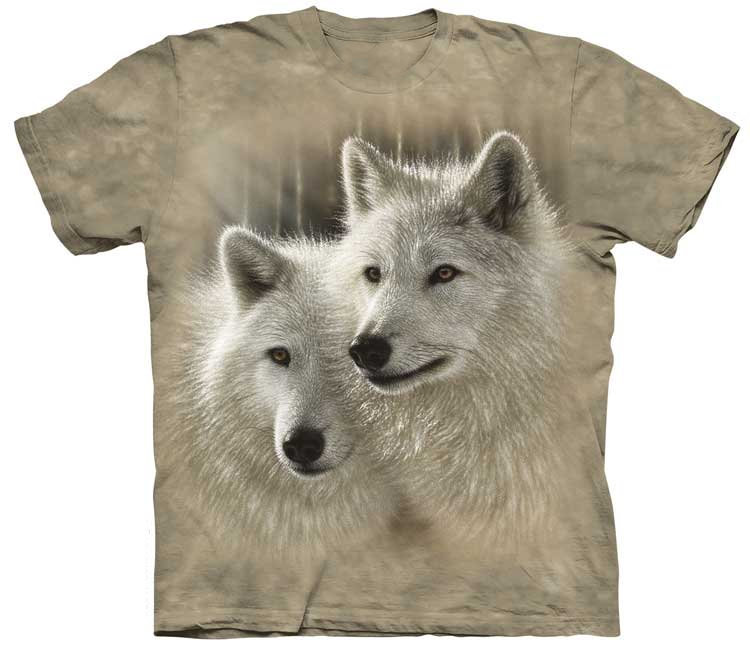
Are Wolves Endangered? Debunking Myths and Facts for Wolf Lovers
Are wolves endangered? This question often sparks passionate debates among wolf lovers, wildlife enthusiasts, and conservationists alike. With their majestic presence and significant role in ecosystems, wolves have captivated human imagination for centuries, yet myths and misconceptions about their conservation status persist. In this piece, we’ll unravel the truths and debunk the myths surrounding the “endangered wolf” narrative, shedding light on their current status, the challenges they face, and why it’s crucial for every wolf aficionado to stay informed. So, throw on your favorite wolf shirt or wolf t-shirt, and let’s dive into the fascinating world of wolves!

The Endangered Wolf Debate
Are Wolves Endangered?
The question “Are wolves endangered?” is not as straightforward as it seems. Wolves are classified into several subspecies, each with varying conservation statuses. For instance, the gray wolf has been removed from the Endangered Species List in many U.S. states due to successful recovery efforts, while the Mexican gray wolf remains critically endangered. Moreover, red wolves are still struggling to survive in the wild, with fewer than 20 individuals left. These differing statuses often contribute to the confusion and heated debates among wolf lovers. Understanding these nuances is crucial for anyone donning their wolf shirt or wolf t-shirt to advocate effectively for these magnificent creatures. It’s vital to focus on specific populations and regions when discussing their endangered status, rather than painting all wolves with the same broad brush. This way, our efforts can be more targeted and impactful.
The Legal Status of Wolves
The legal status of wolves varies significantly across different regions, adding another layer of complexity to the “Are wolves endangered?” question. In the United States, the Endangered Species Act (ESA) plays a pivotal role in determining whether wolves are protected. While gray wolves have been delisted in several states, making them subject to state management and sometimes hunting, other subspecies like the Mexican gray wolf remain federally protected under the ESA. In contrast, red wolves are critically endangered and still enjoy federal protection, although enforcement and conservation efforts face significant challenges. Internationally, wolves are protected under various treaties and national laws, but illegal hunting and habitat destruction continue to threaten their populations. This patchwork of legal statuses makes it essential for wolf lovers to stay informed about specific laws and regulations in their regions, ensuring they can effectively advocate for these majestic creatures, whether they are wearing a wolf shirt or a wolf t-shirt.
Common Myths About Wolves
Wolves have long been the subject of myths and misconceptions, often leading to misguided beliefs about their behavior and conservation status. One common myth is that wolves are a significant threat to humans. In reality, wolf attacks on humans are extremely rare, with wolves generally avoiding human contact. Another prevalent myth is that wolves are responsible for decimating livestock populations. While wolves do occasionally prey on livestock, these instances are relatively infrequent and often exaggerated. Effective management strategies, such as employing guard animals and improved fencing, can mitigate these conflicts. Additionally, many people believe that wolves are solitary hunters, but they are, in fact, highly social animals that rely on pack dynamics for hunting and survival. Dispelling these myths is crucial for fostering a more accurate understanding of wolves, aiding in their conservation, and ensuring that anyone donning a wolf shirt or wolf t-shirt does so with the right knowledge.
Conservation Efforts and Challenges
Success Stories in Wolf Conservation
Despite the challenges, there have been notable success stories in wolf conservation. One of the most remarkable is the recovery of the gray wolf in the Yellowstone National Park area. After being reintroduced in the mid-1990s, the gray wolf population has flourished, contributing to the restoration of the park’s ecological balance. This reintroduction has led to increased biodiversity, demonstrating the wolf’s crucial role as a keystone species. Additionally, efforts to save the Mexican gray wolf have shown promise. Intensive breeding programs and careful management have helped increase their numbers, offering hope for the subspecies’ future. Similarly, the red wolf conservation program has seen some success with captive breeding and rewilding initiatives, although more work is needed. These success stories underscore the importance of continued conservation efforts, proving that with dedication and informed action, we can make a difference. So, wear your wolf shirt or wolf t-shirt with pride, knowing that positive change is possible.
Ongoing Threats to Wolves
Despite the success stories, wolves continue to face significant threats that hinder their recovery and survival. Habitat loss is one of the most pressing issues, as expanding human development encroaches on the natural territories wolves depend on. This not only reduces their living space but also fragments their habitats, making it difficult for wolf packs to thrive. Human-wolf conflicts over livestock predation also pose a considerable threat, often leading to retaliatory killings. Additionally, illegal poaching remains a serious concern, undermining conservation efforts and reducing wolf populations. Climate change further exacerbates these threats by altering habitats and affecting prey availability. These ongoing challenges highlight the need for robust and sustained conservation strategies. By staying informed and supporting effective management practices, wolf lovers can play a crucial role in mitigating these threats. Wearing a wolf shirt or a wolf t-shirt can be a conversation starter, helping to raise awareness about the struggles wolves face and the importance of their conservation.
How You Can Help Wolves
There are several ways wolf lovers can actively contribute to wolf conservation. One of the most impactful actions is supporting organizations dedicated to wolf preservation through donations or volunteer work. These organizations often engage in critical activities such as habitat restoration, public education, and advocacy for stronger legal protections. Educating yourself and others about the true nature of wolves and the challenges they face can also make a difference. Sharing accurate information dispels myths and builds public support for conservation efforts. Additionally, advocating for policies that protect wolf habitats and promote coexistence between humans and wolves is crucial. Participate in local conservation programs, attend public meetings, and voice your support for wolf-friendly legislation. Even purchasing products like a wolf shirt or a wolf t-shirt from conservation organizations can help fund their initiatives. Every small effort counts, and collectively, we can ensure a future where wolves continue to roam wild and free.

A Closer Look at Octopus Smarts
Dive into the World of Cephalopod Intelligence: A Closer Look at Octopus Smarts Forget everything you think you know about marine animal intelligence. Octopuses challenge nearly every idea about how smart sea creatures can be. When you ask how smart are octopuses, the answers come from surprising behaviors and problem-solving skills that rival some mammals. […]
Meet the Animals with the Best Memory
Surprising Animal Intelligence: Meet the Animals with the Best Memory Most people think elephants top the list for animals with best memory. But your mind will shift once you meet creatures whose recall beats even the giants. These surprising animal facts will change how you see memory in animals—and why some species never forget a […]
The Hidden Meanings Behind Tail Chasing
Dogs’ Mental Health: The Hidden Meanings Behind Tail Chasing You might laugh when your dog spins in circles chasing its tail, but that funny habit hides more than just playfulness. Tail chasing behavior can reveal surprising clues about your dog’s mental health and well-being. Understanding why dogs chase their tails helps you spot when this […]
Do Animals Grieve Like Us?
Exploring Animal Behavior: Do Animals Grieve Like Us? You’ve seen your pet act strangely after losing a companion—maybe they stopped eating or seemed withdrawn. These moments make you wonder: do animals grieve like we do? The truth behind animal emotions goes beyond simple instincts, revealing stories that touch the heart and surprising scientific findings. Let’s […]
Practical Advice for Preventing Birds Hitting Windows
Creating a Bird-Safe Home: Practical Advice for Preventing Birds Hitting Windows Birds hitting windows cause more harm than you might think. You watch a beautiful bird only to see it crash into your glass, leaving you wondering why it happened. This problem isn’t just about accidents—it’s about keeping your home safe for the birds outside. […]
A Comprehensive Animal Lifespan Guide
Common Pets Lifespans and Wild Animal Ages: A Comprehensive Animal Lifespan Guide Most pet owners guess their furry friends live as long as other pets they know. The truth about animal lifespan comparison often surprises even the biggest animal lovers. This guide breaks down common pets lifespans alongside wild animal ages so you can see […]
Normal Cat Sleep Patterns Explained
Understanding Your Cat: Normal Cat Sleep Patterns Explained Cats spend up to 16 hours a day snoozing, and that often leaves owners wondering why do cats sleep so much. It’s easy to worry when your furry friend seems glued to their bed all day. But those long naps actually follow normal cat sleep patterns that […]
Unraveling the Mystery of Dog Behavior and Attachment
Pet Owner Insights: Unraveling the Mystery of Dog Behavior and Attachment Most dog owners notice one thing right away: their dog never seems to want to be far from their side. This constant shadow isn’t just clinginess—it’s a window into your dog’s pack mentality and deep bond with you. Understanding why dogs follow you everywhere […]
Why Cats Knead and What It Means for You
Animal Behaviorists Explain: Why Cats Knead and What It Means for You Cats kneading blankets or your lap might seem like a simple, cute habit. But if you’ve ever wondered why your cat does this strange motion, you’re not alone. Animal behaviorists reveal that this action holds deeper meaning tied to your cat’s feelings and […]
Why Your Dog Licks You and What It Means
Veterinary Science Explains: Why Your Dog Licks You and What It Means Most dog owners notice licking but miss what it really means. Your dog’s tongue sends messages beyond just affection. Understanding why do dogs lick you reveals surprising reasons rooted in veterinary science. Read on to uncover seven clear explanations that shed light on […]
Read more interesting animal facts here
Follow us on Facebook and Twitter to receive 10% off your order!
Size Chart – Dropship – Contact Us – Track Order
Baby Onesies – Hoodies – Ladies Tee Shirts – Long Sleeve Shirts – Mini Dresses – Aquatic – Bears – Big Cats – Birds – Bison – Cats – Deer – Dinosaurs – Dogs – Dolphins – Dragons – Eagles – Elephants – Fairies – Farm Animals – Frogs – Giraffes – Horses – Lions – Moose – Native American Indians – Other – Outdoor – Patriotic – Peace – Primates – Reptiles – Scary – Tigers – Unicorns – Wolf – Hats