
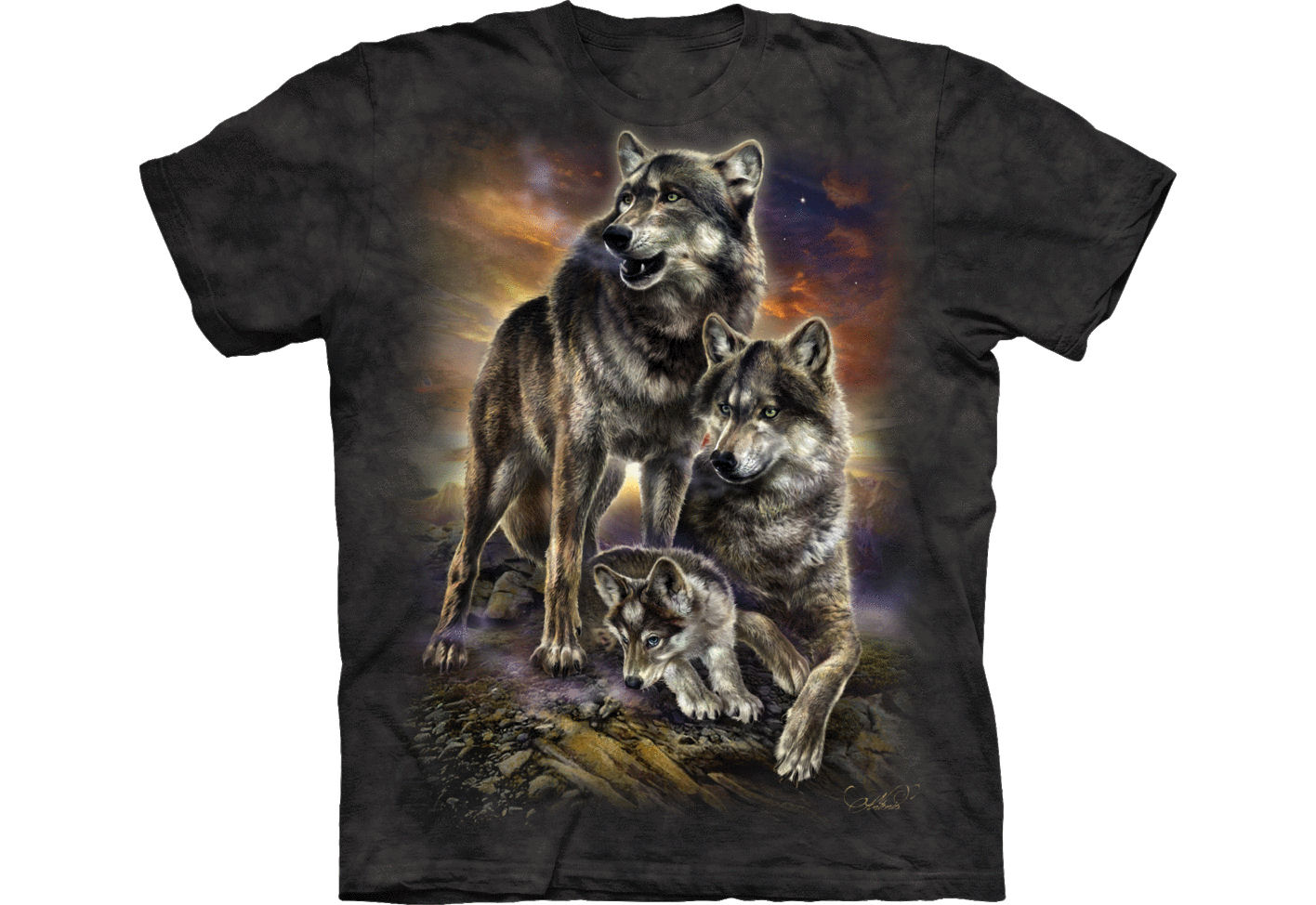
How Fast Can Wolves Run? The Speedy Secrets of the Wild
Wolves, those majestic and mysterious creatures of the wild, have long captivated our imaginations with their haunting howls and fierce independence. But beyond their enigmatic presence lies a fascinating question: How fast can wolves run? These agile predators are built for speed, capable of performing remarkable sprints and enduring long-distance chases that would leave most of us winded. In this piece, we will delve into the speedy secrets of the wolf run, exploring the physical prowess and innate abilities that make wolves such formidable hunters. So, lace up your metaphorical wolf t-shirt, and prepare to be amazed by the fleet-footed feats of these incredible animals.

The Speed of a Wolf Run
How Fast Can Wolves Run?
Wolves are built for speed and endurance. On average, wolves can reach speeds of up to 35-40 miles per hour during a sprint. These bursts of speed are typically short, lasting only a few seconds, but they are crucial during a hunt. When it comes to long-distance running, wolves are even more impressive. They can trot at a steady pace of around 5-6 miles per hour for several hours, covering distances of up to 60 miles in a single day. This combination of sprinting ability and long-distance stamina makes wolves exceptional hunters, capable of chasing down prey over vast terrains. Next time you see a wolf shirt or imagine yourself in a wolf t-shirt, remember that these creatures are not just symbols of wild beauty but also remarkable athletes of the animal kingdom.
The Anatomy of Speed
Wolves owe their impressive speed and endurance to a finely-tuned anatomy. Their legs are long and powerful, equipped with large paws that provide excellent traction on various terrains. These paws also have a unique structure, with webbing between the toes, allowing wolves to move swiftly through snow and mud. Additionally, wolves have a deep chest that houses a large heart and lungs, enabling efficient oxygen intake and circulation during high-speed chases. Their muscular build, particularly in the hind legs, provides the power needed for rapid acceleration and sustained running. Moreover, wolves have a flexible spine that acts like a spring, adding an extra thrust to each stride. All these anatomical features work in harmony, making the wolf run an extraordinary feat of natural engineering. So, whether you’re donning a wolf shirt or simply admiring these creatures from afar, it’s clear that wolves are built for speed and agility.
Wolves vs. Other Animals
When comparing wolves to other animals, their speed and endurance are particularly noteworthy. For instance, while the cheetah holds the title for the fastest land animal, capable of reaching speeds up to 70 miles per hour, it can only maintain this pace for about 20 seconds. Wolves, on the other hand, are built for the long game. Although they can’t match the cheetah’s top speed, their ability to sustain a steady pace over long distances gives them an edge in endurance. Compared to domestic dogs, wolves generally have greater stamina and speed, thanks to their wild ancestry and rigorous lifestyle. Even against other wild canids like coyotes and foxes, wolves stand out for their combination of speed and endurance. So, the next time you’re sporting a wolf t-shirt, remember that you’re celebrating an animal with a unique blend of speed and staying power that few others in the animal kingdom can match.
Factors Affecting Wolf Speed
Terrain and Environment
The speed of a wolf run can vary significantly based on the terrain and environment. In open fields or flat terrains, wolves can achieve their top speeds more easily, enabling them to sprint swiftly towards their prey. However, in rugged or forested areas, their speed may be hampered by obstacles such as trees, rocks, and uneven ground. Snowy environments, while challenging for many animals, are less of a hindrance for wolves due to their specially adapted paws. The webbing between their toes acts like snowshoes, allowing them to move efficiently through snow-covered landscapes. Additionally, wolves are well-adapted to colder climates, where their thick fur provides insulation without sacrificing agility. Conversely, in warmer climates, wolves might slow down to avoid overheating. All these factors illustrate how the environment plays a crucial role in the dynamics of a wolf’s speed and overall hunting efficiency. So, whether you’re rocking a wolf t-shirt or marveling at these creatures in the wild, remember that their speed is as much about their surroundings as it is about their anatomy.
Age and Health
The age and health of a wolf can significantly influence its speed and endurance. Young wolves, particularly pups, are still developing their muscles and coordination, so they can’t run as fast or as far as adult wolves. As they mature, their speed and stamina improve, peaking when they reach full physical maturity at around two to three years old. However, as wolves age, their speed may decline due to factors like arthritis, muscle deterioration, and general wear and tear. Health is another critical factor; a wolf suffering from injuries, malnutrition, or illness will not perform at its best. For instance, a wolf with a leg injury will struggle to keep up with the pack during hunts. On the other hand, a well-nourished, healthy wolf can maintain its peak speed and endurance for longer. Therefore, when considering the dynamics of a wolf run, age and health are essential components that determine how fast and far these majestic creatures can go.
Hunting and Survival
Hunting and survival are critical factors that influence the speed and endurance of wolves. During a hunt, wolves must rely on both their sprinting ability and their stamina to catch prey, which often involves a combination of short bursts of speed and long-distance chases. The success of a wolf run can determine the difference between a full belly and starvation, making speed a crucial survival trait. Wolves usually hunt in packs, using teamwork to tire out prey over long distances. This pack strategy allows them to take turns leading the chase, conserving energy and increasing their chances of a successful hunt. Additionally, wolves’ speed can help them evade potential threats from larger predators or hostile packs. Therefore, the necessity to hunt and survive in the wild directly impacts how fast wolves run, shaping their physical abilities to meet the demands of their environment. Whether you’re wearing a wolf t-shirt or studying these creatures, it’s clear that speed is integral to their way of life.
Fun Facts About Wolves
Myths and Misconceptions
Wolves have been the subject of many myths and misconceptions throughout history. One common myth is that wolves are bloodthirsty killers that pose a significant threat to humans. In reality, wolves are generally shy and avoid human contact whenever possible. Another misconception is that wolves howl at the moon. While wolves do howl, it is not directed at the moon but rather a means of communication within the pack or to signal their presence to other wolves. Additionally, some people believe that wolves can run endlessly without tiring. While wolves are indeed capable of impressive endurance, they do require rest and cannot sustain high speeds indefinitely. These myths often stem from folklore and misunderstandings about wolf behavior. By debunking these misconceptions, we can appreciate the true nature of wolves as intelligent, social animals. So next time you see a wolf shirt or hear a tale about wolves, remember that there’s more to these creatures than meets the eye.
Famous Wolves in Pop Culture
Wolves have left an indelible mark on pop culture, appearing in various books, movies, and TV shows. One of the most iconic wolves is the character of White Fang from Jack London’s novel, which portrays the journey of a wolf-dog navigating the wild and human society. In the realm of animated films, Balto, the hero of the 1995 movie, is based on a real-life sled dog who helped save children during a diphtheria outbreak in Alaska. Then there’s Ghost, Jon Snow’s loyal direwolf in the popular TV series “Game of Thrones,” embodying the strength and loyalty associated with wolves. Additionally, in video games, characters like Amaterasu from “Ōkami” captivate players with their wolf forms and mystical powers. These portrayals not only entertain but also shape our perceptions of wolves, highlighting their strength, loyalty, and mystique. So, whether you’re donning a wolf t-shirt or binge-watching your favorite shows, wolves continue to inspire and fascinate us.
Why You Need a Wolf T-Shirt
Wearing a wolf t-shirt is more than just a fashion statement; it’s a way to celebrate and connect with one of nature’s most fascinating creatures. Wolves embody qualities such as strength, loyalty, and resilience, traits that many people admire and aspire to. A wolf shirt can symbolize your appreciation for these majestic animals and your support for wildlife conservation efforts. Additionally, wolf t-shirts often feature stunning artwork that captures the beauty and mystique of wolves, making them visually appealing. They can also serve as conversation starters, allowing you to share your passion for wolves with others. Whether you’re hiking in the wilderness or just hanging out with friends, a wolf t-shirt can express your wild side and your love for nature. So, if you haven’t already, consider adding a wolf t-shirt to your wardrobe—it’s a simple yet powerful way to show your admiration for these incredible animals.

A Closer Look at Octopus Smarts
Dive into the World of Cephalopod Intelligence: A Closer Look at Octopus Smarts Forget everything you think you know about marine animal intelligence. Octopuses challenge nearly every idea about how smart sea creatures can be. When you ask how smart are octopuses, the answers come from surprising behaviors and problem-solving skills that rival some mammals. […]
Meet the Animals with the Best Memory
Surprising Animal Intelligence: Meet the Animals with the Best Memory Most people think elephants top the list for animals with best memory. But your mind will shift once you meet creatures whose recall beats even the giants. These surprising animal facts will change how you see memory in animals—and why some species never forget a […]
The Hidden Meanings Behind Tail Chasing
Dogs’ Mental Health: The Hidden Meanings Behind Tail Chasing You might laugh when your dog spins in circles chasing its tail, but that funny habit hides more than just playfulness. Tail chasing behavior can reveal surprising clues about your dog’s mental health and well-being. Understanding why dogs chase their tails helps you spot when this […]
Do Animals Grieve Like Us?
Exploring Animal Behavior: Do Animals Grieve Like Us? You’ve seen your pet act strangely after losing a companion—maybe they stopped eating or seemed withdrawn. These moments make you wonder: do animals grieve like we do? The truth behind animal emotions goes beyond simple instincts, revealing stories that touch the heart and surprising scientific findings. Let’s […]
Practical Advice for Preventing Birds Hitting Windows
Creating a Bird-Safe Home: Practical Advice for Preventing Birds Hitting Windows Birds hitting windows cause more harm than you might think. You watch a beautiful bird only to see it crash into your glass, leaving you wondering why it happened. This problem isn’t just about accidents—it’s about keeping your home safe for the birds outside. […]
A Comprehensive Animal Lifespan Guide
Common Pets Lifespans and Wild Animal Ages: A Comprehensive Animal Lifespan Guide Most pet owners guess their furry friends live as long as other pets they know. The truth about animal lifespan comparison often surprises even the biggest animal lovers. This guide breaks down common pets lifespans alongside wild animal ages so you can see […]
Normal Cat Sleep Patterns Explained
Understanding Your Cat: Normal Cat Sleep Patterns Explained Cats spend up to 16 hours a day snoozing, and that often leaves owners wondering why do cats sleep so much. It’s easy to worry when your furry friend seems glued to their bed all day. But those long naps actually follow normal cat sleep patterns that […]
Unraveling the Mystery of Dog Behavior and Attachment
Pet Owner Insights: Unraveling the Mystery of Dog Behavior and Attachment Most dog owners notice one thing right away: their dog never seems to want to be far from their side. This constant shadow isn’t just clinginess—it’s a window into your dog’s pack mentality and deep bond with you. Understanding why dogs follow you everywhere […]
Why Cats Knead and What It Means for You
Animal Behaviorists Explain: Why Cats Knead and What It Means for You Cats kneading blankets or your lap might seem like a simple, cute habit. But if you’ve ever wondered why your cat does this strange motion, you’re not alone. Animal behaviorists reveal that this action holds deeper meaning tied to your cat’s feelings and […]
Why Your Dog Licks You and What It Means
Veterinary Science Explains: Why Your Dog Licks You and What It Means Most dog owners notice licking but miss what it really means. Your dog’s tongue sends messages beyond just affection. Understanding why do dogs lick you reveals surprising reasons rooted in veterinary science. Read on to uncover seven clear explanations that shed light on […]
Read more interesting animal facts here
Follow us on Facebook and Twitter to receive 10% off your order!
Size Chart – Dropship – Contact Us – Track Order
Baby Onesies – Hoodies – Ladies Tee Shirts – Long Sleeve Shirts – Mini Dresses – Aquatic – Bears – Big Cats – Birds – Bison – Cats – Deer – Dinosaurs – Dogs – Dolphins – Dragons – Eagles – Elephants – Fairies – Farm Animals – Frogs – Giraffes – Horses – Lions – Moose – Native American Indians – Other – Outdoor – Patriotic – Peace – Primates – Reptiles – Scary – Tigers – Unicorns – Wolf – Hats