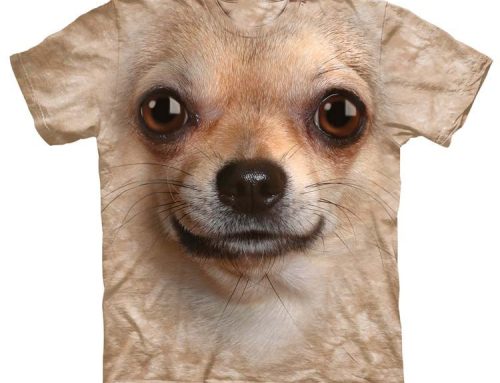
Understanding Dog Tail Wagging: What Your Pet’s Movements are Really Saying
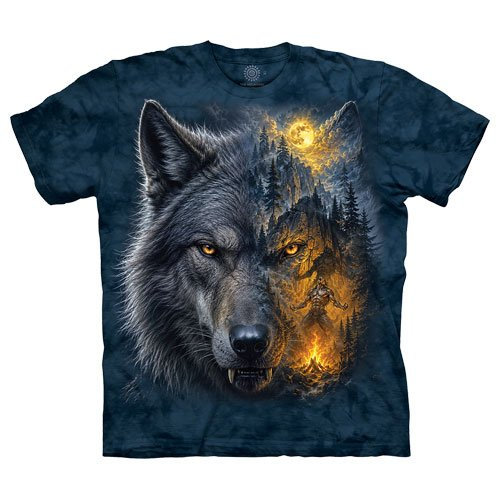
Most people think dog tail wagging means a happy pup. But your dog’s tail is speaking a much richer language—one that includes excitement, stress, and even warning signs. Understanding dog emotions starts with reading these subtle signals in canine body language. Let’s break down what your dog’s tail movements are really trying to tell you. For those who love animals, check out this Grey Wolf Forest Shirt.

YOU WILL LOVE ALL OUR BEAUTIFUL DOG SHIRTS!
The Basics of Dog Tail Wagging
Grasping dog tail wagging begins with a deeper look into canine body language. This section explores why understanding these movements is crucial for any dog owner.
Understanding Canine Body Language
Dogs communicate in various ways, but their tails are highly expressive tools. When a dog wags its tail, it’s not just a random act. This movement can signal their mood, intentions, and even physical well-being. By observing tail movements alongside other body cues, you get a fuller picture of what your dog is feeling.
Tail wagging is often accompanied by other body signals. For example, a wagging tail with relaxed ears and a soft expression usually indicates contentment. Conversely, a stiff tail with tense muscles might suggest unease. Paying attention to these combined signals helps you interpret your dog’s emotions more accurately.
Why Do Dogs Wag Their Tails?
Many assume tail wagging solely equals happiness, but it’s much more nuanced. Dogs wag their tails to express a range of emotions. From joy to anxiety, each wag tells a different story. Understanding these signals helps you respond appropriately to your dog’s needs.
Tail wagging can also be a social signal. Dogs use it to communicate with other dogs and people. For instance, a dog might wag its tail to show submission or to greet someone. Recognizing these social cues can enhance your interactions with your pet.
Emotional Signals Through Tail Wagging
Understanding your dog’s emotions through tail wagging can strengthen your bond. We delve into how different wag types reflect their feelings.
Excitement and Happiness
A happy dog often wags its tail in wide, sweeping motions. This type of wag usually means your dog is excited or pleased to see you. It’s a positive sign that your dog is content and ready to engage with you.
When your dog wags its tail rapidly in a relaxed body posture, it’s a clear indication of joy. This is the type of wag you might see when you return home after being away. It’s their way of expressing excitement and affection, reinforcing your bond.
Anxiety and Nervousness
A nervous dog may have a low, slow wag, often accompanied by a tucked tail. This can signal uncertainty or fear. Recognizing this wag allows you to address the situation and comfort your dog.
Often, dogs exhibit anxious tail wags in unfamiliar environments or when meeting new people. By noticing this subtle cue, you can help your dog feel more secure. Offering reassurance during these moments can ease their nerves.
Aggression and Warning Signs
Aggressive tail wagging is distinct, marked by quick, stiff motions. This is a warning sign indicating potential aggression or discomfort. Recognizing this type of wag can prevent unwanted confrontations.
Dogs may show aggressive wags when they feel threatened or protective. It’s crucial to respect their space in these instances. Understanding this signal helps you manage situations more effectively.
Contextual Importance in Tail Movements
Tail wagging doesn’t happen in a vacuum. The context of the wag is just as important as the movement itself. This section explores the significance of situational influences and how they affect your dog’s signals.
Situational Influences on Wags
A dog’s tail wag can vary depending on the setting. For example, a wag at the dog park might differ from one at home. Recognizing these differences helps you interpret the context of the wag.
In a familiar environment, your dog may exhibit relaxed wags. However, in a new setting, you might notice more cautious or varied tail movements. Observing these changes in different contexts provides insights into your dog’s comfort levels.
Tail Position and Speed
The position and speed of your dog’s tail wag are key indicators of their mood. A high, fast wag often means excitement, while a low, slow wag might indicate insecurity. Understanding these nuances enhances your ability to read your dog.
Wag speed can reflect emotional intensity. A rapid wag usually signals enthusiasm, while a slow wag can show apprehension. Paying attention to these details helps you respond appropriately to your dog’s emotional state.
Decoding Tail Wagging Meanings
Different dog breeds may have unique tail wagging styles. This section covers how breed-specific traits and common misconceptions affect tail interpretations.
Tail Wagging in Different Breeds
Some dog breeds have distinct tail wagging styles. For instance, a Greyhound’s wag might differ from a Shih Tzu’s due to tail shape and body structure. Understanding breed-specific traits aids in accurate interpretation.
Breed-specific wagging characteristics can influence how you perceive their emotions. Shorter tails might not show as much movement, making subtle cues even more important. Recognizing these differences helps you better understand your dog’s unique expressions.
Misinterpretations and Common Mistakes
Misreading tail wagging can lead to misunderstandings. Many assume all wags mean happiness, but this isn’t always true. Educating yourself on common mistakes ensures better communication with your dog.
Sometimes, owners misinterpret a wagging tail as an invitation to interact, when the dog may be anxious or aggressive. Being aware of these potential errors helps you avoid miscommunication and fosters a healthier relationship with your pet.
Enhancing Your Understanding of Dog Emotions
Understanding dog emotions deepens your connection with your pet. This final section highlights how to use tail wagging insights to build a stronger bond and encourage positive behavior.
Building a Stronger Bond with Your Dog
Learning to read your dog’s tail wags strengthens your relationship. By responding appropriately to their signals, you create a more harmonious living environment. This mutual understanding fosters trust and companionship.
When you accurately interpret your dog’s emotions, you can better meet their needs. This understanding enhances your bond, making your dog feel loved and secure. It’s a rewarding experience that benefits both you and your pet.
Promoting Positive Canine Behavior
Understanding tail wagging helps promote positive behavior. By recognizing your dog’s emotional cues, you can address issues early and encourage good habits. This proactive approach leads to a happier, well-adjusted pet.
When you respond to your dog’s emotional signals, you create an environment that supports positive behavior. This awareness helps prevent negative behaviors before they escalate, ensuring a peaceful home for you and your dog.
Frequently Asked Questions
What does it mean if my dog’s tail is wagging but they seem aggressive?
A wagging tail doesn’t always mean happiness. If your dog’s tail is wagging stiffly and they show other signs of aggression, it could be a warning. It’s important to read the whole body language in these situations.
Can all dogs wag their tails the same way?
Not all dogs wag their tails the same way. Breed and tail shape can affect how a tail wags. Some breeds with short or curly tails may have less visible wags, so observing other cues is key.
How can I tell if my dog’s tail wagging is a sign of anxiety?
An anxious tail wag is usually low and slow, often paired with other nervous behaviors. If your dog seems unsure or scared, this type of wagging might indicate anxiety.
Why do dogs tuck their tails when meeting new people?
A tucked tail can signal fear or submission. When meeting new people, a dog might tuck its tail as a way to show they are not a threat. It’s their way of saying they’re unsure and need reassurance.
What should I do if I misinterpret my dog’s tail signals?
If you realize you’ve misinterpreted your dog’s signals, take a step back and reassess the situation. Observing other body language cues can help correct misunderstandings and improve future communication with your pet.
YOU WILL LOVE ALL OUR BEAUTIFUL DOG SHIRTS!
Size Chart – Dropship – Contact Us – Track Order
Aquatic – Bears – Big Cats – Birds – Bison – Cats – Deer – Dinosaurs – Dogs – Dolphins – Dragons – Eagles – Elephants – Fairies – Farm Animals – Frogs – Giraffes – Horses – Lions – Moose – Native American Indians – Other – Outdoor – Patriotic – Peace – Primates – Reptiles – Scary – Tigers – Unicorns – Wolf

Understanding Dog Tail Wagging: What Your Pet’s Movements are Really Saying
Understanding Dog Tail Wagging: What Your Pet’s Movements are Really Saying Most people think dog tail wagging means a happy pup. But your dog’s tail is speaking a much richer language—one that includes excitement, stress, and even warning signs. Understanding dog emotions starts with reading these subtle signals in canine body language. Let’s break down […]

30 Fun Facts About Dogs That Will Leave You Barking for More
30 Fun Facts About Dogs That Will Leave You Barking for More Think you know all there is about dogs? Think again. These 30 amazing dog facts will challenge what you thought you knew about your furry friend’s sniffing skills, their secret ways of talking, and even why they stick by your side no matter […]

Why Do Dogs Bark? Unraveling the Secrets of Canine Communication
Why Do Dogs Bark? Unraveling the Secrets of Canine Communication Dogs bark for reasons you might not expect. If your furry friend’s noise sometimes feels like a mystery, you’re not alone. Understanding dog barks opens a window into their world, revealing signals of excitement, warning, or even stress. This post breaks down common dog barking […]

Understanding Dog Dreams: What Happens Inside Your Furry Friend’s Brain During Sleep
Understanding Dog Dreams: What Happens Inside Your Furry Friend’s Brain During Sleep When your dog starts twitching or softly barking in their sleep, have you ever wondered what’s going on inside their brain? Dogs cycle through canine sleep stages just like we do, and REM sleep in dogs is where the most vivid dreams happen. […]

Why Do Dogs Like Belly Rubs? Exploring the Psychology Behind This Adorable Behavior
Why Do Dogs Like Belly Rubs? Exploring the Psychology Behind This Adorable Behavior Most dog owners have watched their furry friend flop over for belly rubs and wondered what’s really behind that behavior. It’s more than just a cute trick—this gesture reveals layers of dog affection and trust that deepen your pet bonding. By understanding […]

Why Do Dogs Sleep So Much? Insights into Canine Rest and Behavior
Why Do Dogs Sleep So Much? Insights into Canine Rest and Behavior Dogs spend almost half their day asleep, which can leave you wondering why they need so much rest. Your furry friend’s sleep patterns differ a lot from yours, influenced by factors like age, breed, and activity. Understanding the importance of dog sleep can […]

Why Do Dogs Howl? Unraveling the Mysteries of Canine Communication
Why Do Dogs Howl? Unraveling the Mysteries of Canine Communication Dogs don’t just bark—they howl, and that sound can leave you wondering what’s really going on in your pet’s mind. Dog howling taps into deep instincts passed down from their wild ancestors, revealing emotions and messages you might miss. Understanding dog vocalizations can change how […]

Understanding the Gray Wolf and Beyond: A Look at Wolf Subspecies
Understanding the Gray Wolf and Beyond: A Look at Wolf Subspecies Forget everything you think you know about wolves. These creatures are far more diverse than just the gray wolf story you’ve heard a thousand times. You’re about to explore wolf species and subspecies that adapt to vastly different habitats and show surprising behaviors. Stick […]
Wolves in Art: Unraveling the Mystique of Nature’s Wild Beauty
Wolves in Art: Unraveling the Mystique of Nature’s Wild Beauty Wolves have inspired artists for centuries, yet their allure remains as strong as ever. You might wonder why these creatures keep showing up in wildlife art, capturing attention across cultures and styles. This post will guide you through the striking beauty and rich symbolism of […]
Wildlife T-Shirts: Show Your Love for Nature and Make a Difference in Style
Wildlife T-Shirts: Show Your Love for Nature and Make a Difference in Style Wearing wildlife t-shirts is more than picking a cool design. Your choice shows who you are and what you stand for—caring about nature and protecting animals. These animal shirts can spark real conversations about endangered species and connect you with others who […]
How Wolves Communicate: A Symphony of Howls and Body Language
How Wolves Communicate: A Symphony of Howls and Body Language Wolves don’t just howl for the thrill of it—they use sound and movement to keep their packs connected across miles. If you’ve ever wondered how wolves communicate beyond the eerie calls in the night, you’re about to find out. This post breaks down the signals […]
How to Choose the Perfect Wolf T-Shirt: A Guide for Wildlife Enthusiasts
How to Choose the Perfect Wolf T-Shirt: A Guide for Wildlife Enthusiasts Picking the right wolf shirts can feel overwhelming with so many styles and fabrics out there. You want a wolf t-shirt that shows your love for these wild animals without sacrificing comfort or style. This guide breaks down what matters most—from fit to […]